
Skin And Feather Issues In Pet Birds: 5 Prevention Tips
Comprehensive guide to recognizing, treating, and preventing common skin and feather problems in pet birds for healthier companions.
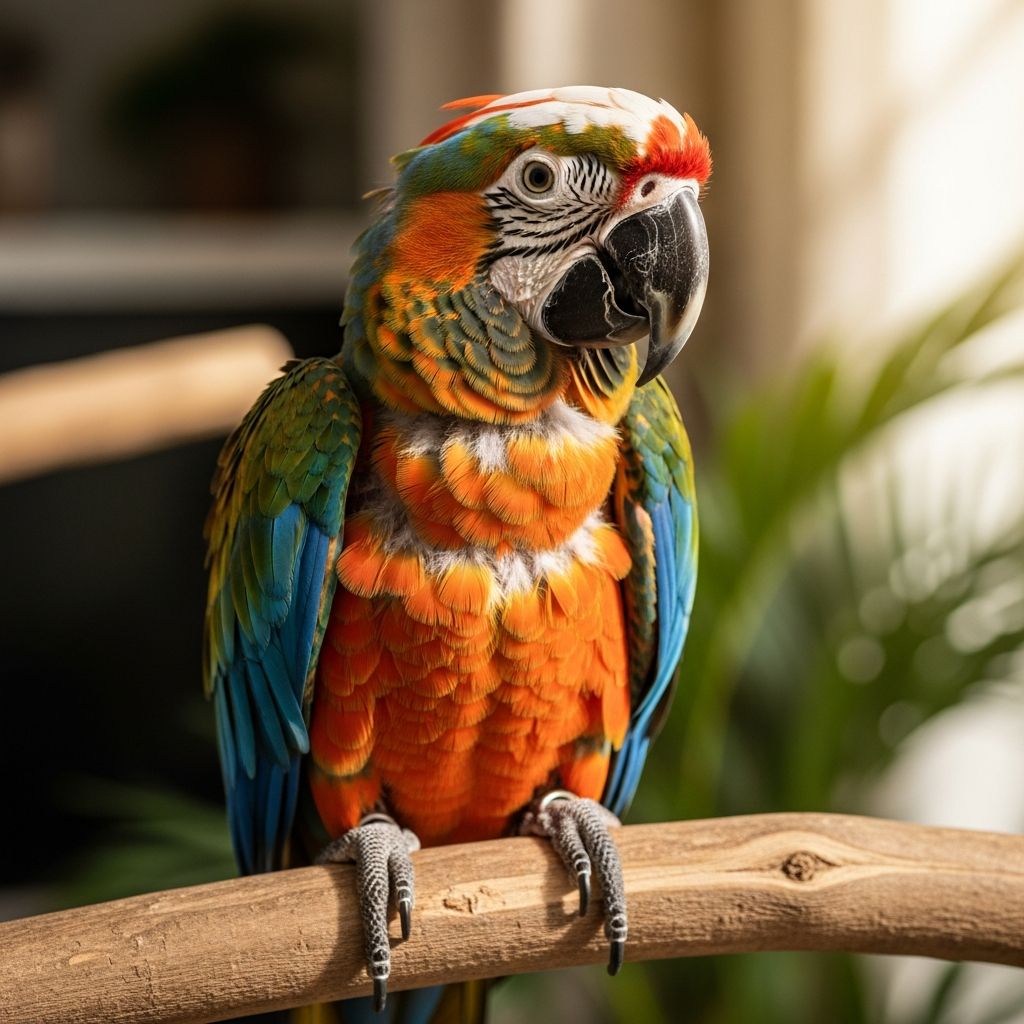
Pet birds often face challenges with their skin and feathers, which serve as vital protections against environmental hazards and infections. These issues can range from mild irritations to severe conditions threatening the bird’s well-being. Understanding the underlying causes—parasitic, infectious, nutritional, or behavioral—is crucial for timely intervention. This guide draws from veterinary insights to help bird owners identify problems early and implement effective care strategies.
Recognizing Abnormalities in Bird Skin and Feathers
Healthy bird skin is thin, flexible, and covered by tightly interlocking feathers that provide insulation and waterproofing. Feathers should lie flat and smooth, with vibrant colors and no bald spots. Deviations like patchy feather loss, scaly patches, swellings, or discolored growths signal potential disorders. Regularly inspect your bird’s body, focusing on areas like the head, legs, vent, and under wings, where issues often first appear. Early detection improves outcomes, as many conditions progress rapidly in small birds.
- **Feather Loss Patterns**: Symmetrical baldness suggests behavioral causes, while asymmetrical patches may indicate parasites or injuries.
- **Skin Changes**: Thickening, crusting, or redness points to infections or mites.
- **Behavioral Signs**: Excessive preening, scratching, or lethargy often accompanies discomfort.
Parasitic Infestations: Mites and Their Impact
Parasites top the list of skin problems in pet birds, with mites being the most prevalent. These tiny arachnids burrow into or feed on the skin, causing irritation, feather damage, and secondary infections. Common types include burrowing mites like Knemidocoptes, which create hyperkeratotic (thickened) lesions, and surface-dwelling ones like Dermanyssus that provoke intense itching.
Burrowing mites primarily affect budgerigars, canaries, and finches, leading to crusty buildup on ceres, legs, and faces—earning the name “scaly leg mite.” Affected birds may struggle to perch or eat due to overgrown nails and distorted beaks. Non-burrowing mites infest cages at night, biting birds and even owners, resulting in dermatitis with feather ruffling and restlessness. Diagnosis involves microscopic skin scrapings by a veterinarian. Treatment centers on ivermectin sprays or injections, combined with thorough cage disinfection using heat or approved pesticides. Repeat treatments every 10-14 days ensure eradication, as eggs survive initial applications. Prevention requires quarantining new birds and regular environmental cleaning.
Bacterial and Fungal Skin Conditions
Bacterial infections often stem from poor hygiene or injuries, manifesting as pododermatitis (bumblefoot) in larger species like parrots and cockatoos. This painful foot pad inflammation shows as swelling, ulcers, and pus, exacerbated by unsanitary perches or obesity. Staphylococcus and Streptococcus bacteria thrive in moist environments, leading to lameness if untreated.
Fungal issues, including dermatophytes and yeasts like Candida or Malassezia, produce scaly, crusty skin and feather loss around the beak, eyes, or vent. These opportunists flourish in humid, unclean cages, causing ringworm-like lesions or white plaques in the crop area. Veterinary care includes debridement, antibiotic topicals (e.g., enrofloxacin), or systemic antifungals, alongside perch redesign for better hygiene.
| Condition | Common Signs | Treatment Approach | Prevention Tips |
|---|---|---|---|
| Bumblefoot | Foot swelling, scabs, lameness | Surgery if advanced; antibiotics | Soft perches, weight control |
| Fungal Dermatitis | Crusts, patchy alopecia | Antifungals, dry environment | UV lighting, ventilation |
Viral Threats to Feathers and Skin
Viral diseases pose significant risks, often incurable but manageable. Psittacine Beak and Feather Disease (PBFD), caused by a circovirus, devastates Australian and African parrots like cockatoos, lovebirds, and budgies. It attacks feather follicles and beak tissues, producing malformed, brittle feathers, symmetric loss, and powdery beak overgrowth. Immunosuppression follows, inviting opportunistic infections. Transmission occurs via feather dust, feces, or direct contact; young birds succumb quickest.
Fowl pox (avipoxvirus) creates wart-like proliferations on unfeathered skin, especially in poultry and canaries, with a respiratory form causing diphtheric membranes. Polyomavirus similarly deforms feathers in budgies, linking to chronic discoloration and shedding. No cures exist for PBFD; focus on supportive nutrition, hygiene, and isolation. Vaccines mitigate pox in flocks. PCR testing confirms diagnoses.
Behavioral Feather Destructive Disorders
Feather damaging behavior (FDB), including plucking, chewing, or barbering, affects up to 20% of captive parrots. While behavioral—triggered by boredom, stress, mate aggression, or poor husbandry—medical differentials like allergies, Giardia, or liver disease must be excluded first. Cockatiels often show vent plucking from Giardia; African Greys from zinc toxicity.
Environmental fixes include larger cages, foraging toys, 12-hour dark cycles, and misting baths. Pharmacologic aids like antidepressants or hormone blockers address severe cases post-medical clearance. Nutritional tweaks, avoiding high-fat seeds, curb related issues.
Nutritional and Structural Abnormalities
Dietary imbalances foster conditions like xanthomatosis, where yellow-orange lipid deposits form tumors on wings or breasts, linked to excessive seed/fat intake. Feather cysts, common in canaries and macaws, trap developing feathers in follicles, causing odorous lumps needing surgical excision. Brown hypertrophy thickens the female budgerigar’s cere hormonally, sometimes tumor-induced.
Balanced pelleted diets with 10-15% fat prevent these. Calcium/vitamin A deficiencies dull feathers; excesses provoke cysts. Genetic polyfolliculitis clusters feathers abnormally, possibly viral.
Diagnosis and Veterinary Interventions
Avian vets employ biopsies, cultures, bloodwork, and imaging for precise diagnoses. Endoscopy reveals internal contributors to FDB. Treatments span topicals, systemics, and surgeries like follicle ablation for cysts. Prognoses vary: mites resolve fully; PBFD shortens life.
Prevention Strategies for Optimal Bird Health
Proactive care minimizes risks:
- Quarantine newcomers 30-45 days.
- Clean cages weekly with bird-safe disinfectants.
- Provide varied diets, UVB exposure, and mental stimulation.
- Schedule bi-annual vet exams with fecal/PCR screens.
- Avoid overcrowding to curb aggression.
Monitor for subtle changes; prompt action preserves feathers and vitality.
Frequently Asked Questions (FAQs)
Why is my budgie losing feathers around its face?
Often scaly mites; vet scrapings confirm. Treat with ivermectin.
Can humans catch bird skin mites?
Yes, Dermanyssus bites humans; treat environment aggressively.
Is feather plucking always behavioral?
No; rule out medical causes first via diagnostics.
How do I prevent PBFD in my flock?
Test birds, sanitize thoroughly, avoid feather dust inhalation.
What diet reduces xanthoma risk?
Low-fat pellets over seeds; supplement veggies.
References
- Common feather and skin conditions in pet birds explained — Pets4Homes. 2023. https://www.pets4homes.co.uk/pet-advice/keeping-birds-common-conditions-of-the-feathers-and-skin.html
- Common Skin Infections in Birds: A Vet’s 2025 Guide — AskAVet. 2025-01-15. https://askavet.com/blogs/news/common-skin-infections-in-birds-a-vet-s-2025-guide-%F0%9F%90%A4
- Common Bird Feather Diseases — PetCircle. 2024. https://www.petcircle.com.au/discover/bird-feather-disease
- Beak and Feather Disease of Psittacine Birds — Anima-Plus. 2023. https://www.anima-plus.com/en-ca/guides/exotic-animals/beak-feather-disease-birds
- Feather Problems in Birds — VCA Animal Hospitals. 2024-06-01. https://vcahospitals.com/know-your-pet/feather-problems-in-birds
Similar Articles








Read full bio of medha deb


