

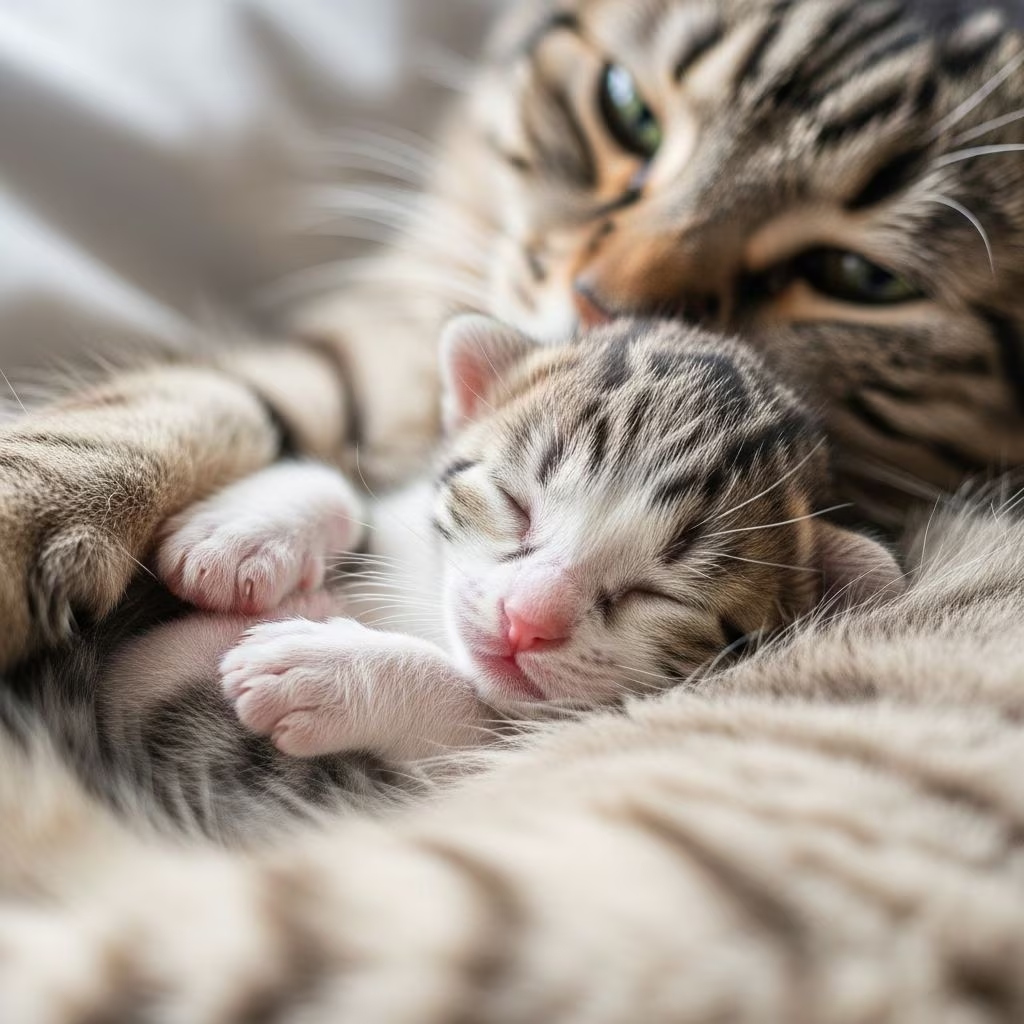
Cats typically produce litters ranging from three to five kittens, but occasionally, a queen delivers just one. This phenomenon, while not always alarming, can stem from benign biological variations or signal underlying issues needing veterinary evaluation. Understanding the factors influencing litter size helps owners provide optimal support during pregnancy and birth.
Biological Foundations of Feline Reproduction
Female cats, known as queens, experience induced ovulation triggered by mating, releasing multiple eggs over several days. This mechanism supports larger litters, yet outcomes vary widely. Superfecundation—mating with multiple toms—can diversify genetics within a litter, but single births often reflect other dynamics like fetal resorption or genetic limits.
Progesterone plays a critical role in maintaining pregnancy. Studies show that disruptions in progesterone levels, such as hypoluteoidism, contribute to pregnancy loss. In queens ovariectomized mid-gestation, supplemental progesterone sustains the pregnancy, highlighting hormonal dependencies.
Common Explanations for a Singleton Litter
Several factors explain why a cat might birth only one kitten. These range from natural processes to health challenges.
- Embryonic Resorption: Early in pregnancy, fetuses may fail to develop due to trauma, infections, nutritional deficiencies, or developmental anomalies. The uterus reabsorbs these, leaving fewer—or one—viable kitten. This often occurs unnoticed before the second trimester.
- Genetic Influences: Some cats are predisposed to smaller litters due to chromosomal variations. If previous litters were small, this trait may persist, independent of owner intervention.
- First-Time Mothers: Novice queens frequently have reduced litter sizes, possibly as an adaptive mechanism to ease initial parenting demands. Research lacks definitive proof, but anecdotal evidence supports moderate likelihood.
- Maternal Age Effects: Older queens (over six years) may experience declining fertility, though studies show only moderate correlations with litter size reduction. Sample sizes limit conclusive data, placing this at lower likelihood.
Ongoing Labor: Not the End Yet?
A key consideration is whether birth has concluded. Feline labor involves stages where kittens arrive intermittently, spaced 15-60 minutes apart. Interrupted labor, triggered by stress or environmental changes, pauses delivery. Queens may groom, nurse, eat, or rest normally during breaks, resuming within 24-36 hours.
Distinguish this from dystocia (difficult birth), where prolonged straining indicates obstruction, such as oversized kittens or malpositioning. Monitor closely to intervene timely.
| Normal Interrupted Labor | Dystocia Warning Signs |
|---|---|
| Queen active, eating, nursing first kitten | Straining >20 min without delivery |
| Resumes within 24-36 hours | >2 hours between kittens |
| No distress or fever | Visible kitten stuck >10 min |
| Lethargy, fever >103°F (39.4°C) | |
| Bleeding >10 min or foul discharge | |
| Pregnancy >67 days post-mating |
Health Risks Impacting Litter Size
Infections and systemic conditions pose significant threats. Viral diseases like Feline Immunodeficiency Virus (FIV) reduce litter sizes and viability; infected queens averaged 2.7 kittens versus 3.8 in controls, with higher non-viable rates. Bacterial cases, such as Salmonella from raw diets, link to dystocia and stillbirths.
Non-infectious causes include chromosomal errors, poor nutrition, or embryotoxic substances. Environmental contaminants or improper feeding exacerbate losses.
Breeding Dynamics and Superfecundation
Cats’ reproductive strategy favors genetic diversity. Queens in heat mate repeatedly, often with multiple partners, leading to superfecundation where littermates share different sires. This boosts hybrid vigor but doesn’t prevent single-kitten outcomes if other factors dominate.
Urban environments increase superfecundation frequency due to tom proximity, while controlled breeding minimizes it. DNA testing confirms paternity, aiding selective programs.
Owner Responsibilities During Pregnancy
Prepare by providing a quiet nesting area, balanced diet rich in taurine and omega-3s, and routine vet checkups. Ultrasound around day 30 confirms litter count and viability. Track gestation: 63-67 days average.
- High-quality kitten food from week 4 of pregnancy.
- Worming and flea prevention as advised.
- Avoid toxins, stress, and unsupervised outdoor access.
When to Seek Veterinary Help
Act immediately on red flags: excessive bleeding, malodorous discharge, depression, or prolonged straining. Post-birth, ensure all placentas expel (one per kitten) to prevent metritis. Monitor queen’s mammary health and kitten vitality.
Vets may recommend oxytocin for uterine contraction or C-section for dystocia. Early intervention saves lives.
Post-Birth Care for Singleton Kittens
Single kittens thrive with attentive care. Queens produce ample milk, but supplement if needed via bottle-feeding kitten formula. Weigh daily: 4g/day gain ideal. Keep warm (85-90°F first week), stimulate urination/defecation manually until day 14.
Socialization matters; introduce safe playmates or human interaction early to prevent behavioral issues from isolation.
Preventing Future Small Litters
Spay non-breeding cats to curb overpopulation—one unneutered female’s descendants reach hundreds yearly. For breeders, select young, healthy queens with proven records. Genetic screening identifies carriers of defects.
FAQs on Single Kitten Deliveries
Is a single kitten birth dangerous?
Not inherently, but monitor for complications like retained placentas or incomplete labor.
Can stress cause fetal loss?
Yes, stress induces interrupted labor or resorption via cortisol spikes.
How do I know if more kittens are coming?
Observe for renewed contractions within 36 hours; consult vet if absent.
Does breed affect litter size?
Yes, smaller breeds like Persians average fewer kittens.
Should I supplement a singleton?
Usually unnecessary, but check weight gain and milk production.
References
- 6 Vet-Approved Reasons Why Your Cat Had Only One Kitten — Hepper. 2023. https://articles.hepper.com/why-did-my-cat-only-have-one-kitten/
- Clinical management of pregnancy in cats — PMC – PubMed Central. 2020-03-15. https://pmc.ncbi.nlm.nih.gov/articles/PMC7103129/
- Superfecundation Cats: When Kittens in One Litter Have Different Fathers — WoPet. 2023. https://wopet.com/cats/superfecundation-cats/
- Pregnant cats, birth and care of young kittens — Cats Protection. 2018. https://www.cats.org.uk/media/1029/eg18_pregnant_cats-_birth_and_care_of_young_kittens.pdf



