

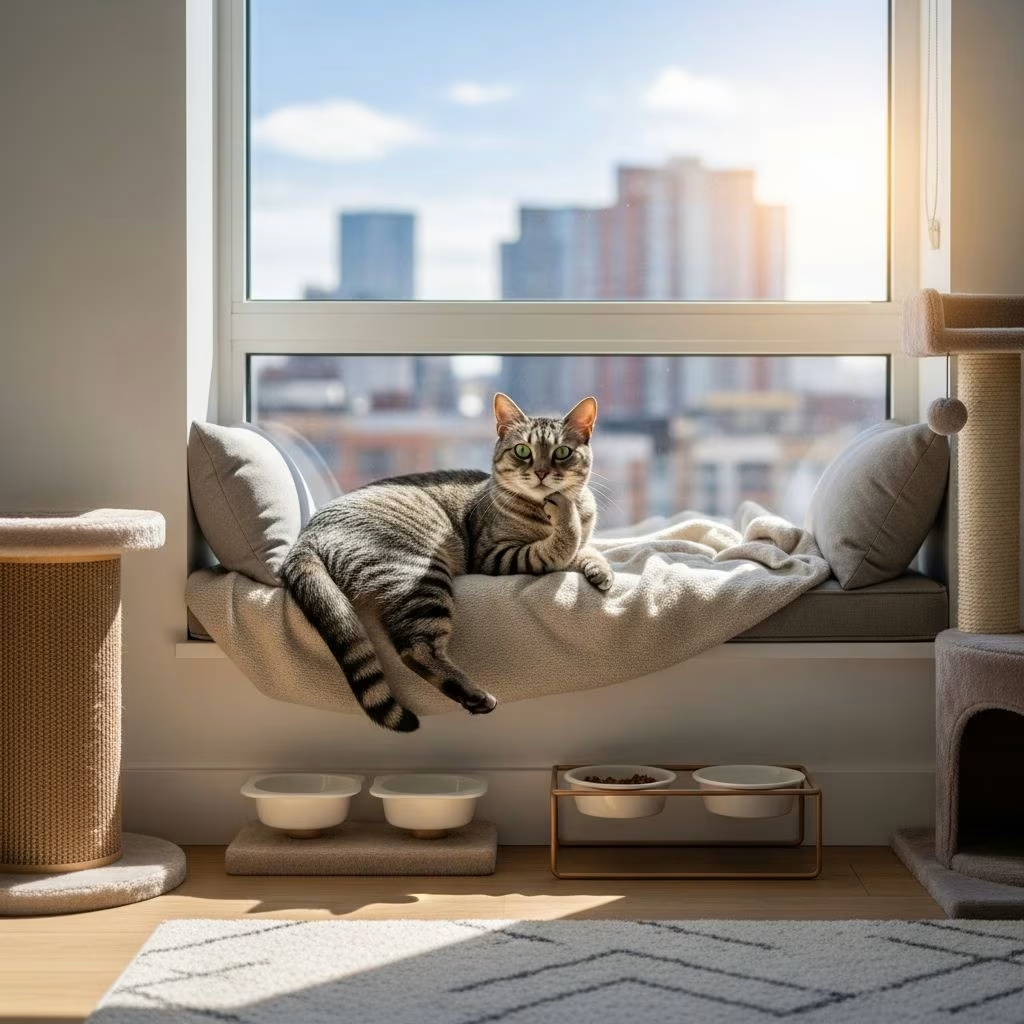
The question of whether a cat can live a fulfilling life as the sole feline in a household is one that many pet owners grapple with. In an era where multi-pet households are celebrated and companionship is often praised as beneficial, single-cat owners may wonder if they’re inadvertently depriving their beloved companion. The reality, however, is more nuanced and encouraging than popular belief might suggest. A solitary cat can absolutely thrive when provided with appropriate environmental enrichment, consistent human interaction, and an understanding of feline behavioral needs.
Understanding Feline Social Nature and Independence
Cats possess a unique position in the animal kingdom regarding socialization. Unlike dogs, which evolved as pack animals with deeply ingrained hierarchical social structures, cats descended from solitary hunters. This fundamental difference in evolutionary background shapes how cats approach social interaction and companionship. While this independence is a defining characteristic of the species, it does not mean cats are antisocial or incapable of forming bonds.
The key distinction lies in recognizing that cats are inherently independent animals that do not require the constant social stimulation that pack animals need. However, independence does not equate to emotional isolation. Many cats form strong attachments to their human companions and can develop meaningful relationships with other cats when properly introduced and given compatible personalities.
The Reality of Single-Cat Households
Millions of households worldwide maintain happy, healthy single cats without any apparent detriment to feline well-being. These cats live fulfilling lives by receiving adequate mental stimulation, daily human interaction, and enriched environments. The widespread prevalence of successfully thriving single cats across diverse living situations demonstrates that solitary living arrangements are neither inherently cruel nor necessarily suboptimal for feline welfare.
What matters most is not whether a cat shares its living space with another feline, but rather whether the cat receives sufficient cognitive engagement, physical activity opportunities, and affectionate attention from its human caretaker. When these fundamental needs are met, a single cat can experience complete contentment and psychological well-being.
Essential Elements for Single Cat Wellbeing
Owners of solo cats should focus on creating an environment that addresses the specific physical, behavioral, and psychological requirements of feline companions. Unlike multi-cat households, where cats benefit from natural play partners and social engagement, single-cat owners must intentionally design their living spaces and daily routines to prevent boredom and behavioral complications.
Environmental Enrichment Fundamentals
Enrichment encompasses far more than simply providing toys. A comprehensive enrichment strategy includes:
- Vertical spaces such as cat trees, shelves, and wall-mounted perches that allow climbing and surveying behavior
- Interactive toys that engage hunting instincts, including wand toys, puzzle feeders, and motion-activated toys
- Window access providing visual stimulation and bird-watching opportunities
- Rotating toy selection to maintain novelty and sustained interest
- Textured surfaces and scratching posts addressing natural marking and maintenance behaviors
- Hiding spaces and enclosed areas providing security and retreat options
- Access to varied environments, including safe outdoor spaces when possible
The quality and variety of environmental stimulation directly impact a cat’s mental health and behavioral development. Cats left without adequate cognitive engagement often develop behavioral issues stemming from understimulation rather than inherent psychological deficits.
Daily Human Interaction and Bonding
Single cats depend entirely on their human companions for social engagement and interactive play. Dedicated daily interaction serves multiple purposes: it strengthens the human-animal bond, provides essential exercise, and prevents the development of stress-related behavioral problems. Owners should establish consistent play sessions using interactive toys that mimic natural prey movements, allowing the cat to express hunting behaviors in appropriate contexts.
Beyond playtime, simple daily interactions like grooming sessions, gentle petting, and verbal communication contribute to a cat’s emotional well-being and sense of security within the home.
Behavioral Considerations for Solo Cats
Behavioral issues sometimes attributed to a cat’s solitary status often stem from insufficient environmental enrichment or inadequate human attention rather than genuine loneliness. Common behavioral problems in single cats include excessive vocalization, destructive scratching, inappropriate elimination, and aggression toward humans. These behaviors typically indicate boredom, frustration, or unmet environmental needs rather than fundamental incompatibility with a solitary lifestyle.
When single cats exhibit behavioral problems, the solution frequently involves increasing environmental complexity, adjusting play routines, and ensuring the cat’s physical and cognitive needs receive adequate attention. In many cases, addressing these root causes resolves behavioral issues without requiring adoption of a second cat.
Advantages of the Single-Cat Living Arrangement
While multi-cat households offer certain benefits, single-cat arrangements provide distinct advantages that appeal to many owners and suit many feline personalities:
Individualized Attention and Resources
Single cats receive undivided attention from their human companions. This focused relationship often results in deeper bonds and more personalized care. There are no resource competition issues, no need to mediate territorial disputes, and no concerns about one cat’s dietary needs conflicting with another’s. The owner can optimize feeding schedules, medication administration, and veterinary care specifically for that individual cat’s requirements.
Simplified Household Management
Managing a single cat’s litter box, feeding, and general care requires less daily effort than maintaining multiple cats. While some sources suggest that two cats are only slightly more expensive than one, this assertion overlooks the cumulative costs of doubled veterinary expenses, separate food quantities, and additional litter supplies.
Reduced Behavioral Complications
Introducing cats can result in territorial aggression, disruption of established routines, and prolonged adjustment periods. Some cats experience lasting stress from cohabitation attempts, even when initial introductions proceed carefully. Single cats avoid these potential complications entirely, maintaining stable, stress-free environments that some felines genuinely prefer.
When a Second Cat Might Be Beneficial
While single-cat living is entirely viable, certain situations may warrant considering a second cat. Young, highly social cats that display obvious interest in feline companionship may benefit from a properly introduced companion. Cats displaying signs of separation anxiety when left alone for extended periods sometimes improve with feline companionship that provides comfort during the owner’s absence.
When considering adding a second cat, age and temperament matching become critical. Kittens typically adapt more readily to cohabitation than established adult cats, and matching energy levels and play styles increases compatibility. Additionally, simultaneous adoption of cats already bonded—such as littermates—dramatically improves adjustment outcomes compared to introducing unrelated adults.
Practical Care Guidelines for Single Cats
Owners committed to providing optimal care for solo cats should implement the following practices:
- Establish consistent daily play sessions lasting 15–30 minutes using interactive toys
- Provide climbing structures and perching opportunities addressing natural behavioral needs
- Rotate toys regularly to maintain novelty and sustained engagement
- Ensure window access for visual enrichment and natural light exposure
- Maintain regular veterinary check-ups and preventive health care
- Provide hiding spaces and enclosed areas where the cat can retreat safely
- Use puzzle feeders and food-dispensing toys to add cognitive challenge to feeding time
- Consider safe outdoor access or enclosed catios to provide environmental variety
- Monitor behavioral changes that might indicate health concerns or unmet needs
- Maintain consistent routines providing predictability and security
Health and Longevity Considerations
Research suggests that mental stimulation and engagement contribute to longevity and overall health outcomes in cats. Whether a cat receives this stimulation from interactions with other cats or from environmental enrichment and human companionship appears secondary to the fact that appropriate stimulation exists. Single cats who receive consistent mental and physical engagement maintain physical fitness, cognitive sharpness, and emotional balance throughout their lives.
Preventive veterinary care becomes even more critical for single cats, as the owner serves as the sole observer of health changes and behavioral shifts. Regular monitoring and prompt veterinary attention when concerns arise help maintain optimal health across the lifespan.
Debunking Common Myths About Solo Cat Living
Several persistent misconceptions about single cats deserve clarification. The belief that cats universally suffer from loneliness in solitary arrangements lacks scientific support. Some cats genuinely prefer solo living and experience stress when forced into cohabitation scenarios. The assumption that owning two cats requires only minimally more effort than one cat significantly underestimates the additional responsibility, expense, and potential behavioral management involved.
Additionally, the notion that adding a second cat automatically resolves behavioral problems in a struggling first cat can prove counterproductive. Introducing a new cat when the original cat is already stressed or exhibiting behavioral issues may exacerbate problems rather than resolve them.
Making the Decision: Single Versus Multiple Cats
The choice between keeping a single cat and expanding to a multi-cat household should reflect the specific circumstances of the owner, the cat’s personality and preferences, and realistic capacity for meeting enrichment needs. Factors to consider include available living space, time commitment for interactive play, financial resources for veterinary care and supplies, and honest assessment of the particular cat’s social preferences.
A cat displaying obvious contentment with its current situation, engaging with available enrichment, and maintaining stable behavior has no pressing need for a feline companion. Conversely, a cat showing persistent signs of underutilization and boredom might genuinely benefit from either enhanced environmental enrichment or, if appropriate for that individual’s personality, a carefully selected companion.
Frequently Asked Questions About Single Cat Care
Is it cruel to keep a cat alone?
No. Keeping a single cat is not cruel when that cat receives adequate environmental enrichment, daily interactive attention, and veterinary care. Millions of single cats live happy, healthy lives without feline companions.
How much daily interaction does a single cat need?
Most cats benefit from at least 15–30 minutes of interactive play daily, supplemented by regular casual interaction like petting and verbal communication throughout the day.
What if my cat seems lonely?
Before assuming loneliness, evaluate whether environmental enrichment is adequate. Increase interactive play, add climbing structures, provide window access, and use puzzle toys. These interventions often resolve apparent loneliness more effectively than adding another cat.
Are two cats only slightly more expensive than one?
No. Two cats require doubled veterinary expenses, increased food costs, additional litter supplies, and potentially more frequent household maintenance. The financial difference between one and two cats is significant.
Can I add a second cat later if my single cat seems unhappy?
Possibly, but introduction should proceed very carefully and gradually. Adult cats accustomed to solo living may experience stress during adjustment. Successful introductions depend on careful matching of temperaments and patient implementation of gradual habituation protocols.
References
- One Cat or More: Benefits and Challenges of a Multi-Cat Home — Momtastic. https://www.momtastic.com/home/pets/173475-one-cat-or-more-benefits-and-challenges-of-a-multi-cat-home/
- Is It Ok to Have Just One Cat? Vet-Verified Facts & Care Tips — Catster. https://www.catster.com/cat-health-care/is-it-ok-to-have-just-one-cat/
- Why Two Cats Are Better Than One: A Guide for Potential Cat Owners — Town Cats. https://www.towncats.org/why-two-cats-are-better-than-one-a-guide-for-potential-cat-owners/
- Should You Get One or Two Cats? — Dial A Vet. https://www.dialavet.com/blog/should-you-get-one-or-two-cats
- 6 Reasons You Should Get A Second Cat (And 2 You Shouldn’t) — Cats.com. https://cats.com/getting-a-second-cat



