

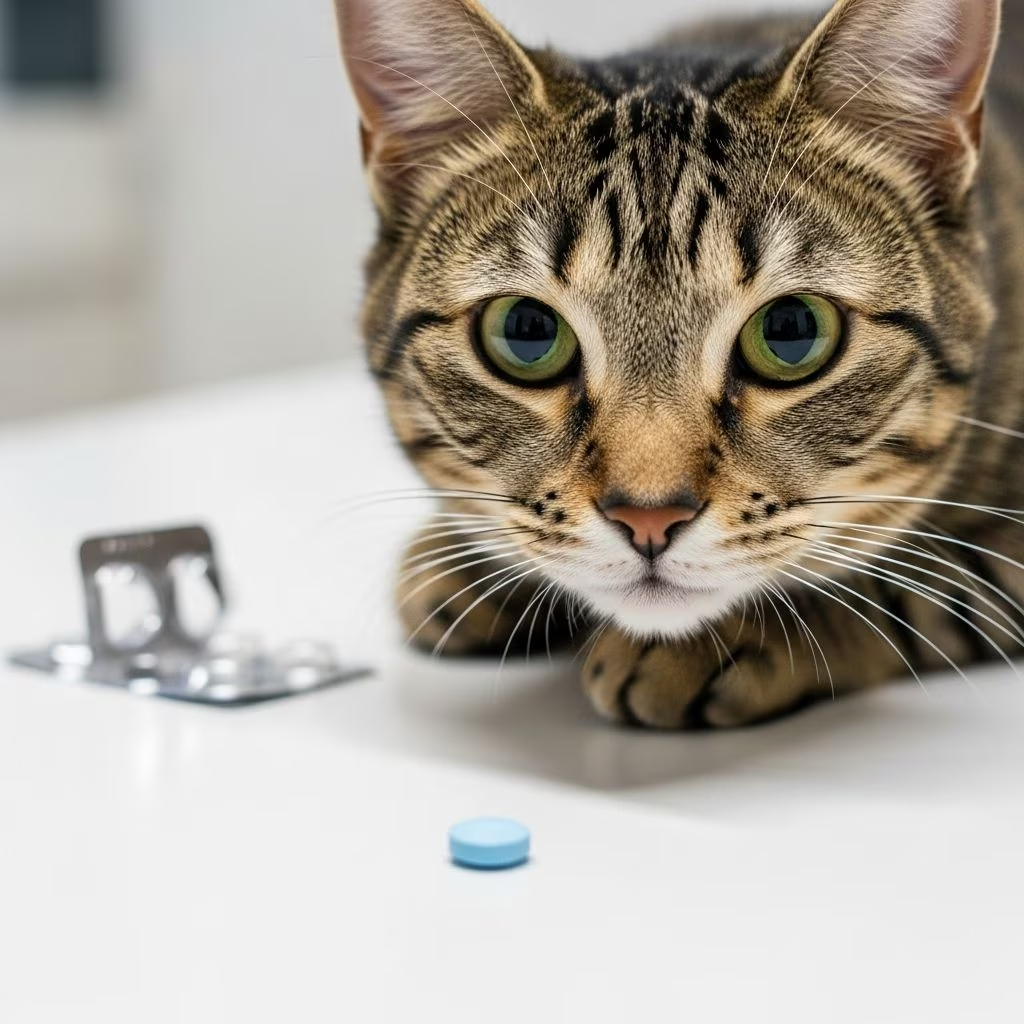
Simplicef, known generically as cefpodoxime proxetil, serves as a vital antibiotic for managing various bacterial infections in cats. This third-generation cephalosporin targets a broad spectrum of bacteria, making it suitable for conditions like skin infections, urinary tract issues, and respiratory problems when prescribed by a veterinarian.
Understanding Simplicef’s Role in Feline Medicine
Cats frequently encounter bacterial challenges from wounds, abscesses, or internal infections. Simplicef disrupts bacterial cell wall formation, leading to bacterial death and infection clearance. It proves effective against pathogens such as Staphylococcus intermedius, Staphylococcus aureus, Streptococcus canis, Escherichia coli, Pasteurella multocida, and Proteus mirabilis.
Veterinarians select Simplicef for its once-daily dosing convenience and broad efficacy, particularly when first-line antibiotics fall short against resistant strains.
Common Conditions Treated with Simplicef in Cats
- Skin Infections (Pyoderma): Addresses superficial and deep bacterial skin issues, including those from scratches or bites.
- Urinary Tract Infections (UTIs): Targets E. coli and Proteus mirabilis, common culprits in feline UTIs.
- Respiratory Infections: Useful for upper respiratory issues caused by susceptible bacteria like Pasteurella.
- Wounds and Abscesses: Promotes healing in bite wounds or lacerations by eliminating secondary invaders.
- Ear Infections (Otitis): Applied for bacterial otitis media or interna.
While primarily FDA-approved for canine skin infections, extra-label use in cats is standard under veterinary guidance.
Proper Dosage Guidelines for Feline Patients
Dosing varies by infection severity and cat weight. Standard protocols include:
| Species | Condition | Dose | Frequency | Duration |
|---|---|---|---|---|
| Cats | UTIs, skin, respiratory, otitis | 5 mg/kg | Every 12 hours | 5-7 days or until cleared |
| Cats | Same conditions | 10 mg/kg | Every 24 hours | 5-7 days or until cleared |
Administer orally as tablets or suspension, with or without food. For upset stomachs, pair with a small meal. Always complete the full course to prevent resistance, even if symptoms improve.
Administering Simplicef Safely at Home
Shake liquid forms well before use. Tablets can be hidden in treats or pill pockets. Monitor for immediate reactions post-dose. Storage requires room temperature, away from light and moisture.
- Measure liquid precisely with a syringe.
- Observe for 30 minutes after giving for vomiting.
- Track doses in a log to ensure compliance.
Potential Side Effects and Monitoring
Simplicef is well-tolerated, with side effects in under 2% of cases. Common issues include:
- Vomiting or diarrhea shortly after dosing.
- Decreased appetite, especially in cats—prompt veterinary contact if prolonged, risking hepatic lipidosis.
- Lethargy or loose stools.
- Rare allergic reactions: hives, facial swelling, difficulty breathing—seek emergency care.
Cats may notice a urine-like odor from cephalosporins, which is normal.
Precautions and Contraindications
Avoid in cats with known cephalosporin or penicillin allergies due to cross-reactivity risks.
- Use caution in kidney-impaired, geriatric, pregnant, or lactating cats—safety unestablished.
- Not for rabbits, rodents, or other small mammals.
- Drug interactions possible with antacids or other antibiotics—inform your vet of all medications.
Benefits That Make Simplicef a Preferred Choice
Key advantages include rapid action (within 2 hours), daily dosing, broad-spectrum coverage, and low side effect profile. It outperforms some antibiotics against gram-negative bacteria.
When to Consult Your Veterinarian
Seek professional advice before starting, for symptom changes, or side effects. Pre-treatment exams and cultures ensure appropriate use, curbing resistance.
Frequently Asked Questions (FAQs)
Can Simplicef be used for viral infections in cats?
No, it targets bacteria only, ineffective against viruses, fungi, or parasites.
How long does it take for Simplicef to work in cats?
Improvement often seen in 2-3 days; full course required.
Is Simplicef safe for kittens?
Use under vet supervision; dosing adjusted for age and weight.
What if my cat vomits after a dose?
Do not redose that tablet; contact vet for guidance.
Can I give Simplicef with food?
Yes, recommended if stomach upset occurs.
Preventing Bacterial Infections in Cats
Complement treatment with hygiene, vaccinations, flea control, and prompt wound care to minimize recurrence risks.
References
- Pet Medication 101: Simplicef — FirstVet. 2023. https://firstvet.com/us/articles/pet-medication-101-simplicef
- Cefpodoxime [Companion] – OSU VMC Antimicrobial Use Guidelines — Ohio State University. 2024. https://ohiostate.pressbooks.pub/osuvmcabxuse/chapter/abx_cefpodoxime-companion/
- Cefpodoxime Proxetil (Simplicef®) for Dogs and Cats — PetPlace.com. 2023. https://www.petplace.com/article/drug-library/drug-library/library/cefpodoxime-proxetil-simplicef-for-dogs-and-cats
- Treating Your Cat or Dog – Using Cefpodoxime — Wisconsin Department of Health Services. 2024-04. https://www.dhs.wisconsin.gov/publications/p03601l.pdf
- Cefpodoxime for Dogs and Cats — WebMD Pets. 2024. https://www.webmd.com/pets/pet-meds/cefpodoxime-for-dogs-and-cats
- Cefpodoxime — Sirius Veterinary Orthopedic Center. 2023. https://siriusvet.com/storage/app/media/Cefpodoxime.pdf
- Cefpodoxime — VCA Animal Hospitals. 2024. https://vcahospitals.com/know-your-pet/cefpodoxime



