

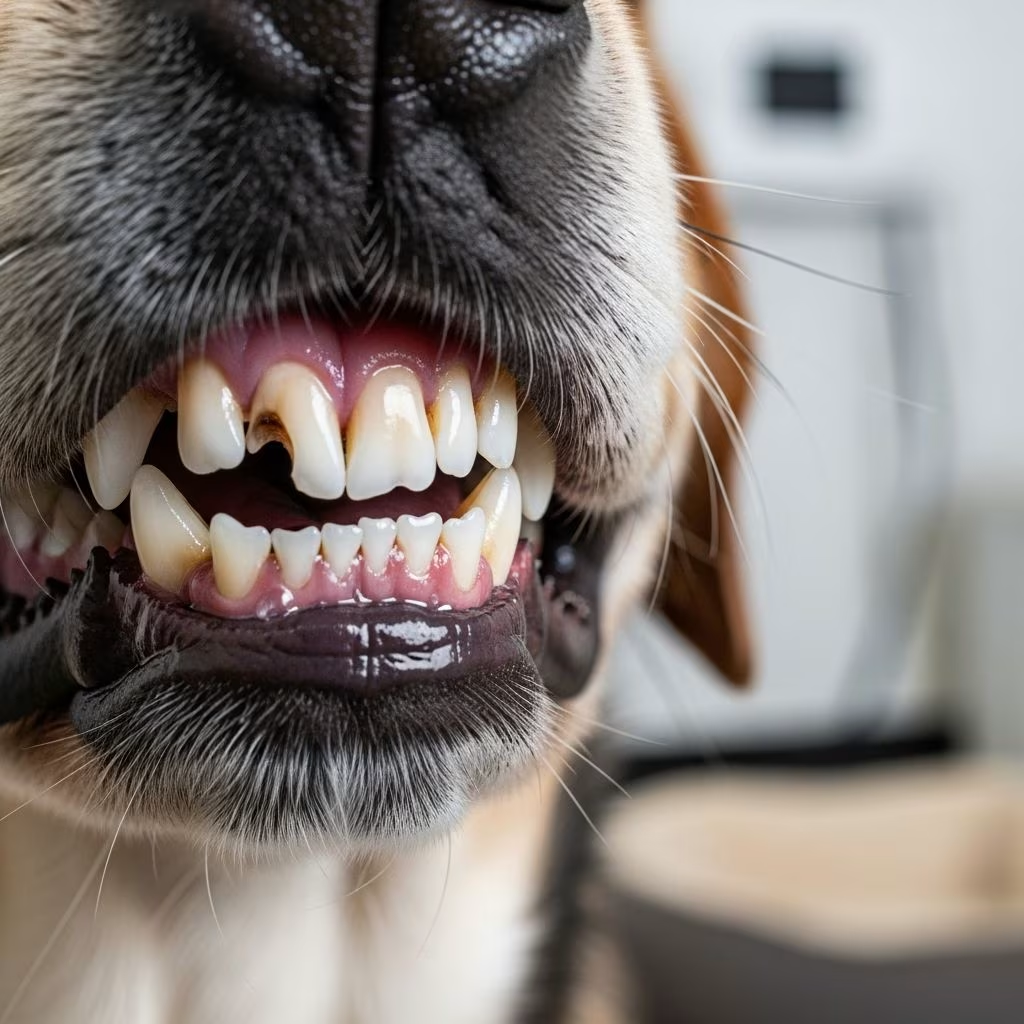
Simple tooth breaks, or uncomplicated dental fractures, occur when a pet’s tooth cracks without exposing the inner pulp or nerve. These injuries are common in active dogs and cats that chew on hard objects, leading to potential pain if untreated. Early detection allows for effective management to restore normal function and prevent complications.
Common Causes Behind Pet Tooth Fractures
Tooth fractures in pets often result from everyday behaviors amplified by their natural tendencies to explore with their mouths. Dogs, in particular, are prone due to their habit of gnawing on bones, rocks, or toys, while cats may suffer from falls or fights. Understanding these triggers helps owners mitigate risks.
- Chewing hazards: Hard items like antlers, nylon toys, or ice cubes exert excessive force on teeth, causing cracks.
- Trauma from play: Roughhousing or retrieving sticks can lead to direct impacts on the mouth.
- Accidental injuries: Slips, car accidents, or bites from other animals contribute to breaks.
- Breed predispositions: Breeds with long snouts, such as Labradors or German Shepherds, have elongated canines vulnerable to fractures.
Preventive awareness of these causes empowers pet owners to supervise playtime and select safer chew options, reducing fracture incidence significantly.
Spotting the Signs of a Tooth Fracture
Pets mask pain well, making tooth fractures hard to notice initially. Watch for subtle behavioral shifts that signal oral discomfort, especially after rough play or new chews.
| Symptom | Description | Why It Happens |
|---|---|---|
| One-sided chewing | Dog favors one side of the mouth while eating | Pain avoidance on fractured side |
| Excessive drooling | Increased saliva, sometimes bloody | Irritation or minor bleeding from crack |
| Pawing at mouth | Frequent rubbing or licking face | Attempt to soothe discomfort |
| Appetite drop | Refusal of hard kibble or treats | Pain during mastication |
| Facial swelling | Mild puffiness around jaw | Early inflammation response |
These indicators warrant a vet visit. Discolored teeth or bad breath may also appear if the fracture progresses.
Types of Uncomplicated Dental Fractures
Not all tooth breaks are equal. Uncomplicated ones involve enamel-only damage or superficial dentin exposure without pulp involvement, distinguishing them from complex cases needing urgent intervention.
- Enamel infraction: Hairline crack in outer layer, often painless initially.
- Uncomplicated crown fracture: Break through enamel and dentin but stops short of pulp chamber.
- Root fractures: Rarer in simple cases, occurring below gumline; require imaging for detection.
Canine teeth and upper premolars (carnassial teeth) are most affected due to their size and usage in gripping.
Diagnosis Process for Pet Tooth Injuries
Veterinarians use a systematic approach to confirm fractures. Sedation enables safe oral exams and imaging.
- Visual and physical exam: Probing teeth for cracks, mobility, or sensitivity.
- Dental radiographs: X-rays reveal root involvement or bone changes invisible externally.
- Advanced imaging: CT scans for complex root assessments if needed.
Full-mouth series under anesthesia ensures no hidden issues, guiding precise treatment plans.
Treatment Options for Simple Fractures
Treatment prioritizes pain relief and tooth preservation. For uncomplicated cases, options range from conservative repairs to advanced procedures.
Non-Invasive Repairs
Minor enamel cracks may heal with bonding—sealing the fracture with composite resin to prevent progression.
Preservation Therapies
- Vital pulp therapy: Ideal for young pets (<18 months) with recent breaks. Removes inflamed pulp layer, applies medicament for healing.
- Root canal therapy: Removes infected pulp, cleans canal, fills to seal. Preferred for vital teeth like canines to maintain jaw strength.
Post-root canal, metal crowns reinforce the tooth against refacture.
Extraction When Necessary
For unrestorable teeth, surgical extraction under anesthesia eliminates pain sources. Large teeth require sectioning, akin to human wisdom tooth removal.
Supportive care includes antibiotics for infection risk and analgesics for comfort.
Recovery and Home Care After Treatment
Post-procedure, pets bounce back quickly with proper management, typically within days to weeks.
- Feed soft diets (canned food, soaked kibble) for 2-4 weeks.
- Administer prescribed pain meds and antibiotics fully.
- Avoid hard chews; monitor for swelling or discharge.
- Schedule follow-up for radiographs to confirm healing.
Gentle brushing with pet toothpaste maintains hygiene around treated areas.
Preventing Future Tooth Fractures
Proactive steps safeguard pet dentition long-term.
- Provide dental chews rated safe by Veterinary Oral Health Council (VOHC).
- Regular professional cleanings under anesthesia.
- Train to avoid rocks, sticks; supervise play.
- Annual dental exams catch wear early.
Breeds prone to fractures benefit from custom prevention plans.
Cost Considerations and Insurance Benefits
Treatments vary: bonding ($200-500), root canals ($800-1500), extractions ($300-800) per tooth, plus anesthesia/imaging. Pet insurance often covers 70-90%, offsetting expenses for dental work deemed medically necessary.
FAQs on Pet Tooth Fractures
Can a fractured tooth heal on its own?
No, untreated fractures worsen, exposing pulp to bacteria and abscesses.
Is root canal better than extraction for dogs?
Yes, for healthy teeth, it preserves structure and function.
How long does recovery take?
Most pets eat normally in 1-2 weeks; full strength in months.
Do cats get tooth fractures too?
Yes, though less common than dogs, from trauma or resorption issues.
When to see a veterinary dentist?
For complex cases or root canals, specialists offer superior outcomes.
References
- Fractured Teeth in Dogs: Signs, Symptoms, Treatment — Miller Clark Animal Hospital. 2023-12-30. https://www.millerclarkanimalhospital.com/site/blog/2023/12/30/fractured-teeth-dogs
- Fractured Teeth in Dogs: Symptoms, Treatment, & Prevention — Vet Dentist WI. N/A. https://vetdentistwi.com/fractured-teeth-in-dogs-symptoms-treatment-prevention/
- Fractured Teeth in Dogs — Animal Clinic of Benicia. 2024-07-15. https://www.animalclinicofbenicia.com/site/blog/2024/07/15/fractured-teeth-dogs
- Understanding Fractured Tooth Treatment for Dogs and Cats — Animal Dental Specialists. N/A. https://animaldentalspecialists.com/understanding-fractured-tooth-treatment-for-dogs-and-cats/
- Risks from a Fractured Tooth — Cornell University College of Veterinary Medicine. N/A. https://www.vet.cornell.edu/departments-centers-and-institutes/riney-canine-health-center/canine-health-information/risks-fractured-tooth
- Diagnosis and Treatment of Fractured Teeth — Today’s Veterinary Practice. N/A. https://todaysveterinarypractice.com/dentistry/diagnosis-and-treatment-of-fractured-teeth/
- Broken or Fractured Pet Teeth — Veterinary Dental Specialties. N/A. https://www.vdspets.com/brokenfracturedteeth/



