

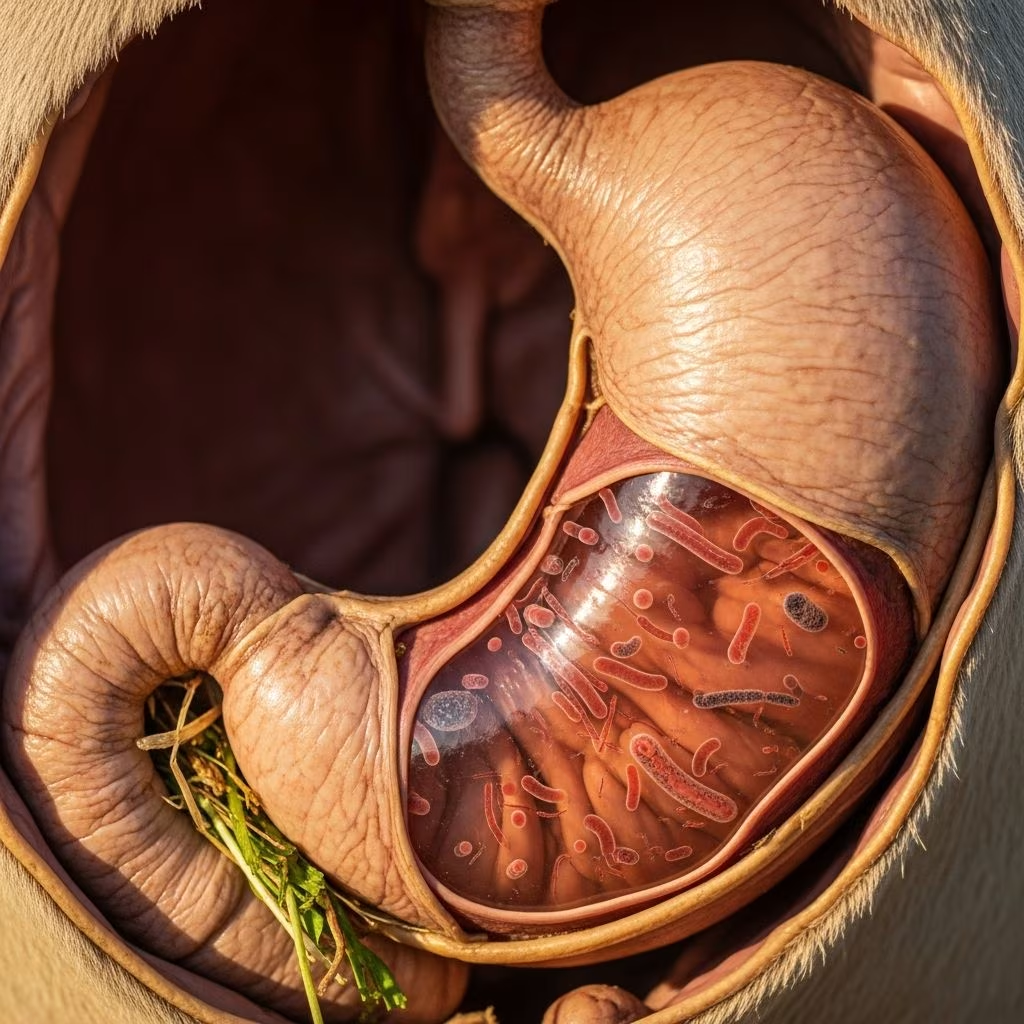
Simple indigestion represents a prevalent yet manageable disturbance in the digestive processes of ruminants such as cattle, sheep, and goats. This condition arises primarily from disruptions in the delicate microbial ecosystem of the rumen, the largest forestomach compartment responsible for fermenting fibrous feeds. Unlike more severe disorders like grain overload or hardware disease, simple indigestion often resolves with minimal intervention, provided prompt recognition and correction of underlying dietary imbalances occur. Ruminants rely on a symbiotic relationship with rumen microbes to break down complex carbohydrates into volatile fatty acids, the primary energy source. Any abrupt alteration in feed composition or intake volume can shift rumen pH, impair microbial activity, and lead to clinical signs of discomfort.
Key Mechanisms Behind Rumen Disruption
The rumen maintains an optimal pH range of 6.0 to 7.0 through a balance of fermentation acids and saliva buffers. Simple indigestion typically stems from two opposing pH shifts: acidosis from rapid carbohydrate fermentation or alkalosis from hypomotility and protein putrefaction. Excessive grain ingestion floods the rumen with starches, which ferment quickly into lactic acid, dropping pH below 6 and suppressing protozoa and bacteria essential for fiber digestion. Conversely, reduced rumen contractions from stress, vagal nerve issues, or indigestible roughage buildup allow proteins to decompose anaerobically, elevating pH above 7 and producing foul odors.
Environmental and management factors exacerbate these imbalances. Sudden diet transitions, such as from hay to lush pasture or silage overload, overwhelm microbial adaptation capacity. Heat stress, overcrowding leading to feed sorting, or moldy forage introduce toxins that inhibit motility. In dairy operations, fresh cows post-calving face heightened risk due to metabolic demands and erratic intake. These triggers often affect herds simultaneously, underscoring the nutritional origin.
Recognizing Clinical Manifestations
Early detection hinges on observing subtle behavioral and physiological changes. Affected animals exhibit diminished appetite, preferring to stand idly rather than graze or consume hay. Mild depression manifests as dull eyes and reluctance to move, accompanied by cessation of rumination—the hallmark cyclic chewing process.
- Rumen motility decline: Auscultation reveals contractions reduced from normal 1-2 per minute to infrequent, low-amplitude waves.
- Abdominal distension: The left flank bulges with a doughy consistency, sometimes with mild tympany from gas entrapment.
- Fecal alterations: Initially dry and scant, feces transition to soft, voluminous, malodorous output after 24 hours.
- Systemic signs: Minimal fever, heart rate elevation, or dehydration unless progression to complications like laminitis occurs.
In sheep and goats, signs mirror cattle but may include more pronounced dehydration due to smaller rumen capacity. Severely affected individuals risk recumbency, anuria, and metabolic acidosis, signaling urgent intervention.
Diagnostic Approaches for Confirmation
Diagnosis relies on history, herd patterns, and ruminal fluid evaluation to rule out differentials like abomasal displacement or toxicosis. Key historical clues include recent feed changes affecting multiple animals without infectious spread.
Ruminal fluid analysis: Collected via oral stomach tube, fluid assessment includes:
| Parameter | Normal Range | Abnormal in Indigestion |
|---|---|---|
| pH | 6.0-7.0 | <6 (acidosis) or >7 (alkalosis) |
| Protozoa | Abundant, motile | Reduced number/size |
| Methylene Blue Reduction | <5 min | Prolonged (>10 min) |
| Odor/Sediment | Fermented, flaky | Foul, sandy/grainy |
These markers confirm microbial dysfunction. Ultrasonography or radiography may exclude foreign bodies, while bloodwork detects dehydration or acidosis in advanced cases.
Management Strategies and Supportive Care
Most cases self-resolve upon dietary normalization, emphasizing prevention through gradual feed introductions and consistent rations.
Conservative Interventions
- Provide high-quality palatable hay to stimulate motility and restore flora.
- Administer warm saline (20L for adults) via stomach tube, followed by left flank kneading to promote contractions.
- Epsom salts (0.5-1kg/cow) as mild laxative for roughage impaction.
Targeted pH Correction
For documented acidosis (pH<6), oral magnesium hydroxide neutralizes excess acid without systemic risks if confirmed low. Alkalotic cases from urea excess benefit from oral vinegar (acetic acid) to acidify. Avoid indiscriminate rumenatorics like nux vomica, as evidence lacks support.
Advanced Therapeutic Procedures
Grain overload or refractory cases demand aggressive rumen emptying.
- Rumenotomy: Surgical access via left paralumbar fossa for complete evacuation, preferred in standing animals to prevent aspiration.
- Rumen lavage: Repeated warm water infusions (15-20 cycles) via large-bore tube until clear effluent.
Post-evacuation, inoculate with 10-20L fresh rumen fluid from healthy fistulated donors—a proven transfaunation method repopulating microbes, especially post-surgery or in fresh cows.
Fluid and Electrolyte Therapy
Severe dehydration and acidosis require IV support:
- Initial: 5% sodium bicarbonate (5L/450kg IV over 30min) for acidosis correction.
- Follow-up: Balanced electrolytes or 1.3% bicarbonate in saline (up to 60L/450kg over 6-12hr) to restore renal function.
- Procaine penicillin G (22,000 IU/kg IM daily) prevents secondary infections.
Monitor for diuresis, normalized heart rate, rumen sounds, and soft feces passage as positive indicators.
Prognostic Factors and Complications
Prognosis excels in mild cases (spontaneous recovery >90%), but recumbency or anuria halves survival odds without aggressive care. Acute laminitis affects mildly ill animals; chronic forms emerge later. Mortality peaks 24-72 hours in untreated acidosis.
Preventive Measures for Herd Health
Mitigate risks via:
- Gradual diet transitions over 7-10 days.
- Buffer rations with sodium bicarbonate during high-grain phases.
- Ensure adequate bunk space to prevent sorting/slug feeding.
- Monitor heat stress and provide unlimited water.
- Fistulate sentinel animals for on-farm transfaunation readiness.
Frequently Asked Questions (FAQs)
What triggers simple indigestion most commonly?
Abrupt dietary shifts, especially excess grains or indigestible forage, disrupting rumen pH and motility.
Is rumen transfaunation always necessary?
No, reserved for severe or post-surgical cases; mild indigestion often resolves with hay and fluids.
How long until recovery?
24-72 hours with supportive care; monitor feces and rumen activity.
Can sheep and goats get it?
Yes, similar presentation but faster dehydration due to smaller rumens.
Prevent antibiotics in treatment?
Penicillin indicated only in severe cases for infection prophylaxis.
References
- Simple Indigestion in Ruminants — Ankara University. 2023. https://acikders.ankara.edu.tr/mod/resource/view.php?id=95556
- Simple Indigestion PPT — MJF Veterinary College. 2024-05-27. https://elibrary.mjfveterinarycollege.org/public/images/ppt/1716802293.11.%20simple_indigestion.pdf
- Grain Overload in Ruminants — MSD Veterinary Manual. 2023. https://www.msdvetmanual.com/digestive-system/diseases-of-the-ruminant-forestomach/grain-overload-in-ruminants
- Treating Dairy Cow Indigestion with Rumen Transfaunation — AgProud. 2023. https://www.agproud.com/articles/20931-treating-dairy-cow-indigestion-with-rumen-transfaunation
- Simple Indigestion in Cattle — Egyptian Health Council. 2024. https://lms.ehc.gov.eg/lms/mod/book/view.php?id=708&chapterid=4778



