

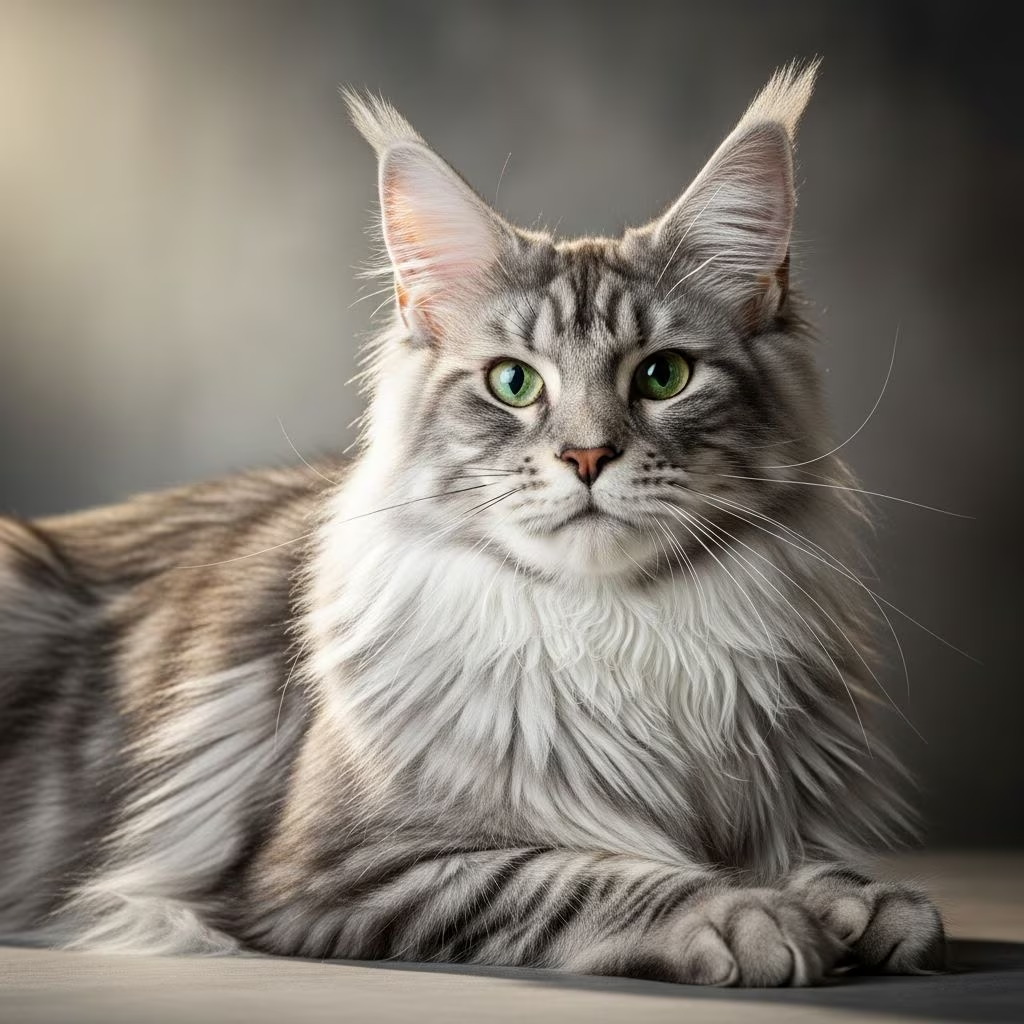
The Silver Maine Coon is a breathtaking variation of the iconic Maine Coon breed, renowned for its massive size, luxurious silver-tipped fur, and warm, sociable personality. Often called the “gentle giant,” this cat combines regal poise with down-to-earth affection, making it an exceptional choice for families seeking a devoted companion. Unlike typical gray cats caused by dilution, the silver hue comes from a unique genetic factor that creates a sparkling effect, setting Silver Maine Coons apart in beauty and charm.
Breed Overview
| Attribute | Details |
|---|---|
| Height | 30–40 inches (including tail) |
| Weight | 10–25+ pounds (males larger than females) |
| Lifespan | 9–15 years with proper care |
| Colors | Silver variations including smoke, shaded, chinchilla; base colors like brown, black, blue, with silver tipping |
| Suitable For | Active families with children, multi-pet homes, those wanting a large, interactive housecat |
| Temperament | Loyal, loving, intelligent, dog-like, excellent mouser |
Silver Maine Coons inherit the robust build of their Maine Coon ancestors, adapted for harsh New England winters. Their bodies are muscular and broad-chested, with large, tufted paws perfect for snowy terrains and hunting. The coat is semi-long, shaggy, and water-resistant, featuring a distinctive ruff around the neck and fluffy britches on the hind legs. This breed’s commanding presence belies a friendly demeanor; they enter rooms like feline royalty but quickly reveal their loving, playful nature.
Silver Maine Coon History
The Maine Coon breed originated in the 19th century along the northeastern U.S. coast, particularly Maine, where they earned fame as skilled mousers on farms and ships. Legends suggest their ancestry includes long-haired cats brought by sailors or even raccoons—hence the “Coon” name—though genetics confirm European origins like the Norwegian Forest Cat or British Angora influences. Silver Maine Coons emerged through selective breeding, emphasizing the silver gene (inhibitor locus, or ‘I’ gene) that suppresses red/yellow pigments (pheomelanin) while allowing black pigments (eumelanin) to shine through with white undercoats.
Recognized by major registries like The Cat Fanciers’ Association (CFA) and The International Cat Association (TICA), Silver Maine Coons compete in silver tabby, shaded, smoke, and chinchilla classes. Their development prioritized not just aesthetics but functionality: a rugged coat for cold climates and a balanced, amiable disposition for family life. Today, they remain one of America’s most popular breeds, celebrated for blending wild beauty with domestic gentleness.
Temperament & Intelligence of the Silver Maine Coon
Silver Maine Coons mirror the classic Maine Coon temperament: sweet, gentle giants who adore their families without being overly clingy. They prefer staying in sight—perched nearby rather than lap-sitting constantly—offering companionship on their terms. Highly social, they thrive in active households, getting along splendidly with children, dogs, and other cats. Their clownish antics and dog-like traits, such as playing fetch and following owners room-to-room, make them endlessly entertaining.
Intelligence is a hallmark; these cats excel at puzzle toys, learning tricks, and even leash training. They’re vocal communicators, producing chirps, trills, and melodic “singing” sounds unique to the breed, rather than incessant meowing. As former working cats, they’re superb mousers, using their large paws and keen senses to hunt instinctively. Despite their size, they’re not vertically agile like some breeds, preferring ground chases and interactive play.
Male vs. Female
Physical differences are subtle: males typically weigh 18–25+ pounds and stand taller, while females range 10–18 pounds. Temperamentally, males often embody goofy jesters—bold, outgoing party-starters who demand attention with playful antics. Females are equally affectionate but more reserved, seeking interaction subtly through quiet nudges or nearby lounging. Both bond deeply for life, showing loyalty akin to dogs.
Appearance & Grooming of the Silver Maine Coon
The Silver Maine Coon’s allure lies in its silver genetics. The inhibitor gene creates three main types:
- Smoke: Solid silver with a white undercoat visible when fur parts, giving a smoky base.
- Chinchilla: Wide white banding on hairs, resulting in a sparkling silver tip effect.
- Shaded: Intermediate banding, with darker silver shading down the sides and back.
Patterns include silver tabby (mackerel or classic), patched tabby, or calico variations. Eyes are large, expressive ovals in green, gold, or copper, often outlined in black or blue. The head is wedge-shaped with high cheekbones, tufted ears (medium-large, up to 8 inches), and a long, bushy tail wider at the base.
Grooming is low-maintenance despite the coat: weekly combing prevents mats, especially around the ruff and britches. Their fur’s natural oils repel water and dirt, drying quickly after baths (which they often enjoy). Brush teeth regularly, trim nails monthly, and clean ears weekly. They’re fastidious self-groomers but appreciate help during heavy sheds twice yearly.
Training Your Silver Maine Coon
Highly trainable due to intelligence, Silver Maine Coons respond to positive reinforcement. Start early with litter training, leash walking, and basic commands like “sit” or “fetch.” Use clickers and treats for tricks; many master high-fives, rolling over, or even jumping through hoops. Interactive toys like feather wands or treat puzzles keep their minds sharp, preventing boredom-induced mischief. Socialize kittens widely to ensure confidence around strangers and pets.
Exercise & Diet for the Silver Maine Coon
These large cats need daily exercise: 30–60 minutes of play mimicking hunts, like chasing balls or laser pointers. Vertical spaces (cat trees) and horizontal runs suit their build. Provide scratching posts to maintain claw health and furniture peace.
Diet-wise, feed high-protein, grain-free kibble or wet food portioned for weight (up to 4 cups dry daily for adults, split meals). Fresh water is essential; many play in fountains. Avoid obesity with measured portions and kitten formulas until 1–2 years old, as they mature slowly.
Silver Maine Coon Health & Wellness
Average lifespan is 12–15 years, but vigilance is key. Common issues include:
- HCM (Hypertrophic Cardiomyopathy): Genetic heart thickening; screen via echoes.
- PKD (Polycystic Kidney Disease): Kidney cysts; ultrasound testing recommended.
- Hip Dysplasia: Joint malformation in large frames.
- Patellar Luxation: Kneecap dislocation.
Annual vet checks, dental care, and DNA testing from breeders mitigate risks. Their rugged build confers resilience, but spay/neuter prevents cancers.
Do Silver Maine Coons Make Good Pets?
Absolutely—for the right homes. Ideal for spacious environments with playmates, they offer unwavering loyalty and joy. Not suited for tiny apartments or aloof owners; they crave interaction. With commitment to grooming, exercise, and health screenings, they reward with decades of companionship.
Silver Maine Coon Kittens & Costs
Kittens cost $1,000–$4,000 from reputable breeders, higher for rare silvers. Expect waitlists; ethical breeders health-test parents and provide pedigrees. Adoption from rescues averages $100–$500. Prepare for slow growth to 3–5 years full size.
Finding a Silver Maine Coon Breeder
Seek CFA/TICA-registered breeders prioritizing health over profit. Visit catteries, review contracts, and verify tests for HCM/PKD. Avoid pet stores or unverified online sellers to prevent supporting mills.
Final Thoughts
The Silver Maine Coon is a majestic marvel: strength wrapped in shimmering silver, calm matched by playfulness. More than their stunning looks, it’s their loyal hearts that captivate. Ensure ample space and love; these giants give back tenfold.
Frequently Asked Questions (FAQs)
Are Silver Maine Coons hypoallergenic?
No, but their coat sheds less than average due to texture; weekly grooming helps manage dander.
How big do Silver Maine Coons get?
Males up to 25+ pounds and 40 inches long; females slightly smaller.
Do Silver Maine Coons like water?
Yes, many splash in baths or faucets, thanks to water-resistant fur.
Are they good with kids and dogs?
Excellent—gentle and playful with proper socialization.
What’s the difference between silver and blue Maine Coons?
Silver has white undercoat with black/blue tipping; blue is diluted black throughout.
References
- Silver Maine Coon Cat Breed Info: Pictures, Temperament & Traits — Catster. 2023. https://www.catster.com/cat-breeds/silver-maine-coon/
- Maine Coon Traits, Appearance, General, Character — Vetamerikan. 2024. https://www.vetamerikan.org/our-best-friends/cat-types/maine-coon
- Maine Coon Cat Breed Standard — The Cat Fanciers’ Association (CFA). 2025-10-01. https://cfa.org/breed/maine-coon-cat/
- Maine Coon Breed Profile — The International Cat Association (TICA). 2024. https://tica.org/breed/maine-coon/
- Maine Coon — Wikipedia (for background; primary sources cited above). 2026-01-01. https://en.wikipedia.org/wiki/Maine_Coon



