

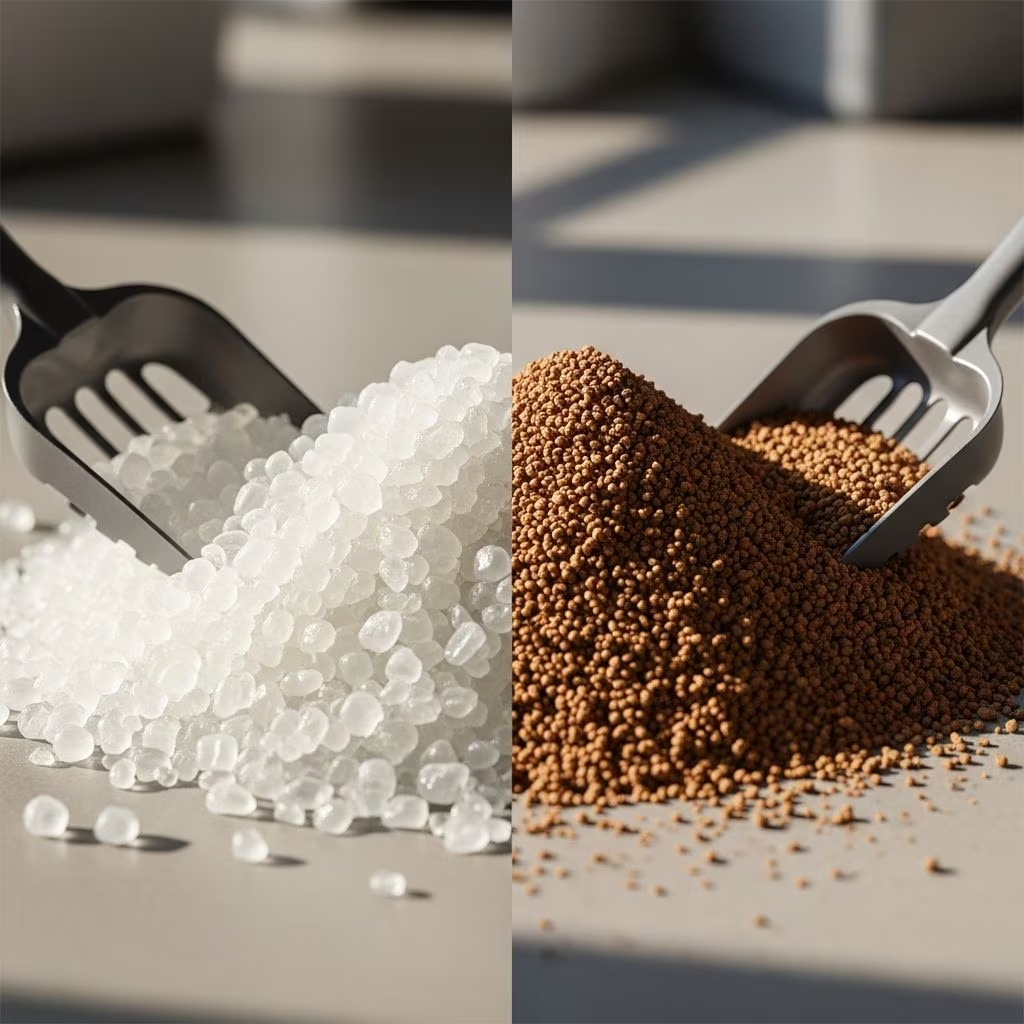
Silica vs. Clay Cat Litter: Which Is Best for Your Feline?
Choosing the right cat litter is one of the most important decisions you can make for your feline companion’s health and happiness. With so many options available on the market, cat owners often find themselves comparing different types of litter, with silica gel and clay-based litters being among the most popular choices. Both options have distinct advantages and disadvantages, and understanding these differences will help you make an informed decision that best suits your cat’s needs and your household preferences.
“Clay and silica cat litters both have their advantages,” explains veterinary professionals. “I’d recommend considering whether your cat has a preference, as well as any medical conditions that could be worsened by one ingredient or the other.” This guidance underscores the importance of understanding what each type of litter is made from and how they perform in key areas like odor control, dust production, and maintenance.
What Is Cat Litter Made Of?
To make an informed choice between silica and clay litters, it’s essential to understand what each type is composed of and how these materials function to manage moisture and odors in the litter box.
Clay Litter Composition
Clay litter comes in two primary formats: non-clumping and clumping varieties. Conventional non-clumping clay litter is made from Fuller’s earth, which is a type of clay material with the ability to absorb its weight in liquid. This natural clay effectively absorbs moisture but doesn’t form solid clumps, requiring more frequent complete litter box changes.
Clumping clay litter, on the other hand, is made from natural bentonite clay granules that clump together when they come into contact with liquid. These clumping litters may also contain additional materials such as quartz or diatomaceous earth, which feature smaller, finer granules that enhance clumping performance and odor control capabilities.
Silica Gel Crystal Composition
Silica gel crystal cat litter is manufactured from sodium silicate sand that undergoes processing with oxygen and water. This specialized process creates beads with tiny pores that give silica litter its exceptional absorbency—these beads can absorb approximately 40 times their weight in liquid. The silica crystals are similar to the desiccant packets found in medication bottles, shoe boxes, and other products requiring moisture control, but they are specifically formulated to be safe for cats and do not contain crystalline silicate, which can be harmful to feline health.
Odor Control Performance
One of the most critical factors in selecting cat litter is its ability to control odors effectively, keeping your home fresh and your cat’s litter box pleasant.
Silica Crystal Odor Management
Silica crystals excel at odor control thanks to their unique structure and absorbency characteristics. The crystals are large and porous, filled with a network of small hollow channels that immediately absorb moisture upon contact with liquid. This rapid absorption traps the liquid inside the beads, leaving the outer layer dry to the touch. Once absorbed, moisture begins to evaporate from the crystal, effectively trapping odor-causing molecules within the internal channels of the beads. Because the absorbency capability is continuous, most silica litters can remain effective for up to a month for a single cat, significantly reducing the frequency of complete litter changes.
To maximize silica litter’s efficiency, the litter should be deep enough to prevent urine from reaching the bottom of the litter box, ensuring effective absorption. Solid waste can be scooped daily, and the litter should be raked daily to allow moisture to evaporate from all the crystals. Because silica litter doesn’t clump, complete litter box dumping and thorough cleaning are necessary when it’s time for a full change.
Clay Litter Odor Control
Clay litter can become overwhelmed with ammonia odor from urine, particularly if the litter isn’t changed frequently enough. The heavy, earthy scent of wet clay can also create an unpleasant smell in the litter box area. Since clay is less absorbent than silica, it requires more frequent complete changes to maintain freshness and odor control, making it less economical in the long term.
Dust Production and Respiratory Health
Dust production is a significant health consideration when selecting cat litter, affecting both your cat and your household.
Clay Litter Dust Concerns
Clay litter tends to produce substantial amounts of dust, which can pose health risks for both cats and their human companions. Bentonite clay and sand litters typically contain crystalline silica, which produces a toxic dust. Inhaling silica dust can cause respiratory issues and lung disease in cats, and the same risk applies to humans who scoop and handle the litter regularly. This is a serious health consideration that should not be overlooked when choosing a litter type.
Silica Crystal Low-Dust Advantage
Silica crystals contain little to no dust, making them a much healthier choice for maintaining respiratory health. Many silica crystal cat litters are specifically designed with low-dust formulations, creating a healthier environment for both your cat and your family. Because of the size of the crystals, your cat is also less likely to track litter around the house, reducing the mess and minimizing dust spread throughout your home.
Tracking and Paw Comfort
How easily your cat tracks litter throughout the house is an important practical consideration for maintaining a clean living environment.
Clay Litter Tracking Issues
Clay litter is prone to tracking, meaning it easily sticks to your cat’s paws and gets carried throughout the house. The granule size and texture of clay litter make it more likely to become lodged between your cat’s toes, creating an uncomfortable experience. Additionally, clay litter can stick to the paws more easily than other materials, spreading litter beyond the litter box area.
Silica Crystal Paw-Friendly Design
The large crystals typical of silica litters are specifically designed to prevent them from becoming lodged in a cat’s paws, minimizing tracking and limiting the spread of litter throughout your home. Many silica crystal cat litters feature engineered beads designed specifically to reduce tracking, meaning more litter stays in the box and less ends up on your floors. This design consideration makes silica litter an excellent choice for maintaining a cleaner home while keeping your cat’s paws comfortable.
Texture and Comfort
The texture of cat litter plays an important role in encouraging your cat to use the litter box and ensuring their comfort during use.
Clay Litter Texture Benefits
Conventional clay litter feels like sand, which naturally entices many cats to use their litter boxes, as it mimics the texture of natural soil where cats instinctively want to eliminate. The large granules typical of clay litters are less likely to get stuck between toes compared to finer materials, making the experience more comfortable for your cat’s feet. However, clumping clay litter is fine and soft on feet but is not recommended for kittens, especially those who may accidentally ingest the litter during grooming.
Weight and Handling Convenience
The weight and ease of handling cat litter is a practical consideration that affects your daily maintenance routine.
Clay Litter Weight Disadvantage
Clay litter is significantly heavier than silica litter, making it cumbersome to carry and pour. Because clay litter is less absorbent, you need to use more of it and replace it more frequently. This means more heavy lifting, more frequent purchases, and greater physical strain on your back and joints during litter maintenance. The weight factor alone makes clay litter less convenient for many cat owners, particularly seniors or those with physical limitations.
Silica Litter Lightweight Advantage
Silica litter is lightweight and easy to handle, making it much more convenient for daily use and maintenance. A small amount of silica litter goes a long way due to its superior absorbency, reducing the frequency of refills and making it more economical in the long run. The lightweight nature of silica litter means less strain on your body when handling and less frequent trips to purchase litter.
Maintenance and Cleaning
The ease of maintaining your litter box is an important practical consideration that affects your daily routine.
Clay Litter Maintenance Challenges
Maintaining a litter box with clay litter can be messy and time-consuming. Wet clay can stick to the box itself, making it difficult to clean thoroughly. Regular scooping is essential to prevent odors and maintain hygiene, but this constant maintenance can be a hassle. The adhesive nature of wet clay means that residue often remains in the box even after scooping, requiring more frequent and intensive cleaning efforts.
Silica Litter Maintenance Simplicity
Silica litter simplifies maintenance significantly. The crystals absorb moisture on contact, and solid waste can be easily scooped out daily. Simply stir or rake the crystals to promote continued moisture evaporation, and replace the litter less frequently than you would with clay. This straightforward maintenance routine means less time spent on litter box care and a cleaner litter box overall.
Environmental Considerations
For environmentally conscious cat owners, the sustainability and ecological impact of litter choices matter.
Clay Litter Environmental Impact
Clay litter still accounts for more than five billion pounds of strip-mined clay annually. Strip mining, a type of surface mining, involves removing massive layers of soil and rock to expose the minerals underneath. Through this destructive process, wildlife habitats are ruined and nearby waterways are polluted. Because clay litter is not biodegradable, it clogs up landfills for decades, creating significant environmental concern and contributing to long-term ecological damage.
Silica Litter Environmental Profile
While silica litter also requires mining, it generally has a smaller environmental footprint due to the higher absorbency and longer lifespan of each use. Silica crystals can be effective for up to a month, meaning fewer replacements and less waste generated over time compared to clay litter.
Cost Comparison
Understanding the long-term cost implications of each litter type helps inform your decision.
Initial and Ongoing Costs
Clay litter is typically the cheapest option at the point of purchase, but it needs to be replaced more often, increasing your overall spending over time. The lighter weight and superior absorbency of silica litter mean you use less product per change, and the extended effectiveness of each batch means fewer replacements annually. When calculated over a year, silica litter often proves more economical despite a higher initial purchase price.
Comparison Table: Silica vs. Clay Cat Litter
| Feature | Silica Gel | Clay-Based |
|---|---|---|
| Odor Control | Excellent (up to 1 month effectiveness) | Good (requires frequent changes) |
| Dust Production | Minimal to none | High (contains crystalline silica) |
| Tracking | Low (large crystals) | High (sticks to paws) |
| Weight | Lightweight | Heavy |
| Maintenance | Simple (rake and scoop) | Complex (frequent changes needed) |
| Initial Cost | Higher | Lower |
| Long-term Cost | More economical | More expensive |
| Environmental Impact | Lower (longer lasting) | Higher (mined, non-biodegradable) |
| Respiratory Health | Safe (dust-free) | Concerning (crystalline silica) |
Making the Right Choice for Your Cat
When deciding between silica and clay cat litter, consider your cat’s individual preferences and any medical conditions they may have. Some cats prefer the sandlike texture of clay litter, while others adapt well to silica crystals. If your cat has respiratory sensitivities or you’re concerned about air quality in your home, silica litter is the superior choice due to its dust-free composition.
For households with multiple cats or those seeking long-term cost savings and convenience, silica litter offers significant advantages in odor control, maintenance ease, and overall healthfulness. However, if your cat has a strong preference for traditional clay litter and shows no respiratory issues, clay may be acceptable as long as you commit to frequent changes and thorough cleaning.
Frequently Asked Questions
Q: Is silica litter safe for cats?
A: Yes, silica gel crystal litter is safe for cats when used as directed. It is specifically formulated to be safe for feline use and does not contain crystalline silicate, which can be harmful. However, silica litter can be harsh on sensitive paws, so monitor your cat’s comfort level.
Q: Why is clay litter dusty?
A: Bentonite clay and sand-based litters contain crystalline silica, which produces a toxic dust when disturbed. This dust can be inhaled by both cats and humans, causing respiratory problems and potential lung disease with prolonged exposure.
Q: How long does silica litter last?
A: Silica gel crystal litter can remain effective for up to one month for a single cat due to its exceptional absorbency and continuous moisture evaporation capabilities, though this varies based on litter depth and daily raking.
Q: Can kittens use clumping clay litter?
A: Clumping clay litter is not recommended for kittens, especially those who may ingest litter during grooming, as it can cause digestive issues. Older cats and non-clumping clay options may be safer choices for young kittens.
Q: Which litter produces less tracking?
A: Silica gel crystals produce significantly less tracking than clay litter because the large crystal size prevents them from becoming lodged in paws, and many silica litters are specifically engineered with low-tracking formulas.
Q: Is silica litter environmentally friendly?
A: While silica litter requires mining, it is more environmentally friendly than clay because it lasts longer, reducing the amount of waste generated. Clay litter contributes to more landfill waste since it requires frequent replacement and is not biodegradable.
Q: What should I do if my cat doesn’t like silica litter?
A: If your cat prefers clay litter, you can continue using it while implementing measures to reduce health risks, such as using a litter box with a good ventilation system and ensuring frequent, thorough cleaning. You might also try transitioning gradually by mixing the two types.
References
- Which Cat Litter to Use: Silica vs. Clay-Based — Chewy. Accessed 2025-11-28. https://www.chewy.com/education/cat/health-and-wellness/which-cat-litter-to-use-silica-vs-clay-based
- Different Types of Cat Litter: Overview & Comparison — VCA Hospitals. Accessed 2025-11-28. https://vcahospitals.com/pediatric/kitten/prep-supplies/different-types-of-cat-litter
- Crystals? Sawdust? Clay? How to Choose the Right Litter for Your Cat — East Valley Animal Hospital. Accessed 2025-11-28. https://www.eastvalleyanimal.com/how-to-choose-the-right-cat-litter/
- Clay vs Silica Cat Litter: Is the Dust Really Worth the Savings? — DHgate Smart. Accessed 2025-11-28. https://smart.dhgate.com/clay-vs-silica-cat-litter-is-the-dust-really-worth-the-savings/
- The Ultimate Guide To Different Types of Cat Litter — Tuft & Paw. Accessed 2025-11-28. https://www.tuftandpaw.com/blogs/cat-guides/the-ultimate-guide-to-different-types-of-cat-litter



