

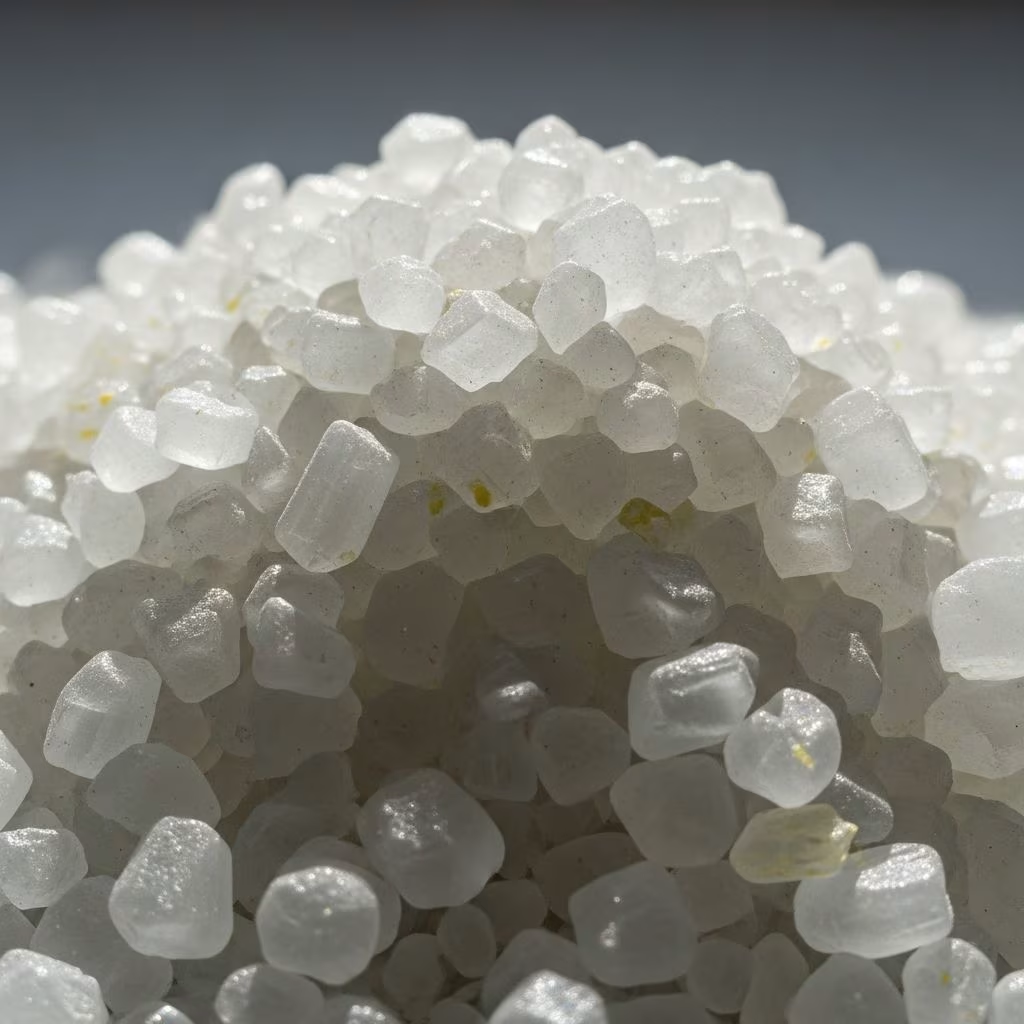
Silica-based cat litters promise superior absorbency and odor control, but mounting evidence highlights serious health concerns for cats and their owners. While some formulations use amorphous silica gel, others incorporate crystalline silica, a known respiratory hazard that can lead to chronic illness.
Understanding Silica in Cat Litter
Cat litters often contain silica in two primary forms: crystalline silica, found in many clay-based clumping products, and amorphous silica gel, used in crystal litters. Crystalline silica, derived from bentonite clay, is a fine dust that becomes airborne during use, scooping, and cleaning. This dust irritates mucous membranes and, over time, embeds in lung tissue.
Amorphous silica gel, conversely, consists of porous beads designed to trap moisture without generating excessive dust. Manufacturers claim it is non-toxic, but distinctions matter: crystal litters may still pose ingestion risks if cats chew the beads.
- Crystalline silica: Linked to silicosis, scarring of lung tissue, and cancer in occupational settings.
- Amorphous silica: Generally safer but not risk-free for heavy ingestion.
Respiratory Hazards for Cats and Humans
Cats, with their grooming habits, inhale silica dust daily after litter box visits. This exposure mirrors industrial silica risks, where chronic inhalation causes silicosis—a progressive lung disease forming scar tissue that impairs oxygen intake.
A compelling case study documents a woman exposed to bentonite cat litter from nine cats over 18 years. She developed sarcoid-like lung disease with micronodular lesions and mediastinal lymphadenopathy, confirmed by biopsy showing silicon particles. Her condition improved after switching litters and steroid treatment.
For cats, symptoms include chronic coughing, reduced activity, and breathing difficulties. In humans, handling dusty litters without masks risks similar irritation to nose, throat, and lungs.
| Silica Type | Key Risks | Affected Species |
|---|---|---|
| Crystalline | Silicosis, cancer, scarring | Cats, Humans |
| Amorphous Gel | Lower dust, but GI upset if ingested | Primarily Cats |
Digestive Dangers from Ingestion
Cats groom extensively, ingesting litter particles from paws and fur. Clumping clay litters with silica expand upon contact with stomach fluids, potentially causing blockages, diarrhea, or vomiting.
Chronic low-level ingestion leads to dehydration and kidney strain, as silica binds water internally. Reports link clay litters to mega-bowel syndrome, irritable bowel issues, and renal failure—conditions mimicking unrelated ailments but tied to litter consumption.
Even crystal litters, while less clumpy, can cause gastrointestinal distress or obstructions if kittens or curious cats eat large quantities. Symptoms range from frothy vomiting to lethargy and anemia.
Long-Term Health Impacts
Prolonged exposure to crystalline silica elevates cancer risks, with OSHA classifying it as a human lung carcinogen. Cats’ similar lung physiology suggests parallel vulnerabilities, including susceptibility to sarcoidosis-like conditions.
One study notes bentonite litters’ role in hypercalcemia via activated macrophages producing excess calcitriol, leading to renal failure. Eliminating exposure reversed symptoms, underscoring causality.
Additional concerns include ammonia buildup from waste, exacerbating respiratory irritation, and bacterial growth fostering pathogens.
Silica vs. Other Litters: A Comparison
| Litter Type | Pros | Cons | Safety Rating |
|---|---|---|---|
| Clay (Silica-Based) | Excellent clumping, odor control | Dusty, carcinogenic, ingestible clumps | Low |
| Crystal (Amorphous Silica) | High absorbency, low dust | Texture issues, potential blockages | Moderate |
| Plant-Based (Pine, Corn) | Biodegradable, low dust | May mold, less clumping | High |
| Paper Pellets | Dust-free, soft | Poor odor control | High |
Plant-based options avoid silica entirely, reducing inhalation and ingestion risks while being eco-friendlier.
Signs Your Cat May Be Affected
- Coughing or wheezing after litter use
- Persistent sneezing or nasal discharge
- Vomiting, diarrhea, or appetite loss
- Lethargy, weight loss, or failure to thrive
- Kidney issues: increased thirst, urination changes
- Avoidance of litter box due to paw discomfort
Switching to Safer Alternatives
Transition gradually over 1-2 weeks by mixing new litter with old. Prioritize dust-free, non-clumping formulas for sensitive cats. Top recommendations:
- Wheat or corn litters: Biodegradable, flushable, minimal dust.
- Recycled paper: Soft, absorbent, ideal for kittens.
- Pine shavings: Natural odor control without chemicals.
Ventilate litter areas, use covered boxes with filters, and scoop daily to minimize dust and ammonia.
FAQs on Silica Cat Litter Safety
Is all silica cat litter dangerous?
No—amorphous silica gel crystals are safer than crystalline silica in clay, producing less dust and lacking carcinogens. Always check labels.
Can silica litter cause cancer in cats?
Crystalline silica is a known carcinogen when inhaled chronically, posing similar risks to cats as in humans.
What if my cat ate silica litter?
Small amounts may cause mild GI upset; monitor for vomiting or blockages. Contact a vet for large ingestions.
Is silica litter safe for humans to handle?
Avoid inhaling dust; pregnant individuals or those with respiratory issues should wear masks during cleaning.
How do I reduce litter dust exposure?
Choose low-dust options, use litter mats, and clean in well-ventilated areas.
Expert Tips for Litter Box Health
- Select litters vetted by organizations like the EPA for low silica.
- Provide multiple boxes for multi-cat homes to reduce sharing.
- Monitor urine clumps for health indicators like crystals or blood.
- Annual vet checkups for respiratory and kidney function.
By understanding these risks, pet owners can make informed choices protecting their cats from preventable harm.
References
- Dangers of Clumping Litter — The Pet Health and Nutrition Center. Accessed 2026. https://www.pethealthandnutritioncenter.com/blogs/natural-pet-health-education/dangers-of-clumping-litter
- What’s the Big Deal About Cat Litter? — PetMac. Accessed 2026. https://petmac.org/educational-info/whats-the-big-deal-about-cat-litter/
- Sarcoid-like Lung Disease as a Reaction to Silica from Exposure to Bentonite Cat Litter — Joanna Hubska, PMC. 2022-10-01. https://pmc.ncbi.nlm.nih.gov/articles/PMC9566682/
- Is Silica Cat Litter Safe? — Dutch. Accessed 2026. https://www.dutch.com/blogs/cats/silica-cat-litter
- Pros & Cons of Clay Cat Litter — Tuft & Paw. Accessed 2026. https://www.tuftandpaw.com/blogs/cat-guides/pros-cons-clay-cat-litter
- Crystal Silica Cat Litter: Benefits, Risks, and Safety for Cats — The Refined Feline. Accessed 2026. https://www.therefinedfeline.com/pros-cons-of-crystal-silica-cat-litter/
- The Hidden Dangers of Litter Boxes and Safer Alternatives — Ruff Start Rescue. 2025-02-13. https://ruffstartrescue.org/2025/02/13/hidden-dangers-of-litter-boxes/



