

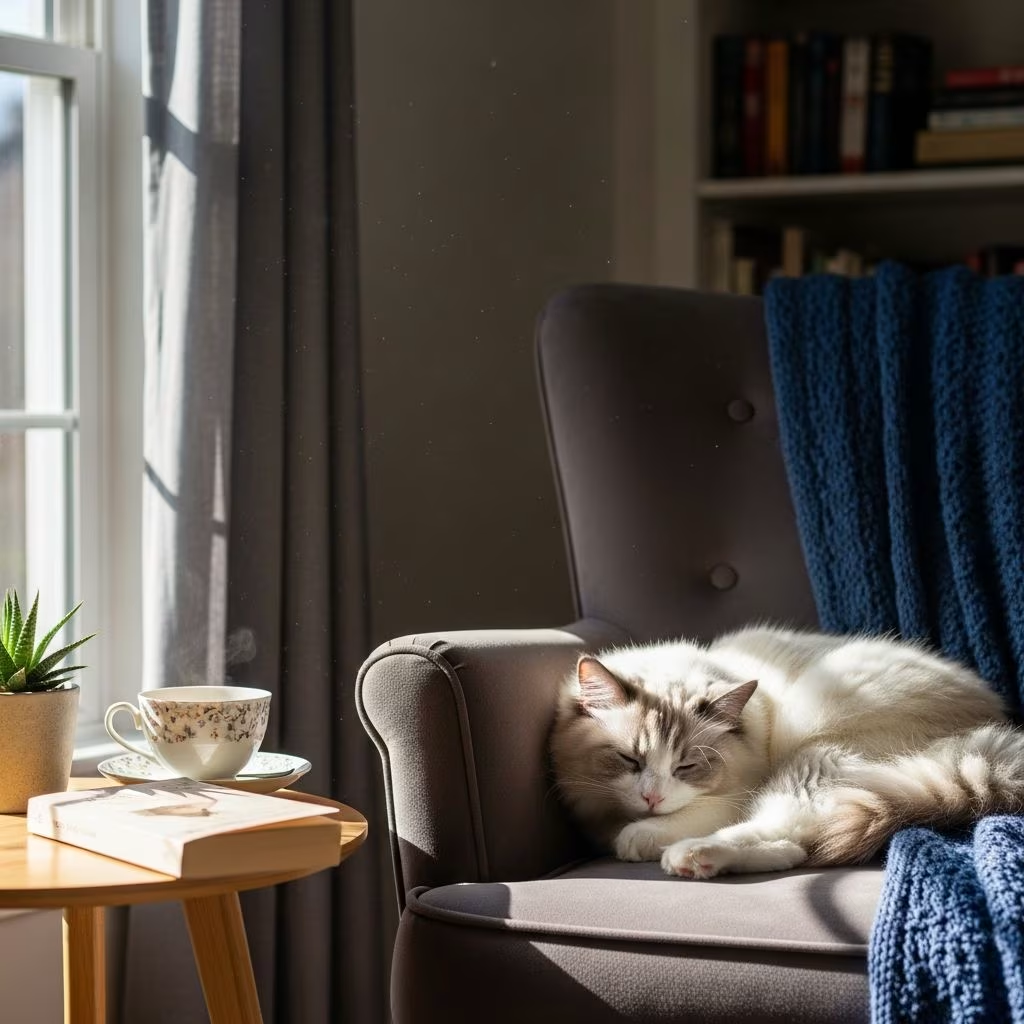
Finding the perfect feline companion doesn’t always mean accepting constant meowing and vocal demands. For those who prefer serene living environments, quiet cat breeds offer an excellent solution. These gentle animals communicate through subtle gestures, purring, and physical affection rather than excessive vocalization. Understanding which breeds align with your preference for a quieter household can help you make an informed decision when selecting your next furry family member.
Understanding Silent Cat Breeds
Cats naturally communicate through multiple methods, and some breeds have developed stronger preferences for non-vocal interaction. Quiet cat breeds maintain lower vocalization levels while remaining affectionate and interactive with their human companions. These felines typically express their needs and emotions through body language, physical touch, and subtle sounds rather than frequent meowing. The distinction between quiet and vocal cat breeds often relates to genetic predisposition and breed development over generations.
When considering a quiet cat breed, it’s important to recognize that these animals still produce sounds—they purr contentedly, chirp occasionally, and may meow when experiencing genuine distress or important needs. The primary difference lies in their inclination toward restraint and their preference for alternative communication methods. Many quiet breeds were selectively developed to emphasize calm temperaments, contributing to their naturally serene nature.
Prime Candidates for Silent Companionship
The Birman: Sociable Yet Respectful
Birmans represent an exceptional choice for those seeking both companionship and tranquility. These cats display a playful, affectionate nature while demonstrating impressive awareness of their human companions’ schedules and needs. Birmans recognize when their owners are busy or sleeping and adjust their vocal activity accordingly, making them particularly suitable for shared living spaces. Their luxuriously silky coats remain resistant to matting, requiring less intensive grooming than some longer-haired breeds.
These medium to large-sized cats can weigh up to 15 pounds and thrive in multi-pet households. Birmans prefer not being the only animal in the home, so considering feline companions or other pets can enhance their overall contentment and behavioral patterns.
The Chartreux: Gentle Guardians with Strong Bonds
The Chartreux breed exemplifies what many consider the ideal quiet companion. Their distinctive blue-gray coat combined with gentle, loving temperament creates an appealing package for apartment dwellers and families alike. These cats form remarkably deep connections with their human family members, offering quiet devotion rather than demanding attention through vocalization.
Despite their gentle nature, Chartreux cats retain powerful, muscular bodies that make them effective mousers and hunters. This combination of soft demeanor and practical hunting ability demonstrates the breed’s balanced personality. Their ability to thrive in various living situations—from single-person households to larger families and even with senior owners—speaks to their remarkable adaptability.
The Persian: The Epitome of Feline Serenity
Persians have long been regarded as the gold standard for calm, quiet cats. These remarkably laid-back felines prioritize comfort and observation over active engagement. A Persian’s ideal day involves lounging on soft surfaces, watching household activities unfold, and enjoying quiet moments of human companionship. Rather than demanding interaction, Persians contentedly people-watch from elevated perches or cozy floor beds.
Their independent nature means they don’t require constant lap time to feel satisfied, though most Persians genuinely enjoy human affection when offered. They adapt well to multi-pet households and typically coexist peacefully with even mild-mannered dogs. However, their long coats require consistent grooming and maintenance to prevent matting and maintain their luxurious appearance.
The Ragdoll: Docile Companions with Gentle Hearts
Ragdolls earned their distinctive name from their natural tendency to go limp when picked up, creating a distinctive cuddle experience. These extraordinarily docile cats exemplify low-activity companionship while remaining deeply affectionate. They excel at following family members throughout the home, offering quiet presence rather than demanding entertainment or attention through vocalization.
The breed’s plush, luxurious coat feels wonderful to stroke and remains relatively easy to maintain despite its length. Ragdolls prove particularly suitable for households with children and other animals, as their gentle, tolerant nature makes them naturally patient with various household dynamics. These intelligent cats can even learn tricks, performing their accomplishments with minimal vocal fanfare.
The LaPerm: Affectionate Through Touch
With their distinctive wavy coat and fun-loving personality, LaPerms represent a more playful option within the quiet cat spectrum. These cats demonstrate a strong preference for communicating through physical contact and interactive play rather than vocalization. They meow only when something genuinely important occurs—such as illness or genuine distress—preferring instead to express their emotions through touch, positioning, and engaged play.
LaPerms happily spend extended periods on their owners’ laps or nestled near work areas, providing silent companionship during daily activities. Their lower-shedding coats make them suitable for individuals with mild allergies, though their curly texture requires regular brushing to maintain its distinctive appearance.
The Siberian: Large Yet Gentle
Don’t let their impressive size fool you—Siberian cats rank among the quietest large cat breeds. These striking, semi-long-haired felines possess soft coats and exceptionally fluffy tails that invite petting and interaction. Despite their active nature and love of climbing, Siberian cats prefer purring to meowing, making them suitable for those who want a more engaged, playful companion without excessive vocalization.
Siberians display remarkable affection toward their humans and adapt well to strangers, making them excellent family pets. Many willingly engage in interactive play, such as fetch, distinguishing them from more sedentary quiet breeds while maintaining their characteristic quietness.
The Scottish Fold: Charming and Docile
Scottish Folds combine friendly, social dispositions with docile temperaments that naturally predispose them toward quietness. Their distinctive folded ears and round faces contribute to their endearing appearance, but their true appeal lies in their easygoing nature. These cats adapt well to family living situations, apartments, and environments with other pets and children.
The Pixiebob: Wilderness Beauty with Gentle Character
The Pixiebob presents an intriguing option for those drawn to wild-appearing cats without the challenges of exotic ownership. Despite resembling the Pacific Northwest’s Coastal Red Bobcat, Pixiebobs are considerably smaller and significantly more domesticated. These calm, intelligent cats maintain laidback temperaments and demonstrate excellent compatibility with children and other animals.
Understanding Activity Levels and Vocalization
While quietness and low activity often correlate, these characteristics don’t always appear together. Some quiet breeds remain quite active, engaging in climbing and play without accompanying vocalizations. Others display minimal activity levels and equally minimal sound production. Understanding this distinction helps potential owners align breed selection with their lifestyle preferences.
Calm, quiet breeds typically require daily exercise and play to maintain healthy weight and psychological well-being, even when they naturally prefer rest and relaxation. Providing appropriate enrichment through interactive play sessions ensures these cats remain content and prevents obesity-related health complications.
Key Characteristics of Low-Vocalization Breeds
Several traits consistently appear among quiet cat breeds:
- Gentle temperament: These cats naturally possess soft, non-aggressive personalities that translate into quiet behavior
- Strong human bonds: Quiet breeds form deep connections with their owners, expressing affection through physical contact rather than vocal demands
- Independent nature: Many quiet breeds don’t require constant interaction or attention, reducing their impulse to meow for engagement
- Preference for observation: These cats often enjoy watching household activities unfold rather than actively participating or demanding involvement
- Physical communication: Quiet breeds rely on body language, positioning, nudging, and touch to express their needs and emotions
- Comfortable solitude: Unlike highly vocal breeds, quiet cats typically remain content during alone time without excessive distress vocalization
Lifespan and Health Considerations
| Breed | Typical Lifespan | Notable Characteristics |
|---|---|---|
| Birman | 12-16 years | Social, playful, silky coat |
| Chartreux | 12-16 years | Blue-gray coat, devoted |
| Persian | 10-13 years | Requires grooming, very calm |
| Ragdoll | 10-15 years | Goes limp when held, docile |
| Siberian | 11-18 years | Large, active, long-lived |
| Scottish Fold | 11-15 years | Folded ears, family-friendly |
| Pixiebob | 11-15 years | Wild appearance, gentle |
Choosing the Right Quiet Breed for Your Lifestyle
Selecting an appropriate quiet cat breed requires considering your living situation, activity level, and grooming commitment. Those in apartments or noise-sensitive environments might prioritize the Persian or Chartreux for their exceptional quietness. Families with active children might prefer the more engaged Ragdoll or Birman, which balance quietness with playful interaction.
Grooming requirements vary significantly among quiet breeds. Persians and other long-haired varieties demand regular, consistent grooming to maintain coat health and prevent matting. Short-haired quiet breeds like the Chartreux or Pixiebob require less intensive grooming while maintaining similar behavioral characteristics.
Frequently Asked Questions
Do quiet cat breeds still purr?
Yes, absolutely. Quiet cats maintain full purring abilities and often purr contentedly during affection and relaxation. The distinction lies in their reduced meowing frequency, not elimination of all vocalizations.
Are quiet cat breeds less affectionate?
Not necessarily. Many quiet breeds demonstrate exceptional affection, expressing love through physical contact, lap sitting, and close proximity rather than vocal demands. Their quietness reflects communication preference, not emotional detachment.
Can quiet cats be trained?
Yes, quiet breeds often prove highly trainable, especially intelligent breeds like Ragdolls and LaPerms. Their calm nature typically makes them responsive to positive reinforcement training methods.
Do quiet breeds require less attention?
While quiet breeds may not demand attention through vocalization, they still benefit from daily play, interaction, and environmental enrichment. Their quiet nature shouldn’t be mistaken for independence regarding exercise and stimulation needs.
Which quiet breed is best for apartments?
Persians, Chartreux, and Ragdolls all excel in apartment living, offering exceptional quietness and adaptability to smaller spaces. Scottish Folds and Pixiebobs also thrive in apartment environments.
Creating an Optimal Environment for Quiet Cats
Regardless of breed selection, providing appropriate environmental enrichment ensures quiet cats remain satisfied and well-adjusted. Vertical spaces, climbing structures, and window perches support natural behaviors while allowing cats to observe their surroundings—an activity many quiet breeds genuinely enjoy.
Interactive play sessions maintain physical fitness and mental stimulation, preventing boredom and associated behavioral issues. Even naturally calm, quiet cats benefit from regular engagement with toys, puzzle feeders, and interactive play that encourages their natural hunting instincts in controlled ways.
Establishing consistent routines helps quiet cats feel secure and reduces anxiety-related vocalization. These predictable, stable environments naturally complement the temperaments that make quiet breeds appealing.
References
- Silent & Quiet Cat Breeds — Purina US. https://www.purina.com/cats/cat-breeds/collections/silent-and-quiet-cat-breeds
- 12 Calm Cat Breeds for Your Relaxed Lifestyle — Cats.com. https://cats.com/calm-cat-breeds
- 5 Low-Activity Cat Breeds for People Who Love Chill Kitties — Cat in a Flat. https://catinaflat.com/blog/low-activity-cat-breeds-for-people-who-love-chill-kitties



