

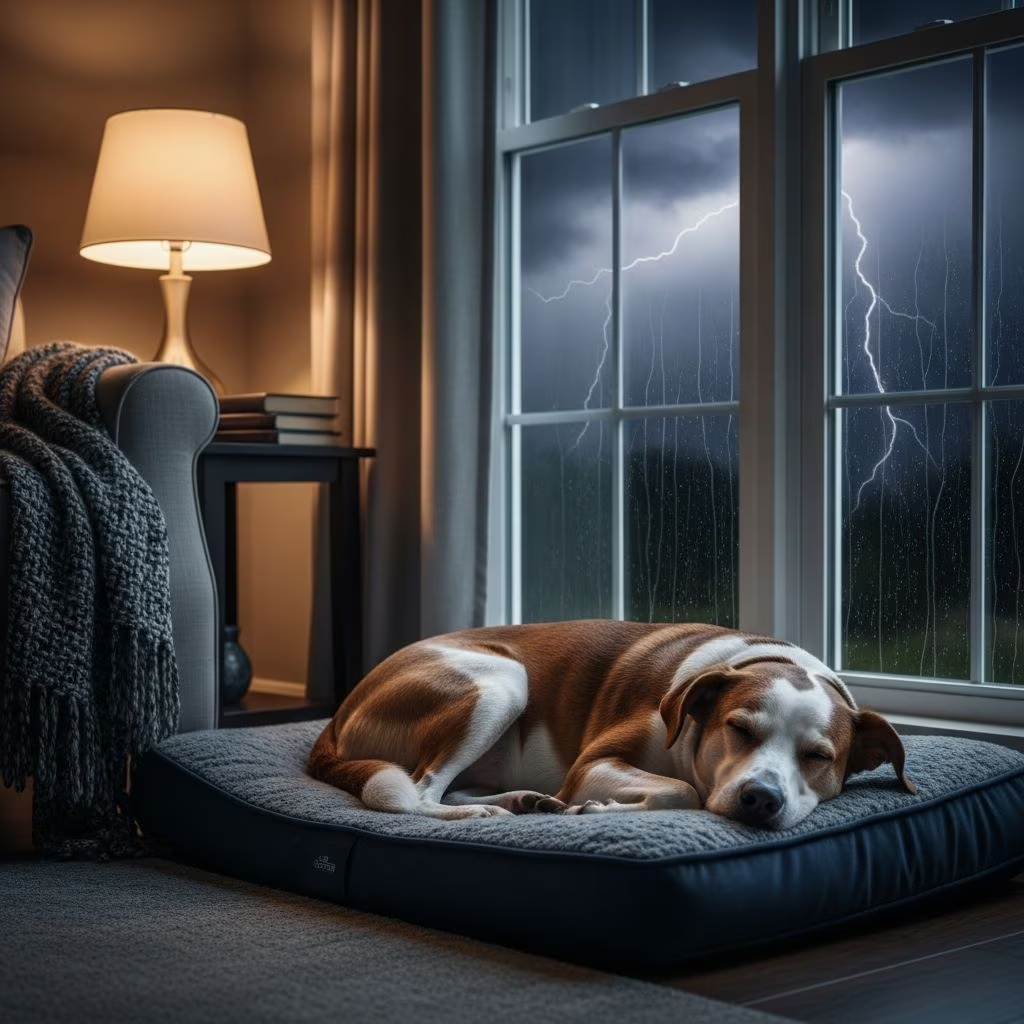
Excessive barking at noises disrupts daily life for many dog owners, turning minor sounds into major disturbances. This comprehensive guide explores why dogs react this way and provides actionable training plans to foster calm responses instead.
Understanding Why Dogs Bark at Sounds
Dogs bark at noises primarily as an alarm mechanism, alerting their pack to potential threats. This instinct stems from their ancestral role as guardians, where sounds like rustling leaves or approaching footsteps signaled danger. In modern homes, harmless triggers such as doorbells, vacuum cleaners, or distant fireworks provoke the same response.
Alert barking differs from other types: it’s purposeful, stopping once the dog investigates or perceives the threat neutralized. Factors amplifying it include boredom, territorial instincts, fear, or insufficient exercise. High-energy breeds like shepherds or terriers are particularly prone, as understimulation heightens sensitivity.
Recognizing triggers is key. Common culprits include:
- Doorbells and knocks
- Passing vehicles or pedestrians
- Household appliances
- Outdoor events like thunder or fireworks
- Neighboring pets
Addressing this requires patience, consistency, and positive methods to rewire reactions without punishment, which can worsen anxiety.
Foundational Principles for Effective Training
Successful noise-barking reduction hinges on positive reinforcement, rewarding silence over scolding noise. Punishment confuses dogs and escalates fear-based barking. Instead, focus on three pillars: prevention, counter-conditioning, and command training.
Consistency across household members prevents mixed signals. Everyone must use identical cues and responses. Daily short sessions (5-10 minutes) build habits faster than sporadic efforts. Tools like high-value treats, toys, and a dedicated mat enhance engagement.
| Principle | Benefit | Example Application |
|---|---|---|
| Positive Reinforcement | Encourages repeat behaviors | Treat for quiet moments |
| Consistency | Avoids confusion | Uniform commands family-wide |
| Short Sessions | Maintains focus | 5-min daily practices |
Step-by-Step: Teaching the ‘Quiet’ Command
The ‘quiet’ command interrupts barking by associating silence with rewards. This method, endorsed by trainers, starts by cueing barking intentionally.
- Trigger Barking Safely: Knock on a wall or door behind you to elicit barks without real stress. Mark the bark with ‘speak’ and reward lightly to label it.
- Introduce ‘Quiet’: Once barking starts, say ‘quiet’ calmly, wait for a pause (even brief), and deliver a treat while praising. Repeat until the dog anticipates silence for rewards.
- Build Duration: Gradually extend quiet time before treats. Practice in low-distraction areas first.
- Add Real Triggers: Have a helper simulate noises like door knocks. Bark happens, cue ‘quiet,’ reward compliance.
Progress to distractions: play recordings of triggers at low volume, pairing with ‘quiet.’ Over weeks, dogs learn silence pays off.
Alternative Behaviors: Redirect Energy Productively
Since barking and certain actions can’t coexist, teach incompatibles like toy-holding or mat-settling.
Hold a Toy Technique
Coat a durable rubber toy with peanut butter. Offer it saying ‘take it’ as the dog licks. Progress to voluntary holding, then fetching on cue. During noises, command ‘take it’—mouth occupied means no barking.
Mat Retreat Method
Designate a comfy mat. Scatter treats on it, cue ‘place’ or ‘mat’ as the dog approaches. Hide more treats to make it rewarding. During alerts, direct to mat with praise upon arrival. Fade treats over time.
These build confidence, turning reactive dogs into relaxed ones by associating noises with positives.
Desensitization: Reducing Sound Sensitivity
Counter-condition by pairing noises with rewards at sub-threshold volumes, gradually increasing intensity. Start with faint recordings (e.g., doorbell apps).
- Play sound softly while feeding treats or playing.
- Increase volume only if dog stays calm.
- Combine with ‘quiet’ or alternatives.
For outdoor sounds, control exposure: close curtains, use white noise machines. Practice daily in controlled setups for stacked positive associations.
Management Strategies for Immediate Relief
While training, minimize triggers:
- Environmental Tweaks: Muffle sounds with music or fans; block views with blinds.
- Preemptive Distraction: Before known events (visitors), engage with toys or puzzles.
- Exercise Boost: Tire dogs physically/mentally to lower reactivity.
- Ignore Attention-Seeking: Turn away during barks, reward quiet.
Avoid reinforcing by not yelling—dogs interpret it as joining the chorus.
Advanced Tips for Stubborn Cases
For persistent barkers, layer techniques:
- Impulse control games like ‘bucket’ or ‘wait’ for food build self-regulation.
- Professional desensitization with behaviorists if fear underlies barking.
- Track progress in a journal: note triggers, responses, improvements.
Breeds vary; consult vets to rule out anxiety disorders treatable with medication alongside training.
Frequently Asked Questions (FAQs)
How long does training take?
Typically 2-6 weeks with daily practice, varying by dog age, breed, and consistency.
What if my dog barks at night?
Secure windows, use white noise, ensure daytime exercise. Train ‘quiet’ in dim light.
Is a bark collar effective?
Citric or vibration collars can suppress but don’t address causes; prefer positive methods.
Can puppies learn this?
Yes, start early with play-based sessions for best results.
What treats work best?
High-value like cheese or chicken to outcompete barking excitement.
Long-Term Maintenance for Lasting Calm
Once mastered, maintain with random rewards and refresher drills. Generalize to new environments gradually. A quieter dog enjoys more freedom and bonding time.
Training transforms alert barking from nuisance to managed behavior, enhancing life for dogs and owners alike.
References
- How to Train Your Dog to Stop Barking at Noises — WagWalking. 2023. https://wagwalking.com/training/stop-barking-at-noises
- How To Stop Your Dog Barking — Dogs Trust. 2024-01-15. https://www.dogstrust.org.uk/dog-advice/training/unwanted-behaviours/stop-your-dog-barking
- Sharing a Tip to Stop a Dog From Barking at Sounds Outside — Dog Gone Problems. 2022-05-10. https://www.doggoneproblems.com/luca-rio-stop-a-dog-from-barking/
- Alarm Barking in Apartment — Dog Training Excellence. 2023. https://www.dog-training-excellence.com/alarm-barking-in-apartment.html



