Signs Your Rabbit Is Getting Old: 6 Senior Rabbit Care Tips
Recognize aging signs in rabbits and learn how to support your senior bunny's health and comfort.
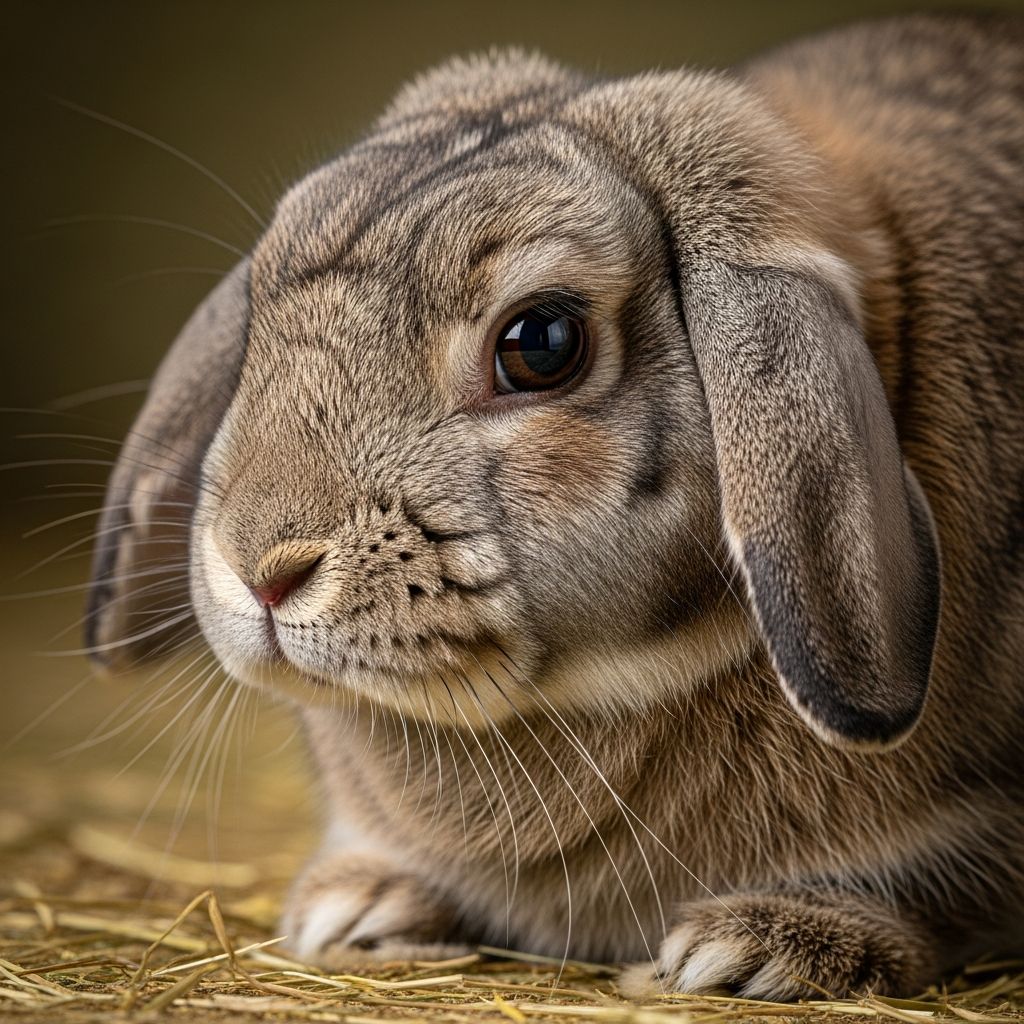
Understanding Your Senior Rabbit: Recognition and Care
As our beloved rabbits age, they undergo numerous physical and behavioral changes that require our attention and care. Recognizing these signs early allows us to provide appropriate support and ensure our senior bunnies enjoy their golden years comfortably. While aging is an individual process and not all elderly rabbits display the same signs, being aware of common indicators helps you respond to your rabbit’s evolving needs.
Rabbits can live 8 to 12 years or more with proper care, meaning many of us will experience the journey of caring for a senior pet. Understanding what to expect during this stage enables you to make informed decisions about their health, nutrition, and living environment. Let’s explore the six most significant signs that your rabbit is entering their senior years.
1. More Napping
One of the earliest and most noticeable signs that your rabbit is getting older is an increase in naptime. Senior rabbits tend to conserve energy by sleeping more frequently and taking longer naps throughout the day. Where your younger rabbit may have been active and alert for most of the day, your aging bunny may now spend substantial portions of the day resting.
This behavior is completely normal and represents a natural part of the aging process. Changes in sleep-related hormone secretion contribute to this shift in activity patterns. Your rabbit may sleep in later, take extended midday naps, or go to bed earlier than they once did. Additionally, as your rabbit ages and becomes more comfortable with you, they may feel safer and less need to remain constantly alert, allowing them to rest more peacefully.
Supporting Your Resting Senior Rabbit:
Providing adequate comfort for your napping bunny is essential during their senior years. Invest in several soft, thick beds or cushions placed throughout their living space, giving your rabbit multiple cozy spots to rest. These beds should provide cushioning and support for aging joints. Consider placing beds in warm, quiet areas where your rabbit can rest undisturbed. Many senior rabbits enjoy the extra comfort and security that plush bedding provides, and the accessibility of multiple resting spots means your rabbit doesn’t have to travel far when they need to rest.
2. Not Getting Around As Well
As rabbits age, mobility becomes increasingly challenging. You may notice that your senior rabbit moves more stiffly when rising from a nap or struggles to jump onto furniture that once presented no problem. Your rabbit may no longer perform the energetic binkies (those adorable high-speed hops and jumps) that characterized their younger years, and they likely won’t race around the room with the same speed or enthusiasm.
One of the primary causes of reduced mobility in senior rabbits is arthritis, a condition that becomes increasingly common as rabbits age. Most rabbits over six years old develop some form of arthritis, though it can affect younger rabbits as well. The condition typically affects the lower back and joints, causing pain and stiffness that impacts your rabbit’s ability to move freely.
Addressing Arthritis and Mobility Issues:
If you suspect your rabbit has arthritis, consult your veterinarian promptly rather than waiting to see if the problem resolves itself. Your vet can perform X-rays to confirm arthritis and recommend appropriate treatment options. Many rabbits benefit from anti-inflammatory medications that reduce pain and improve quality of life. Your veterinarian may also suggest additional treatments such as physical therapy, environmental modifications, or dietary supplements.
Creating a rabbit-friendly environment becomes even more important for senior rabbits with mobility challenges. Ensure litter boxes, food bowls, and water stations are easily accessible without requiring your rabbit to climb or jump. Remove obstacles from your rabbit’s living space and provide ramps or steps to help them navigate furniture if desired. Keeping toenails trimmed also helps your rabbit maintain better footing and navigate their environment more easily.
3. Not Using The Litter Box
Changes in litter box habits can indicate various health or mobility issues in senior rabbits. Your rabbit may struggle to enter or exit the litter box due to arthritis or reduced mobility. Additionally, some senior rabbits experience changes in bladder or kidney function that alter their urination or defecation patterns.
Observe your rabbit’s litter box behavior closely. If you notice increased accidents outside the box, difficulty accessing the box, or changes in urine or stool consistency, these warrant veterinary attention. Keep detailed notes about any changes to present to your veterinarian, as these observations help identify underlying health conditions early.
Practical Modifications for Senior Rabbits:
Make your rabbit’s litter box more accessible by choosing one with lower sides that don’t require high stepping to enter. You may need to provide multiple litter boxes positioned throughout your rabbit’s living space, reducing the distance your senior bunny must travel. Ensure boxes are in quiet, easily accessible locations away from food and water bowls. Some rabbit owners find that providing boxes on different levels of their home helps accommodates senior rabbits with reduced mobility.
4. Not Grooming Like Normal
Senior rabbits often struggle with personal grooming, particularly cleaning their back ends and underside. You may notice your elderly rabbit’s coat becomes matted or soiled, accumulating urine stains on the fur of their back legs or fecal matter stuck to their bottom. These signs indicate that your rabbit is having difficulty balancing, bending, twisting, and reaching the areas they need to clean.
The challenges senior rabbits face with grooming stem from reduced flexibility, balance difficulties, and arthritic pain that makes contorting their body uncomfortable. Additionally, you may notice white flakes on your rabbit’s skin resembling dandruff. Senior rabbits are more prone to fur mites, so any visible skin flaking warrants a veterinary examination to rule out mite infestation.
Grooming Support for Your Senior Bunny:
Regular brushing becomes an essential grooming service you provide your senior rabbit. Brush your rabbit frequently to remove loose hair and prevent matting. Many senior rabbits genuinely enjoy the sensation of gentle brushing and scratching, as it’s increasingly difficult for them to groom themselves. This regular grooming keeps your rabbit’s coat clean, reduces the risk of mats and tangles, and allows you to monitor their skin condition for potential problems.
Maintain your rabbit’s toenails in a trimmed condition to help them navigate their environment more easily and comfortably. Keep your rabbit’s scent glands clean, as wax buildup can accumulate in these areas. Your veterinarian can demonstrate proper techniques for gently removing any wax buildup from ears, preventing discomfort and potential infections.
If your rabbit experiences dental disease, this can further compromise their ability to groom themselves. Dental problems may cause pain or difficulty positioning their body for grooming activities. Regular dental checks help identify issues early, allowing your veterinarian to recommend appropriate treatment.
5. Weight Changes
Senior rabbits often experience weight fluctuations as they age. Some rabbits gain weight because they consume the same amount of food but don’t exercise as much as they once did. The reduced activity level of senior rabbits means fewer calories burned, leading to weight gain even on a consistent diet.
Conversely, other aging rabbits lose weight despite eating normally. This weight loss may result from reduced muscle mass, decreased appetite, poor nutrient absorption, or underlying illnesses such as dental disease, kidney problems, or other age-related health conditions. Unexplained weight loss particularly warrants veterinary evaluation, as it often indicates underlying health issues requiring attention.
Nutritional Management for Senior Rabbits:
Consult your veterinarian before making significant dietary changes for your aging rabbit. Your vet can evaluate your rabbit’s current weight, overall health status, and nutritional needs to recommend appropriate dietary adjustments. For rabbits gaining weight, your veterinarian may suggest portion adjustments or modifications to the treat offerings while maintaining a nutritionally complete diet.
For rabbits losing weight unintentionally, your veterinarian will help identify and address underlying causes. This may involve dental evaluation, bloodwork to assess kidney and liver function, or investigation of other potential health problems. Once any underlying conditions are addressed, your vet can recommend dietary strategies to support healthy weight maintenance.
Continue offering quality hay as the foundation of your senior rabbit’s diet, as adequate hay consumption supports digestive health. Monitor your rabbit’s eating habits carefully, noting any changes in appetite or food preferences that may indicate health problems.
Maintaining Quality of Life for Your Senior Rabbit
Supporting your senior rabbit requires attentiveness to changes in behavior and physical condition, combined with proactive veterinary care. Schedule regular wellness checkups with your rabbit veterinarian, allowing early detection and management of age-related health issues before they become serious problems.
Create an environment that accommodates your rabbit’s changing physical abilities. This includes easy access to food, water, and litter facilities; multiple comfortable resting areas; temperature control to help your rabbit maintain comfort despite increased sensitivity to heat and cold; and minimization of obstacles that might challenge your senior rabbit’s mobility.
Monitor your rabbit for other signs of aging beyond these six primary indicators. Dental disease, respiratory issues, heart problems, vision changes, and hearing loss can all develop in aging rabbits. Notice behavioral changes, appetite shifts, or any unusual symptoms, and report these observations to your veterinarian promptly.
Frequently Asked Questions
Q: At what age is a rabbit considered a senior?
A: Rabbits are generally considered seniors around 6 to 7 years of age, though this varies by breed and individual rabbit. Larger rabbit breeds may be considered senior earlier than smaller breeds. Your veterinarian can help determine whether your rabbit is entering their senior years based on their individual health status and breed.
Q: How often should I take my senior rabbit to the veterinarian?
A: Senior rabbits benefit from veterinary checkups at least twice per year, or more frequently if they have existing health conditions. Regular examinations help identify age-related health issues early when treatment is most effective.
Q: Can arthritis in rabbits be cured?
A: While arthritis cannot be cured, it can be effectively managed through medication, environmental modifications, and supportive care. Your veterinarian can recommend treatments tailored to your rabbit’s specific condition to minimize pain and maintain quality of life.
Q: Should I change my senior rabbit’s diet?
A: Dietary changes for senior rabbits should only be made under veterinary guidance. Your vet can assess your rabbit’s nutritional needs and recommend appropriate modifications based on their health status, weight, and any medical conditions.
Q: Is it normal for my senior rabbit to be less interested in playing?
A: Yes, this is completely normal. Senior rabbits naturally have less energy and prefer to rest more. However, continue offering gentle play opportunities, as light activity is beneficial. Respect your rabbit’s pace and allow them to participate in activities at their comfort level.
Q: What can I do if my senior rabbit has difficulty grooming?
A: Regular brushing is the primary way you can help. Brush your rabbit frequently to remove loose hair, prevent matting, and keep their fur clean. Many senior rabbits enjoy gentle grooming, making it a bonding opportunity while providing essential care.
Q: How can I help my senior rabbit stay comfortable at night?
A: Provide soft, cushioned bedding in a quiet, temperature-controlled environment. Ensure your rabbit has easy access to food and water. Keep the area peaceful and free from disturbances, allowing your senior rabbit to rest undisturbed.
References
- Understanding Rabbit Aging: When Does Your Bunny Become a Senior? — House Rabbit Society. https://rabbit.org/health/understanding-rabbit-aging-when-does-your-bunny-become-a-senior/
- How to Support Your Senior Rabbit — Oxbow Animal Health. https://oxbowanimalhealth.com/blog/how-to-support-your-senior-rabbit/
- Care of the Senior Rabbit — LafeBer Avian and Exotic Animal Care. https://lafeber.com/vet/wp-content/uploads/Senior-Rabbit-Client-Handout.pdf
- Caring for Senior Rabbits — RSPCA. https://www.rspca.org.uk/adviceandwelfare/pets/rabbits/senior
- 6 Signs Your Rabbit Is Getting Old — Chewy. https://www.chewy.com/education/small-pet/rabbit/6-signs-your-rabbit-is-getting-old
Similar Articles








Read full bio of Sneha Tete