Signs Your Hamster Is Sick: A Complete Guide
Learn to recognize warning signs of illness in hamsters and when to seek veterinary care.
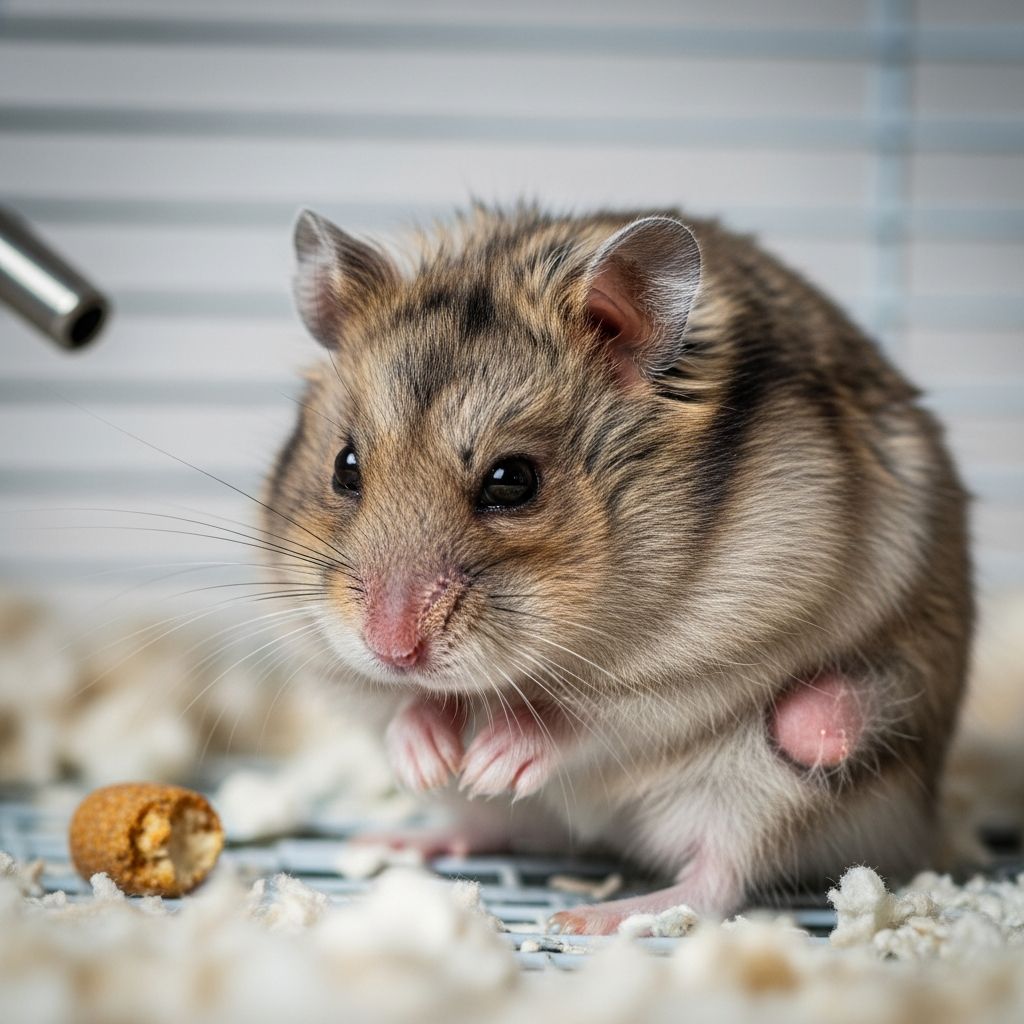
Hamsters are small, resilient pets, but they can experience health issues just like any other animal. Because of their size and tendency to hide illness, it’s crucial for hamster owners to recognize the warning signs that indicate their pet may be unwell. Early detection of health problems can make a significant difference in treatment outcomes and your hamster’s quality of life. This comprehensive guide will help you understand the various symptoms and conditions that may affect your hamster’s health.
Common Signs of a Sick Hamster
Understanding the physical and behavioral indicators of illness is the first step in protecting your hamster’s health. Hamsters may display a variety of symptoms when they’re not feeling well, and some signs are more obvious than others. Here are the key warning signs to watch for:
Behavioral Changes
Loss of appetite is often one of the first indicators that something is wrong with your hamster. Hamsters typically have consistent eating habits, so a sudden decrease in food consumption should raise concern. If your hamster is not interested in their favorite foods or is refusing to eat altogether, contact your veterinarian.
Inactivity and excessive sleeping represent another major red flag. Healthy hamsters are naturally active creatures that spend considerable time running on their exercise wheel and exploring their habitat. If your hamster appears lethargic, spends more time sleeping than usual, or lacks their normal energy levels, this may indicate illness.
Weight loss often accompanies appetite loss and can develop rapidly in small animals. Monitor your hamster’s weight regularly, and if you notice they appear noticeably thinner, this warrants veterinary attention.
Physical Appearance Changes
The condition of your hamster’s coat provides valuable insight into their health status. A dirty or matted coat suggests your hamster may not be grooming themselves properly, which often indicates illness or discomfort. Additionally, hair loss can signal various underlying conditions ranging from nutritional deficiencies to parasitic infections.
Dull, sunken eyes are a concerning sign that your hamster is not in optimal health. Healthy hamsters typically have bright, alert eyes. When eyes appear cloudy or lack their usual luster, this may indicate systemic illness.
Lumps beneath the skin should never be ignored. While filled cheek pouches are completely normal for hamsters, lumps on other areas of the body may indicate abscesses or tumors and require professional evaluation.
Pay attention to your hamster’s posture and gait. A hunched posture often indicates pain or discomfort, while difficulty walking or an abnormal gait may suggest neurological issues or other serious conditions.
Respiratory and Nasal Symptoms
Sneezing, wheezing, and labored breathing are signs of respiratory distress that require immediate attention. These symptoms may indicate bacterial or viral respiratory infections, which are relatively common in hamsters. Runny eyes or nose and discharge from the eyes, ears, or nose also suggest respiratory or systemic infection.
Healthy hamsters should breathe smoothly and quietly. Any gasping, irregular breathing patterns, or excessive respiratory effort is abnormal and warrants veterinary evaluation.
Other Warning Signs
Excessive itchiness may indicate skin parasites or fungal infections. If your hamster is scratching more than usual or has visible irritation, dermatological assessment is recommended. Shaking or shivering can indicate fever, pain, stress, or neurological issues.
Wetness in the tail area is particularly concerning, as it may indicate “wet tail,” a serious bacterial infection. Diarrhea and other changes in stool consistency or appearance are also red flags that warrant professional evaluation.
Common Hamster Ailments
Several specific conditions are frequently observed in hamsters. Understanding these common ailments can help you identify problems more quickly and seek appropriate treatment.
Hair Loss and Skin Conditions
Hair loss in hamsters can result from multiple causes. Possible underlying conditions include skin parasites, bacterial infections, fungal diseases, and allergic reactions to bedding materials. If you notice your hamster’s hair thinning or observe bald patches, veterinary consultation is essential. Your veterinarian can perform appropriate diagnostic tests to identify the specific cause and recommend targeted treatment.
Maintaining proper cage hygiene and using high-quality, dust-free bedding can help prevent many skin-related issues. Additionally, ensuring your hamster receives adequate nutrition supports healthy skin and coat condition.
Wet Tail
Wet tail is one of the most serious conditions affecting hamsters and is particularly common in longhaired and teddy bear hamster varieties. This bacterial infection causes watery diarrhea and severe dehydration. Additional signs of wet tail include matted tail fur, a hunched stance, and unusual irritability or aggression.
Wet tail progresses rapidly and can be fatal if left untreated. The condition typically results from stress factors such as transportation, overcrowding, dietary changes, or other illness. If you suspect your hamster has wet tail, seek veterinary care immediately. Treatment usually involves antibiotics and supportive care to manage dehydration.
Wounds from Fighting
Hamsters are territorial animals and may fight if housed together. These conflicts can result in bite wounds that may become infected. If you observe your hamsters fighting, separate them immediately to prevent further injury. Clean any visible wounds with a dilute antiseptic solution like Betadine and contact your veterinarian for professional assessment and treatment recommendations.
To prevent fighting injuries, house hamsters individually whenever possible. Syrian hamsters, in particular, are solitary animals and should never be housed with other hamsters.
Tumors and Abnormal Growths
Lumps and bumps on a hamster’s body can indicate various conditions, including abscesses or tumors. While it’s easy to confuse filled cheek pouches with abnormal growths, true lumps appearing in other body areas require veterinary investigation. Tumors are not uncommon in older hamsters and warrant professional diagnosis and discussion of treatment options.
Your veterinarian can determine whether growths are benign or concerning through physical examination and possibly imaging studies. Early detection of tumors can sometimes allow for treatment options that may extend your hamster’s lifespan and improve quality of life.
Respiratory Infections
Respiratory illnesses, including bacterial pneumonia, are common in hamsters. These conditions produce cold-like symptoms and can develop from exposure to other sick pets or even humans in your household. Signs include nasal discharge, coughing, wheezing, and labored breathing. In advanced cases, hamsters may refuse food and become lethargic.
Respiratory infections require prompt veterinary treatment, typically involving antibiotics for bacterial infections. However, treatment effectiveness varies, and severe cases may be fatal despite intervention. Supportive care such as maintaining proper temperature and humidity, ensuring adequate hydration, and minimizing stress can help your hamster recover.
Digestive Issues and Diarrhea
Diarrhea in hamsters can result from bacterial infections, dietary changes, or stress. Proliferative ileitis, caused by the bacterium Lawsonia intracellularis, is particularly common in young hamsters and is often triggered by stress or dietary changes. This condition progresses rapidly and can be fatal.
Salmonellosis, while less common in hamsters, is another bacterial cause of diarrhea that results in intestinal inflammation. Contaminated food or bedding from insects or wild rodents can transmit this infection. Symptoms include diarrhea, dehydration, weight loss, and a rough hair coat.
Any persistent diarrhea or changes in stool consistency require veterinary evaluation, as these conditions can rapidly lead to dangerous dehydration in small animals.
Kidney and Urinary Tract Disorders
Kidney inflammation, which worsens progressively, occurs more frequently in older hamsters and female hamsters. Hamsters with kidney disease exhibit weight loss, increased urination, and excessive thirst. These conditions may result from viral infection, high blood pressure in the kidneys, or immune system disorders.
Veterinary assessment typically includes blood and urine testing, along with imaging studies such as ultrasonography or CT scans. While some kidney conditions may be managed with supportive care, early detection is crucial for the best possible outcomes.
Overgrown Teeth
Hamster teeth continuously grow throughout their lives, and overgrown incisors indicate either that your hamster isn’t using their teeth properly or that underlying health issues are preventing normal wear. Overgrown teeth can prevent normal eating and cause pain. Your veterinarian may need to trim teeth or investigate underlying causes such as misalignment or systemic disease.
Providing appropriate chew toys and hard foods encourages natural tooth wear and helps maintain proper tooth length. Regular dental checks during veterinary visits help identify problems early.
Physical Appearance Assessment Table
| Physical Feature | Healthy Appearance | Signs of Illness |
|---|---|---|
| Coat/Fur | Soft, clean, smooth | Matted, dirty, greasy, or patchy hair loss |
| Eyes | Bright, clear, alert | Dull, sunken, or with discharge |
| Nose | Dry, clean | Runny or with discharge |
| Posture | Upright, active movement | Hunched, stiff, or difficulty walking |
| Tail | Dry, clean | Wet, matted, or soiled |
| Body Weight | Consistent, normal feel | Sudden weight loss or lethargy |
When to Seek Veterinary Care
Any observed changes in your hamster’s behavior, physical appearance, or bodily functions warrant professional evaluation. Do not delay seeking veterinary care if you notice multiple symptoms or if a single symptom persists for more than a day or two.
Some conditions, like wet tail or severe respiratory infections, require immediate emergency veterinary attention. When in doubt, contact your veterinarian for guidance on whether your hamster needs urgent evaluation.
Find a veterinarian experienced with small animals before emergencies arise. Having an established relationship with a veterinary professional ensures faster treatment when your hamster needs care.
Prevention and Wellness Tips
While some health conditions cannot be prevented entirely, several practices reduce illness risk:
- Maintain a clean, sanitary cage environment with regular bedding changes
- Provide high-quality, species-appropriate diet and fresh water daily
- Use dust-free, hypoallergenic bedding to prevent respiratory and skin issues
- Ensure proper cage temperature (between 65-75°F) and humidity levels
- Provide appropriate enrichment and exercise opportunities to reduce stress
- House hamsters individually to prevent fighting and stress-related illness
- Handle your hamster gently and minimize unnecessary stress
- Maintain distance between hamster habitats and other pets to prevent disease transmission
- Schedule regular veterinary check-ups for wellness assessment
Frequently Asked Questions
Q: How often should I examine my hamster for signs of illness?
A: Daily observation is ideal. Spend time watching your hamster’s behavior, appetite, and activity levels each day. This familiarity helps you quickly identify any changes that might indicate illness.
Q: Can hamsters catch colds from humans?
A: Yes, hamsters can contract some respiratory infections from humans. Wash your hands thoroughly before handling your hamster, and avoid close contact when you’re sick.
Q: Is it normal for hamsters to have filled cheek pouches?
A: Yes, filled cheek pouches are completely normal behavior. Hamsters use these pouches to store and transport food. However, persistent lumps in other body areas may indicate concerning conditions.
Q: What should I do if I notice my hamster has diarrhea?
A: Contact your veterinarian promptly, as diarrhea can rapidly lead to dangerous dehydration in small animals. In the meantime, ensure fresh water is available and the cage is kept clean.
Q: How can I prevent wet tail in my hamster?
A: Minimize stress through proper housing, appropriate diet, stable temperature, and gentle handling. Avoid sudden dietary changes and keep the cage clean. House hamsters individually to prevent fighting stress.
Q: What is the average lifespan of a hamster?
A: Most hamsters live 2-3 years, depending on the species. Syrian hamsters typically live 2-2.5 years, while dwarf hamsters may live 1.5-2 years. Providing excellent care can sometimes extend these lifespans slightly.
Q: Should I bathe my hamster if their coat looks dirty?
A: No, hamsters should not be bathed in water as this can cause stress and hypothermia. Instead, provide a sand bath if your hamster enjoys it, and address underlying health issues causing poor coat condition with veterinary guidance.
References
- Know the Signs of a Sick Hamster — Chewy. 2025. https://www.chewy.com/education/small-pet/hamster/signs-your-hamster-is-sick
- Disorders and Diseases of Hamsters — Merck Veterinary Manual (MSD Animal Health). 2024. https://www.msdvetmanual.com/all-other-pets/hamsters/disorders-and-diseases-of-hamsters
- Hamster Health 101 — Morningside Animal Hospital. 2024. https://www.morningsideveterinary.com/hamster-health-101/
- Signs Your Hamster May Be Sick and How to Prevent Illness — Healthy Pet. 2024. https://www.healthy-pet.com/blogs/healthy-pet-vet-blog/signs-your-hamster-may-be-sick-and-how-to-prevent-illness
- Signs Of A Sick Hamster — Clarington Animal Hospital. 2023-02-01. https://claringtonvet.ca/2023/02/01/oshawa-on-vet-signs-of-a-sick-hamster/
- Caring for Your Hamster – The Basics — PetVet Care Centers. 2023-03-30. https://www.petvetcarecenters.com/site/blog/2023/03/30/caring-for-your-hamster-the-basics
- Hamster Pet Care — Sheehy Animal Hospital. 2024. https://www.sheehyanimalhospital.com/blog/105970-hamster-care
Similar Articles








Read full bio of Sneha Tete