

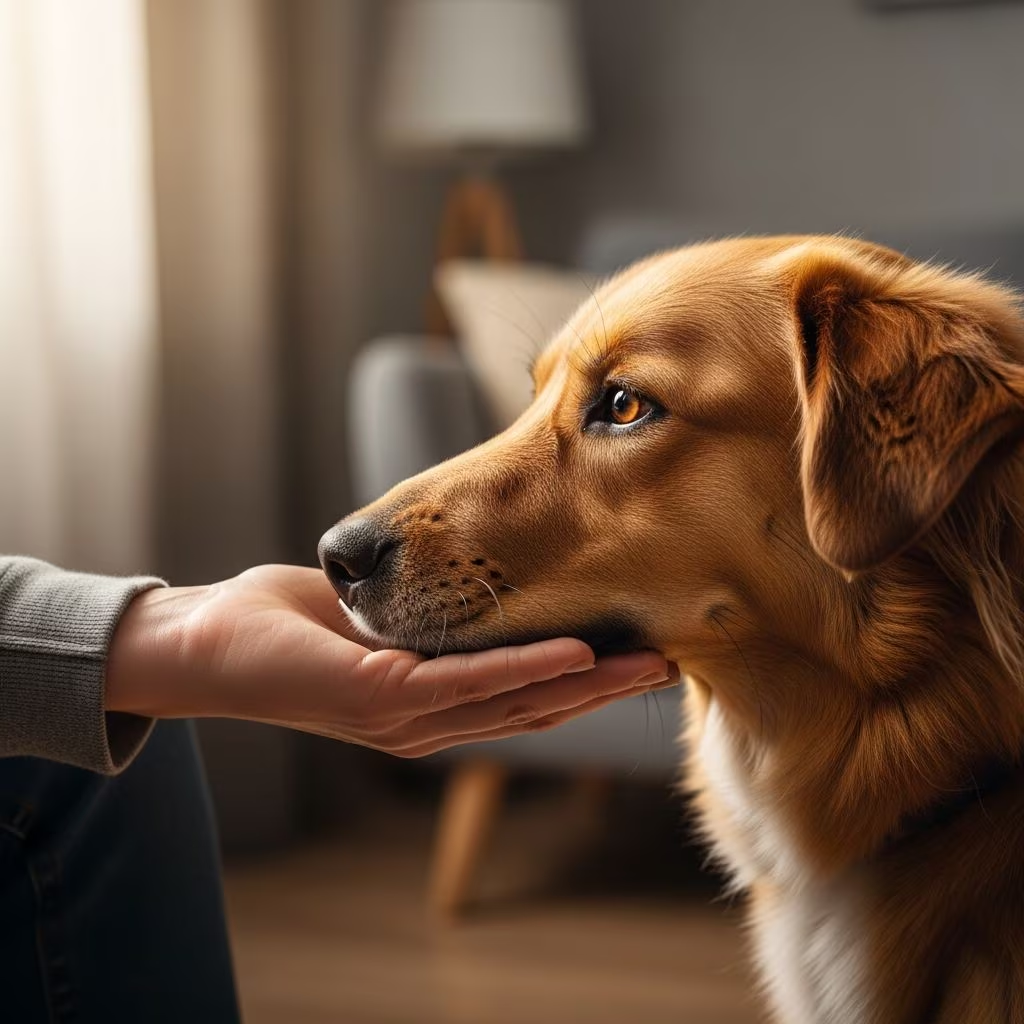
Your dog’s trust is the foundation of a strong, loving relationship. When a dog trusts you, they see you as their protector, playmate, and emotional anchor. These **10 signs** reveal profound trust, drawn from canine behavior experts and studies on dog-human bonds. Recognizing them helps you nurture that connection even further.
Why Trust Matters in the Dog-Human Bond
Dogs, descendants of wolves, form pack-like attachments with humans. Trust develops through consistency, positive reinforcement, and respect for their boundaries. A 2013 study from the University of Pisa found dogs view trusted humans as a “secure base,” similar to how children see parents—turning to you in uncertainty for reassurance.
Building trust requires patience: provide routines, gentle handling, exercise, and mental stimulation. Puppies need space to approach voluntarily, while adult dogs thrive on predictability to avoid feeling anxious about changes.
1. They Roll Over to Show Their Belly
Exposing the belly is a dog’s ultimate vulnerability signal. In the wild, the underbelly is a fatal weak spot, so rolling over only happens around those they trust completely. This isn’t just play—it’s an invitation for belly rubs and a greeting that says, “I feel safe with you.”
If your dog flops onto their back near you, especially after time apart, celebrate this gesture. Avoid forcing it; let them initiate to reinforce trust.
2. They Make Eye Contact
Sustained, soft eye contact signifies deep affection and security. Dogs release oxytocin—the “love hormone”—during mutual gazes, mirroring human parent-child bonds. Relaxed eyes (not wide or hard stares) paired with a loose posture indicate they view you as family.
Be cautious: forced staring can feel threatening. Blink slowly or look away periodically to keep it positive.
3. They Lean on You or Lie on Your Feet
Physical contact like leaning, resting their head on your lap, or parking on your feet shows they seek your presence for comfort. This “checking in” behavior means you’re their safe space—they feel secure knowing you’re nearby.
Adult dogs especially do this to affirm pack membership. If they follow you room-to-room, it’s a sign of attachment, not clinginess.
4. They Bring You Toys or “Gifts”
Dogs are often possessive of toys, yet sharing them with you demonstrates trust. Dropping a ball at your feet isn’t just play initiation—it’s entrusting their prized possession, expecting you’ll return it fairly.
This stems from pack grooming and resource-sharing instincts. Praise their generosity to encourage the behavior.
5. They Respond Eagerly to Your Call
When your dog bolts to you at the sound of their name—faster than to others—it shows imprinting. They prioritize your voice because they believe you have their best interests at heart. This quick recall reflects a bond where they value your guidance.
Training tip: Use positive reinforcement like treats or play to solidify this trust-based response.
6. They Relax Completely Around You
A trusting dog shows loose body language: soft ears, wagging tail (relaxed, full sweeps), yawns, or sighing while lounging. They sleep deeply near you, exposing flanks or belly, because they don’t fear threats.
Observe for a full-body wag reserved just for you—context matters, as stiff wags can signal caution.
7. They Look to You in Uneasy Situations
During thunderstorms, vet visits, or new environments, if your dog glances up at you with a tilted head or leans in, they seek your reassurance. This secure-base effect confirms you’re their emotional rock.
Respond calmly—pet gently or speak soothingly to validate their trust.
8. They Accept Affection Like Kisses and Cuddles
Not all dogs love hugs, but those who melt into pets, licks, or snuggles do so because they trust you won’t hurt them. Licking you back mimics pack grooming, strengthening bonds.
Respect signals: If they turn away, give space. Consent-based affection deepens mutual respect.
9. They Follow You Everywhere
Shadowing your every move—”velcro dogs”—indicates you’re their world. They check in frequently, ensuring proximity for safety. While extreme cases might signal anxiety, healthy following shows contentment in your company.
Balance with alone time to prevent separation issues.
10. They Show Playful Behaviors
Eager play bows, zoomies, or toy-chasing invitations mean they see you as a fun, safe partner. Play releases endorphins, reinforcing positive associations. A dog who initiates games trusts you’ll engage without frustration.
- Encourage with toys and short sessions.
- End on a high note to build anticipation.
Building Trust with Puppies vs. Adult Dogs
Puppies: Handle gently from birth, use treats for approaches, maintain consistent routines, and provide safe spaces. Let them come to you—rushing erodes trust.
Adult Dogs: Stick to schedules for meals, walks, and play. Sudden changes breed uncertainty. Learn body language: lip licks signal stress; relax them with predictability and exercise.
| Aspect | Puppies | Adult Dogs |
|---|---|---|
| Approach Style | Give space, reward voluntary contact | Gentle training, consistent cues |
| Key Needs | Socialization, playtime | Routine, exercise, mental stim |
| Trust Builders | Positive reinforcement | Body language reading |
Tips to Strengthen Your Dog’s Trust
- Respect Boundaries: Never force hugs or interactions—let them choose.
- Consistency is Key: Same commands, routines build predictability.
- Positive Reinforcement: Treats, praise for good behaviors.
- Quality Time: Daily walks, training, play foster bonds.
- Health Checks: Regular vet visits show care; dogs sense when you prioritize their well-being.
Signs of Trust in Rescued or Abused Dogs
For dogs with trauma, trust rebuilds slowly. Look for progress: relaxed posture, tail wags, eye contact, leaning in, willing approaches. These indicate healing—celebrate small wins with patience.
Frequently Asked Questions (FAQs)
Q: How long does it take for a dog to trust you?
A: Puppies bond quickly (weeks), adults may take months, especially rescues. Consistency speeds it up.
Q: What if my dog doesn’t show these signs?
A: They may need more time or training. Consult a vet or behaviorist to rule out health issues.
Q: Is following me everywhere always trust?
A: Often yes, but monitor for anxiety signs like pacing. Balance with independence training.
Q: Why does my dog roll over but nip during belly rubs?
A: Overstimulation—stop when they signal, resuming later builds better trust.
Q: Can multiple family members be “imprinted” on?
A: Yes, dogs form bonds with the pack. Prioritization varies by individual.
References
- Attachment bonds between domestic dogs (Canis familiaris) and humans — University of Pisa Researchers. 2013-07-01. https://doi.org/10.1371/journal.pone.0074510
- Oxytocin-gaze positive loop and the coevolution of human-dog bonds — Nagasawa et al., Science. 2015-04-17. https://www.science.org/doi/10.1126/science.1261022
- Canine Cognition and the Human Bond — American Psychological Association (via Stanley Coren). 2020. https://www.apa.org/monitor/2020/03/canines-cognition
- Signs of Secure Base in Dogs — ASPCA Behavior Resources. 2024-05-15. https://www.aspca.org/pet-care/dog-care/common-dog-behavior-issues/attachment-anxiety
- Dog Body Language Guide — AKC Canine Partners. 2025-01-10. https://www.akc.org/expert-advice/training/dog-body-language/



