

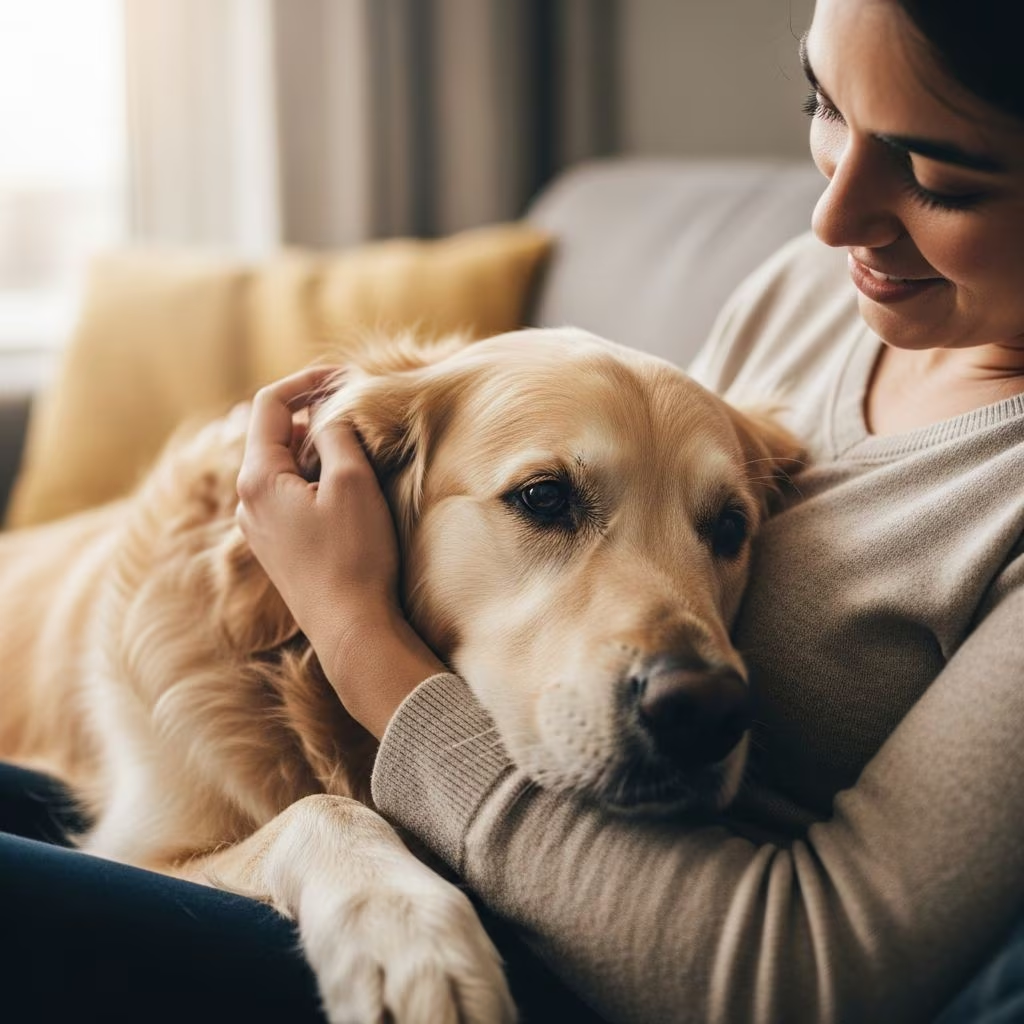
Dogs communicate trust through subtle body language, responsive behaviors, and affectionate gestures that reveal their deep emotional bond with you. Recognizing these **signs your dog trusts you** helps strengthen your relationship and ensures their well-being.
Why Trust Matters in the Dog-Human Bond
Trust forms the foundation of a healthy relationship between dogs and their owners, much like the bond between parents and children. A 2013 study from the University of Pisa found that dogs view trusted humans as a ‘secure base,’ seeking comfort in uncertain situations, similar to how human infants rely on caregivers. This attachment, often called imprinting, develops through consistent care, positive reinforcement, and respect for the dog’s boundaries.
When dogs trust you, they feel safe to be vulnerable, share resources, and follow your lead. Building this trust requires patience, routine, and understanding canine body language. Adult dogs, in particular, thrive on predictability, while puppies need gentle handling and quality time to foster security.
10 Key Signs Your Dog Trusts You
Here are the primary indicators that your dog sees you as their safe haven. These behaviors range from overt displays of vulnerability to subtle cues of reliance.
1. Rolling Over to Show Their Belly
Exposing their belly is one of the most profound **signs your dog trusts you**. In the wild, the underbelly is a fatal vulnerability, so a dog rolling onto their back in your presence signals complete relaxation and faith in your protection. This isn’t just play; it’s an invitation for gentle pets, affirming your role as a non-threatening guardian.
2. Making Relaxed Eye Contact
Dogs that hold soft, steady eye contact view you as family. This behavior releases oxytocin, the ‘love hormone,’ strengthening emotional ties. Avoid staring intensely, as it can feel threatening; instead, respond with calm blinks to reciprocate trust.
3. Leaning on You or Checking In Frequently
If your dog leans against your legs or constantly glances your way—known as ‘checking in’—they seek your reassuring presence. This mirrors pack behavior where trusted members stay close for safety. It’s especially common in imprinted dogs who see you as their primary secure base.
4. Following You Everywhere
Shadowing your every move indicates your dog feels insecure when apart and trusts you to lead. While excessive following might signal anxiety, in a relaxed context, it’s a sweet sign of attachment. Provide space to balance independence with closeness.
5. Responding Eagerly to Your Call
A dog that bolts to you at the sound of their name or your commands has imprinted deeply. They prioritize your voice over distractions, believing you guide them correctly. This responsiveness outperforms reactions to others, confirming your special status.
6. Sharing Toys or ‘Gifts’
Dogs are often possessive, but willingly dropping toys at your feet shows trust. It’s an invitation to play and a pack-grooming gesture, akin to wolves sharing with kin. Praise reinforces this bond without taking possessions forcefully.
7. Tail Wagging with Full Body Wiggle
A loose, rhythmic tail wag accompanied by a wagging rear end spells pure trust and joy. Context matters—wide, enthusiastic wags reserved for you indicate you’re their favorite person.
8. Accepting Affection Like Kisses and Cuddles
Not all dogs love hugs, but those that melt into cuddles or accept kisses do so because they trust you won’t harm them. Respect boundaries; forced affection erodes trust.
9. Sleeping Near or On You
Vulnerable during sleep, dogs that curl up beside you or on your bed see you as protector. This pack behavior ensures mutual safety, deepening your nighttime bond.
10. Relaxed Body Language Around You
Soft eyes, dropped ears, loose posture, and playful bows all scream trust. Tense muscles or avoidance signal wariness—celebrate the former with positivity.
Differences: Puppies vs. Adult Dogs
Building trust varies by age. Puppies require gentle socialization, treats for good behavior, and play to approach on their terms. Avoid overwhelming them; let them initiate contact.
Adult dogs, especially rescues, need consistent routines. Sudden changes breed unpredictability and fear. Daily walks, gentle training, and reading their cues—like yawning for stress—accelerate trust.
| Aspect | Puppies | Adult Dogs |
|---|---|---|
| Approach | Give space; use treats/play | Gentle training; routines |
| Key Needs | Socialization, stimulation | Consistency, exercise |
| Trust Building | Positive reinforcement | Body language awareness |
How to Build and Strengthen Trust
- Respect Boundaries: Never force hugs or invade space. Provide a quiet retreat spot.
- Use Positive Reinforcement: Reward with treats, praise, or scratches for desired behaviors.
- Maintain Consistency: Stick to feeding, walking, and training schedules.
- Exercise and Play: Daily activity releases endorphins, fostering security.
- Learn Body Language: Understand tail positions, ear sets, and yawns to respond empathetically.
- Be Patient: Abused dogs may take longer; look for leaning, soft eyes as progress.
Signs an Abused or Rescued Dog Trusts You
For traumatized dogs, trust rebuilds slowly. Watch for:
- Relaxed posture and tail wags.
- Voluntary eye contact and leaning.
- Following without fear.
- Approaching for pets willingly.
These subtle shifts indicate healing.
Frequently Asked Questions (FAQs)
Q: How do I know if my dog has imprinted on me?
A: Look for exclusive eye contact, following you, belly exposure, and prioritizing your commands over others. Relaxed body language confirms you’re their secure base.
Q: Why does my dog check in with me constantly?
A: They’re emotionally attached, feeling safest near you. It’s a sign of trust and love, ensuring you’re nearby.
Q: Can all dogs learn to trust humans?
A: Yes, with patience, consistency, and positive methods. Even abused dogs show progress through relaxed cues and seeking affection.
Q: Is tail wagging always a trust sign?
A: No—context is key. Relaxed, full-body wags indicate trust; stiff, high wags may mean alertness.
Q: How much time does it take to build trust with a new dog?
A: Varies by individual; puppies bond faster (weeks), adults/rescues may need months. Consistency speeds it up.
Conclusion
Spotting **signs your dog trusts you** enriches your companionship. Nurture this bond through empathy and routine for a lifetime of loyalty and joy.
References
- 7 Signs Your Dog Trusts You – How to Strengthen Your Bond — Basepaws. 2023. https://basepaws.com/blog/7-signs-your-dog-trusts-you
- 14 Sweet Signs Your Dog Trusts You with Their Life — Parade Pets. 2023. https://paradepets.com/dogs/signs-your-dog-trusts-you
- 10 Signs Your Dog Has Imprinted on You—What to Look For — Kinship. 2023. https://www.kinship.com/dog-behavior/signs-your-dog-imprinted-on-you
- 7 Signs Your Dog Imprinted On You & What It Means — Rover.com. 2023. https://www.rover.com/blog/signs-dog-imprinted-on-you/



