

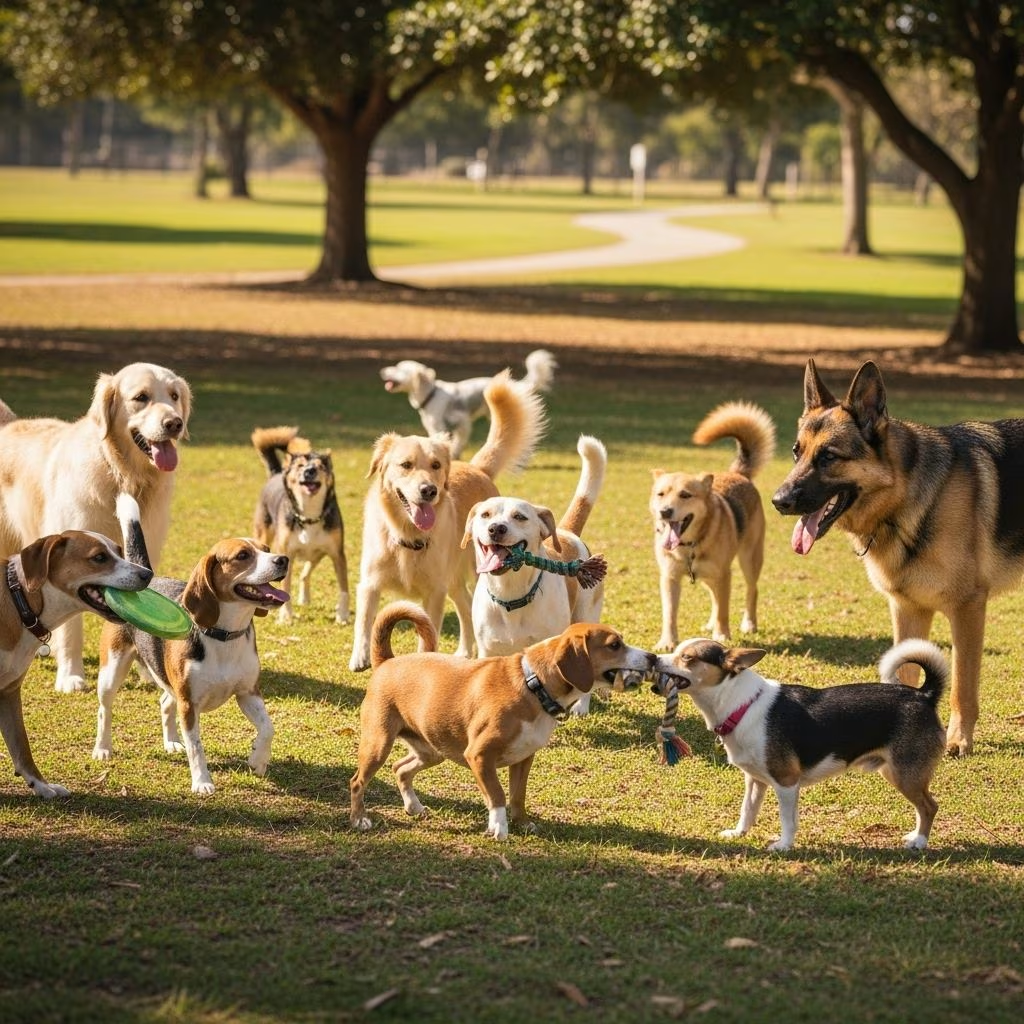
Dogs are inherently social animals, descended from pack-living wolves, and many thrive on interactions with other canines. If your dog seems restless or unhappy, it might be craving more dog friends. Recognizing these signs early can prevent behavioral issues and enhance your pup’s quality of life. This article explores common indicators of canine social needs, drawing from veterinary insights and research on dog behavior.
Why Dogs Need Dog Friends
Dogs, unlike their more solitary feline counterparts, have evolved as pack animals with a natural inclination toward social interactions. A study on resting physiology in dogs found they are less relaxed when resting alone compared to with pack members, suggesting social context plays a key role in their comfort levels. Free-ranging dogs still coordinate social lives, defending territories together, which underscores their pack-oriented nature. Socialization with other dogs provides mental stimulation, physical exercise, and emotional fulfillment, reducing stress and improving overall wellbeing.
Lack of dog-to-dog interaction can lead to boredom, anxiety, or depression-like symptoms in pets. Surveys indicate 63% of owners believe their dogs have better social lives than they do, with 54% noting tight-knit puppy friend groups that enhance happiness and quality of life. Just as humans benefit from friendships, dogs form genuine bonds that support their mental health.
1. Excessive Barking or Whining
One of the most noticeable signs is increased vocalization. If your dog barks excessively at passersby or whines when left alone, they may be trying to communicate a desire for company. This behavior often stems from frustration or loneliness, especially in breeds bred for herding or guarding that expect pack dynamics.
- At windows or doors: Staring out and barking at every dog or person signals envy for external social opportunities.
- High-pitched whining: This plaintive sound when you grab leashes but head out alone indicates disappointment over missing playtime.
Experts note that such vocalizations increase casual interactions for owners too, but for the dog, unmet needs build tension.
2. Destructive Chewing or Digging
Boredom-fueled destruction is a classic red flag. Dogs lacking outlets for energy may chew furniture, shoes, or dig in yards excessively.
- Chewed household items signal pent-up energy needing social release.
- Digging holes mimics pack behaviors like den-making, craving group activity.
Providing more dog playdates channels this instinct positively, preventing damage and promoting healthy exercise.
3. Pacing or Restlessness
Constant pacing, inability to settle, or hypervigilance suggests social isolation anxiety. Dogs may follow you room-to-room or pant excessively without physical exertion.
Research shows dogs are more alert when alone, modulated by social status in packs—high-ranking dogs especially restless without peers. This physiological response highlights the need for conspecific companionship.
4. Over-Excitement When Seeing Other Dogs
Leash reactivity—pulling, barking frantically, or jumping at the sight of other dogs—indicates suppressed social drive. Your dog isn’t aggressive; they’re overwhelmed with joy from lack of regular outlets.
- Pulling toward every dog on walks.
- Whining or ‘talking’ during encounters.
Grumpy or irritable dogs may show this more intensely, as they are keen social learners sensitive to interactions.
5. Lethargy or Withdrawal
Conversely, some dogs withdraw, sleeping excessively, ignoring toys, or avoiding affection. This depression-like state arises from chronic loneliness.
Owners report 55% of socialized dogs seem happier, with 46% noting wellbeing improvements from friendships. Isolation reverses these benefits, leading to apathy.
6. Attention-Seeking Behaviors
Pawing, nudging, or play-bowing to humans excessively compensates for missing dog interactions. While loving, it shows they’re settling for suboptimal companionship.
How to Safely Socialize Your Dog
Once signs are spotted, introduce dog friends thoughtfully to avoid issues.
Start Slow with Controlled Playdates
Choose neutral locations like fenced parks. Match energy levels and sizes. Supervise first meetings off-leash if safe.
Puppy Classes and Doggy Daycare
Structured environments teach manners. Look for vetted facilities with vaccinated dogs and trained staff.
Dog Parks: Pros and Cons
| Pros | Cons |
|---|---|
| Free play opportunities | Potential for fights |
| Socialization variety | Unpredictable temperaments |
| Exercise boost | Overstimulation risk |
Visit during off-peak hours; leave at first tension sign.
Signs of Successful Socialization
- Relaxed play bows and chasing.
- Take turns with toys.
- Appropriate greetings (sniff, disengage).
Breeds That Need More Dog Interaction
Some breeds crave company more:
- Herding breeds (Border Collies, Aussies): Need pack structure.
- Hounds: Scent-driven, love group hunts.
- Sighthounds: Built for chasing in pairs/groups.
- Social terriers: Playful energy.
Even independent breeds benefit; tailor to personality.
Health Benefits of Dog Socialization
Beyond behavior, friendships aid health. Regular play burns calories, strengthens muscles, and reduces obesity risk. Mentally, it lowers cortisol via oxytocin release during bonding. Packs provide security, modulating alertness for better rest.
Owners gain too: Dog walking fosters community ties, easing social anxiety. Couples report stronger bonds sharing dog care.
Common Mistakes to Avoid
- Forcing interactions with aggressive dogs.
- Ignoring body language (stiff tail, avoidance).
- Overlooking vaccination/health checks.
- Assuming all dogs want friends—respect introverts.
Frequently Asked Questions (FAQs)
Can all dogs benefit from more dog friends?
Most do, but assess temperament. Fearful or elderly dogs may prefer humans. Consult a vet or trainer.
How often should dogs socialize?
2-3 times weekly for high-energy pups; once suffices for mellow ones. Monitor for fatigue.
What if my dog is aggressive toward others?
Seek professional behaviorist help before group settings. Early intervention prevents escalation.
Is doggy daycare a good option?
Yes, for working owners, if reputable. Check cameras, ratios, cleaning protocols.
My dog is fine alone—do they really need friends?
Signs like destruction say otherwise. Even ‘independent’ dogs gain from balanced socialization.
Final Thoughts
Spotting signs your dog needs more friends empowers you to enrich their life. Safe socialization fosters joy, health, and stronger human-dog bonds. Observe, act thoughtfully, and watch your pup thrive.
References
- 6 Ways Your Dog Improves Your Social Life — Kinship. 2023. https://www.kinship.com/dog-lifestyle/ways-your-dog-improves-your-social-life
- Social Context Influences Resting Physiology in Dogs — PMC (Animals Journal). 2020-11-30. https://pmc.ncbi.nlm.nih.gov/articles/PMC7760264/
- 63% of People Think Their Dog Has a Better Social Life Than They Do — Kinship. 2023. https://www.kinship.com/news/dogs-socializing-survey
- Your Grumpy Dog Is Very Smart—Science Says So — Kinship. 2021. https://www.kinship.com/dog-behavior/grumpy-dog-intelligence-study
- Social Context Influences Resting Physiology in Dogs (duplicate for emphasis) — PMC. 2020-11-30. https://pmc.ncbi.nlm.nih.gov/articles/PMC7760264/



