

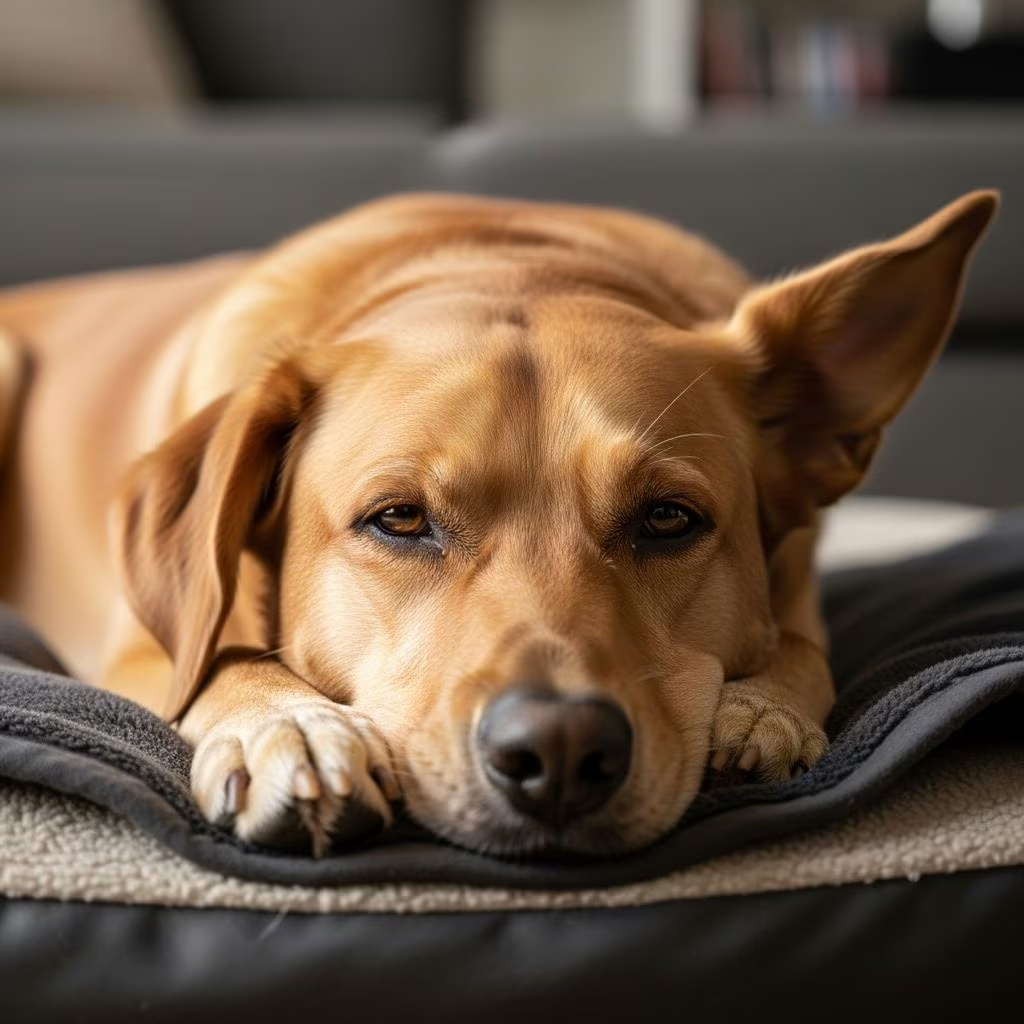
Dogs require substantial sleep to maintain their physical health, mental sharpness, and overall happiness. Adult dogs typically need 12-14 hours of sleep per day, including naps, while puppies and seniors may need up to 18-20 hours. When dogs don’t get enough quality sleep, it manifests in noticeable behavioral and physical changes. Understanding these **signs of sleep deprivation** can help you intervene early, preventing long-term health issues like weakened immunity or behavioral problems.
Sleep deprivation in dogs often stems from environmental disruptions, medical conditions, or lifestyle factors. This article explores the common indicators, underlying causes, and practical solutions to ensure your dog gets restorative rest.
How Much Sleep Do Dogs Need?
The amount of sleep a dog needs varies by age, breed, and activity level. Puppies and young dogs require the most sleep for growth and development, often sleeping 18-20 hours daily in short bursts. Adult dogs average 12-14 hours, with larger breeds tending toward the higher end due to their energy expenditure. Senior dogs may need 14-18 hours as their metabolism slows and recovery takes longer.
Quality matters as much as quantity. Dogs cycle through light sleep, deep sleep, and REM stages, similar to humans. Interruptions prevent deep restorative phases, leading to daytime fatigue. Factors like exercise, diet, and environment influence sleep cycles. Insufficient sleep impairs cognitive function, memory consolidation, and mood regulation, making it essential to monitor patterns.
Signs Your Dog Isn’t Sleeping Enough
Dogs can’t verbalize tiredness, but their actions speak volumes. Watch for these key **signs of sleep deprivation in dogs**, which often cluster together:
- Restlessness and Pacing: A sleep-deprived dog paces endlessly or shifts positions repeatedly, unable to settle. This stems from discomfort or unmet sleep needs, preventing deep rest.
- Sudden Awakening or Frequent Waking: Nighttime jolts or multiple awakenings indicate disruptions like noise, pain, or sleep apnea. Dogs may whine, bark, or seem disoriented upon waking.
- Lethargy or Irritability: Daytime sluggishness, reduced playfulness, or uncharacteristic grumpiness signals poor overnight recovery. Some dogs hyperactive as compensation.
- Excessive Grooming or Licking: Repetitive paw-licking or self-biting arises from stress-induced anxiety due to fatigue.
- Changes in Appetite: Sleep loss alters hunger signals; dogs may skip meals or overeat for comfort, leading to weight fluctuations.
- Mood and Behavior Shifts: Increased anxiety, reactivity, mouthing, barking, or withdrawal. Over-excitability in puppies often masks overtiredness.
- Physical Symptoms: Dull coat, droopy eyes, morning stiffness, or frequent illnesses from a compromised immune system.
- Excessive Daytime Napping: Non-stop snoozing during the day compensates for poor nighttime sleep.
Common Causes of Sleep Deprivation in Dogs
Several factors disrupt canine sleep. Identifying the root cause is crucial for effective solutions.
Environmental Disruptions
Noisy households, uncomfortable bedding, or temperature extremes prevent settling. Older dogs or those with joint issues need orthopedic support to avoid pain-induced awakenings.
Medical Conditions and Sleep Disorders
Sleep disorders affect dogs similarly to humans. Common ones include:
| Disorder | Signs | Causes/Risks |
|---|---|---|
| Insomnia | Pacing, whining, daytime fatigue | Anxiety, pain, cognitive dysfunction, allergies |
| Sleep Apnea | Loud snoring, jolting awake, tiredness | Obesity, brachycephalic breeds (e.g., Bulldogs) |
| Narcolepsy | Sudden collapses, fragmented sleep | Genetic, often in young dogs |
| REM Sleep Behavior Disorder | Violent movements, vocalizing during sleep | Unknown; starts young, lifelong management |
Other issues like heart disease cause coughing and twisting, while arthritis leads to stiffness. Cognitive dysfunction in seniors disrupts patterns with confusion.
Lifestyle Factors
Over-stimulation from lack of routine, insufficient exercise, or high stress elevates cortisol, hindering sleep. Puppies overtired from play show mouthing or hyperactivity.
Health Impacts of Poor Sleep in Dogs
Chronic sleep loss weakens the immune system, increasing infection risk and slowing healing. Mentally, it impairs memory, learning, and mood, causing frustration or aggression. Physically, it exacerbates joint pain, obesity, and heart strain. In puppies, it stunts growth; in seniors, it accelerates decline.
How to Help Your Dog Sleep Better
Improving sleep starts with observation and adjustments.
- Create a Sleep Sanctuary: Provide a quiet, dark, cool space with an orthopedic bed for joint support.
- Establish Routines: Consistent bedtime, dinner, and exercise schedules signal rest time.
- Exercise Appropriately: Daily walks and play tire the body without over-stimulation, especially before bed.
- Diet and Weight Management: Balanced nutrition prevents obesity-linked apnea; avoid late meals.
- Reduce Stress: Calming aids like pheromone diffusers for anxious dogs.
- Monitor with Tech: Wearables track sleep patterns for anomalies.
When to See a Vet
Consult a veterinarian if signs persist despite changes, or if accompanied by snoring, breathing issues, limping, or sudden behavior shifts. Rule out pain, allergies, or disorders like apnea—emergencies include blue gums or non-restarting breathing. Early intervention prevents escalation.
Frequently Asked Questions (FAQs)
Why is my puppy so restless at night?
Puppies often overtire from play, leading to restlessness, mouthing, or barking. Enforce naps and wind-down routines.
Can sleep deprivation cause aggression in dogs?
Yes, irritability from fatigue lowers frustration tolerance, mimicking aggression. Improved rest usually resolves it.
How do I know if my dog has sleep apnea?
Look for snoring, gasping awakenings, and daytime sleepiness. Vet evaluation, especially for obese or flat-faced breeds.
Is excessive daytime sleeping normal?
Occasional naps are fine, but all-day sleeping with nighttime issues signals poor quality rest.
What bedding helps dogs sleep better?
Orthopedic foam beds support joints, reducing pain and restlessness for better deep sleep.
By recognizing these signs and addressing causes, you can help your dog achieve vital restorative sleep, enhancing their vitality and companionship.
References
- What Causes Sleep Deprivation in Dogs? — Noble Vet Clinic. 2023. https://noblevetclinic.com/blog/what-causes-sleep-deprivation-in-dogs
- Understanding the Signs of Sleep Deprivation in Dogs — Supertails. 2023. https://supertails.com/blogs/posts/understanding-the-signs-of-sleep-deprivation-in-dogs
- 4 Most Common Sleep Disorders in Dogs — PetMD. 2024-01-14. https://www.petmd.com/dog/general-health/most-common-sleep-disorders-dogs
- 5 Signs Your Dog Isn’t Getting Quality Sleep — Big Barker. 2023. https://bigbarker.com/blogs/health/5-signs-your-dog-isn-t-getting-quality-sleep
- 10 Signs Your Dog Needs to Sleep — Adolescent Dogs. 2023. https://www.adolescentdogs.com/post/10-signs-your-dog-needs-to-sleep
- What Your Dog’s Sleep Pattern Says About Its Health — PetPace. 2023. https://petpace.com/what-your-dogs-sleep-pattern-says-about-its-health/



