

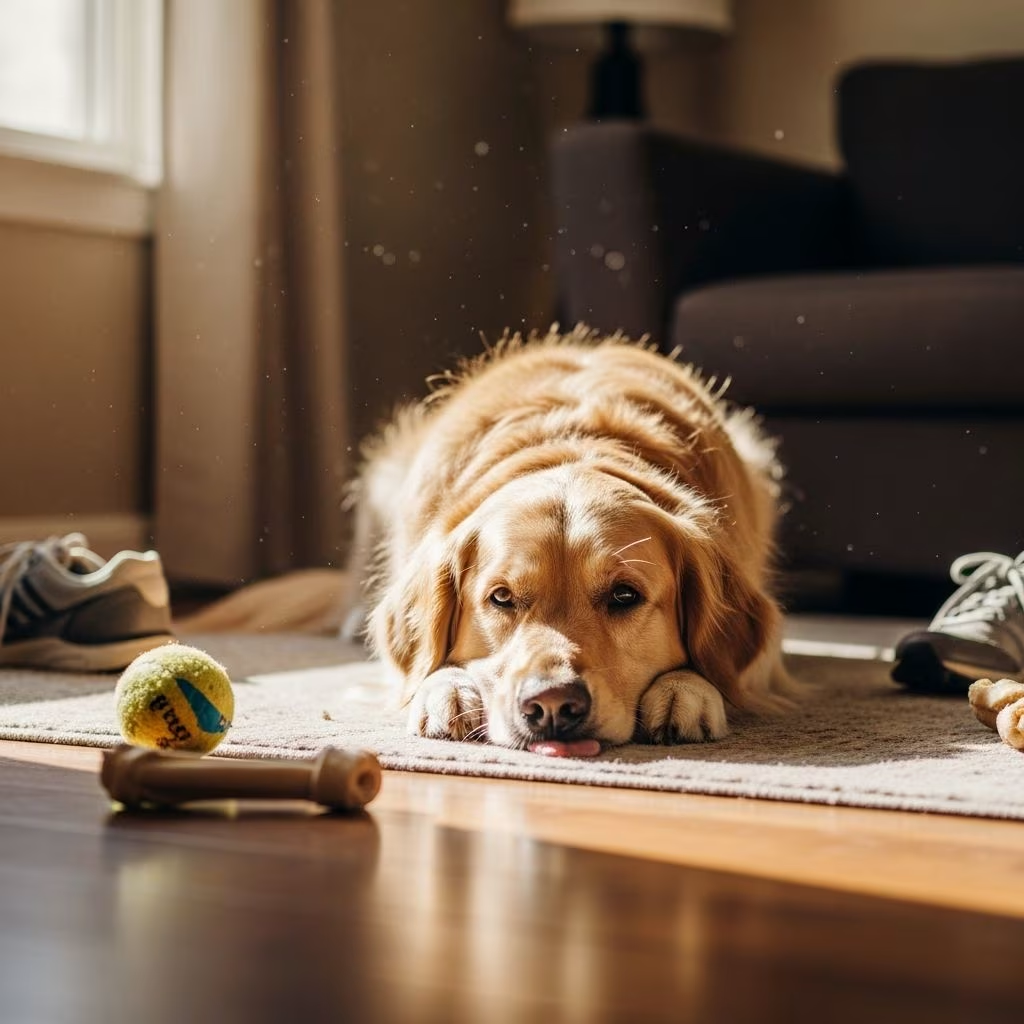
Signs Your Dog Isn’t Getting Enough Exercise
Dogs require regular physical activity to maintain optimal health, both physically and mentally. When your dog doesn’t receive adequate exercise, the consequences can manifest in various ways—from behavioral issues to serious health complications. Understanding these warning signs is crucial for pet owners who want to ensure their companions live happy, healthy lives.
Weight Gain
One of the most visible signs that your dog isn’t getting enough exercise is weight gain. When dogs don’t burn the calories they consume, this energy imbalance can lead to excess weight accumulation, particularly in breeds already prone to weight issues. Excess weight places significant strain on your dog’s joints and reduces their overall energy levels.
Beyond the immediate physical discomfort, obesity in dogs can lead to long-term health complications including diabetes, heart disease, and joint pain. If you notice your dog gaining weight despite maintaining a consistent diet, increasing their daily exercise routine should be a priority. It’s important to monitor your dog’s body condition regularly and consult with your veterinarian about appropriate weight management strategies.
Destructive Behavior
When dogs have pent-up energy with nowhere to channel it, they often resort to destructive behaviors as an outlet. Coming home to find your furniture chewed, your shoes destroyed, or your cushions torn apart can be frustrating, but these behaviors are actually your dog’s way of communicating that they need more physical and mental stimulation.
Research demonstrates that dogs receiving more enriching activities experience a significant reduction in destructive behaviors such as chewing furniture, digging, and scratching. By increasing your dog’s daily exercise and providing mental stimulation through activities like puzzle toys, training sessions, or interactive games, you can substantially reduce these unwanted behaviors. This creates a win-win situation for both you and your pet.
Hyperactivity and Excessive Energy
If your dog seems overly excited constantly, running around the house at odd hours, or displaying sudden bursts of uncontrolled energy known as \”the zoomies,\” this could indicate they have too much pent-up energy. Dogs who can’t expend their energy or quiet their minds often struggle to settle down and relax.
This constant state of high arousal can manifest in several ways, including rough playing, excessive barking, attention-seeking behaviors, pulling on the leash, and pacing back and forth. These manifestations make daily life stressful for both you and your dog. Additionally, this hyperactivity can make training more challenging and lead to behavioral issues such as reactivity toward other dogs or people. Dogs that continue walking around at the end of the day instead of settling into their bed are likely not tired enough and would benefit from additional activities designed to exhaust them.
Increased Vocalization
Another common effect of insufficient exercise is increased vocalization, including excessive whining and barking. Dogs communicate through vocalizations, and when their exercise needs aren’t met, they may whine or bark to express frustration, restlessness, or to get your attention. Additionally, dogs that aren’t adequately exercised tend to be on higher alert and more reactive to environmental triggers such as the mail carrier, passing cars, or neighborhood sounds.
This heightened state of alertness can turn minor disturbances into major reactions. Understanding that excessive vocalization is often linked to unmet exercise needs helps pet owners address the root cause rather than simply managing the symptom.
Sluggishness and Depression
Conversely, some dogs respond to insufficient exercise by becoming withdrawn and lethargic. Just like people, dogs can experience depressive moods when their physical and mental needs aren’t met. When dogs aren’t engaging in activities they love or moving their bodies regularly, they miss out on the endorphins that create feelings of well-being and happiness.
Without sufficient physical stimulation, dogs may appear disinterested in play, sleep excessively, withdraw from family interactions, or show a general lack of enthusiasm for activities they previously enjoyed. This emotional slump can lead to more serious mental and physical health issues if left unaddressed. In some cases, this depression can trigger emotional eating, where dogs overeat as a coping mechanism—further contributing to weight gain.
Soreness and Stiffness
A surprising sign that your dog isn’t getting enough exercise is when they start having difficulty performing routine movements. Dogs with joint issues or senior dogs may struggle to jump on the couch, climb stairs, or rise from a resting position. While it might seem counterintuitive, dogs who don’t move enough can actually become stiff and sore.
Without regular activity, muscles weaken and joints become tighter, creating a cycle of reduced mobility that can lead to chronic pain if left unaddressed. This discomfort makes dogs less likely to move, perpetuating the problem. The good news is that gentle, consistent exercise can improve flexibility, strengthen muscles, and reduce stiffness. Regular movement also supports joint health by promoting circulation and mobility, which is why even senior dogs benefit from daily, appropriately-paced activity.
Rough or Out-of-Control Play
While some dogs naturally have a more playful or rough-and-tumble personality, excessive roughness or lack of self-control during play can indicate too much stored energy. Dogs with pent-up energy may play too hard, become overly mouthy, or display unpredictable behavior that makes socialization with other people and pets difficult.
This behavioral pattern can lead pet parents to isolate their dogs from social situations because the dog’s behavior becomes unreliable or potentially dangerous. Providing adequate daily exercise helps dogs burn excess energy in controlled ways, allowing them to interact more appropriately with other animals and people.
Anxiety and Stress
Anxiety is another significant sign that your dog isn’t receiving enough physical attention and exercise. Studies show that under-exercised dogs are more likely to feel stressed, especially in unfamiliar or overstimulating environments. Symptoms of anxiety may include trembling, excessive licking, compulsive behaviors, barking, whining, or attempts to escape.
Over time, chronic anxiety can take a toll on your dog’s overall health and make it harder for them to feel safe and secure. The relationship between exercise and anxiety is well-established: regular physical activity helps regulate stress hormones and promotes mental calm. Ensuring your dog gets adequate exercise is one of the most effective ways to reduce anxiety-related behaviors.
Tips for Safe and Effective Exercise
Understanding the signs of insufficient exercise is only part of the solution. Pet owners also need to know how to implement safe and effective exercise routines for their individual dogs.
Adjust for Age and Health Status
Older dogs and obese dogs need to move at a slower pace than young or high-energy dogs. Work with your veterinarian to develop an exercise plan that’s appropriate for your dog’s age, breed, size, and any existing health conditions. A senior dog may benefit more from multiple short walks than one long, strenuous session.
Monitor Weather Conditions
Always consider the weather before exercising your dog. Avoid exercising in the hottest part of the day, especially during summer months. Dogs can overheat quickly, even on short walks, and overheating can be life-threatening. Similarly, cold weather and ice can be challenging for some dogs, so adjust your exercise routine seasonally.
Provide Adequate Hydration
Always bring fresh water on walks or outdoor play sessions, and offer your dog water breaks during and after exercise. Proper hydration is essential for maintaining your dog’s health and preventing dehydration, especially during vigorous activities.
Listen to Your Dog
Pay close attention to your dog’s signals during exercise. Limping, slowing down, heavy panting, reluctance to continue, or other signs of distress indicate it’s time to stop and reassess your exercise plan. Every dog has different physical capabilities, and it’s important to respect your individual dog’s limitations.
Frequently Asked Questions (FAQs)
Q: How much exercise does my dog need daily?
A: The amount of exercise needed varies by breed, age, and health status. Most adult dogs benefit from 30 minutes to 2 hours of exercise daily. Puppies and high-energy breeds may need more, while senior dogs may need less. Consult your veterinarian for personalized recommendations.
Q: What types of exercise are best for my dog?
A: Combine different types of exercise including walks, running, swimming, fetch, agility training, and puzzle toys. Mental stimulation is just as important as physical exercise, so include training sessions and interactive games in your dog’s routine.
Q: Can I exercise my dog too much?
A: Yes, excessive exercise, particularly in puppies or senior dogs, can cause injury or strain. Balance activity with adequate rest, and watch for signs of overexertion such as limping or excessive panting. Always consult your veterinarian about appropriate exercise levels.
Q: My dog seems lazy and uninterested in exercise. What should I do?
A: Lack of interest in exercise can indicate depression, health issues, or simply that your dog hasn’t found an activity they enjoy yet. Try different types of exercise, play styles, or environments. If disinterest persists, consult your veterinarian to rule out underlying health problems.
Q: How can I tell if my dog is overweight?
A: You should be able to feel your dog’s ribs easily without pressing hard, see a visible waist when viewed from above, and notice an abdominal tuck when viewed from the side. If you’re unsure, ask your veterinarian for a body condition assessment.
Q: Are there indoor exercise options for bad weather?
A: Yes, indoor options include playing fetch in hallways, using puzzle toys, practicing obedience training, playing hide-and-seek with treats or toys, and using treadmills designed for dogs. Mental stimulation through training and enrichment activities also counts toward daily exercise needs.
Q: How can I help my anxious dog through exercise?
A: Regular, consistent exercise helps reduce anxiety by regulating stress hormones and promoting mental calm. Start with shorter, calmer activities and gradually increase intensity as your dog becomes more comfortable. Combine exercise with positive reinforcement training and create a predictable routine.
References
- 8 Signs Your Dog Isn’t Getting Enough Exercise — Rover.com. 2024. https://www.rover.com/blog/signs-that-your-dog-isnt-getting-enough-exercise/
- 4 Signs Your Dog Isn’t Getting Enough Exercise — KONG Company. 2024. https://www.kongcompany.com/4-signs-your-dog-isnt-getting-enough-exercise/
- Signs that a Dog Needs More Exercise — Animal Osteopathy College. 2024. https://www.animalosteopathycollege.com/blog/signs-that-a-dog-needs-more-exercise
- Signs Your Pet Isn’t Getting Enough Exercise — Marina Bay Animal Hospital. 2024. https://marinabayanimalhospital.com/signs-your-pet-isnt-getting-enough-exercise/
- Signs that Your Dog Needs More Activity — Kenmore Veterinary Clinic. 2024. https://kenmorevet.com/signs-that-your-dog-needs-more-activity/
- How Much Exercise Does a Dog Need Every Day? — American Kennel Club (AKC). 2024. https://www.akc.org/expert-advice/health/how-much-exercise-does-dog-need/



