

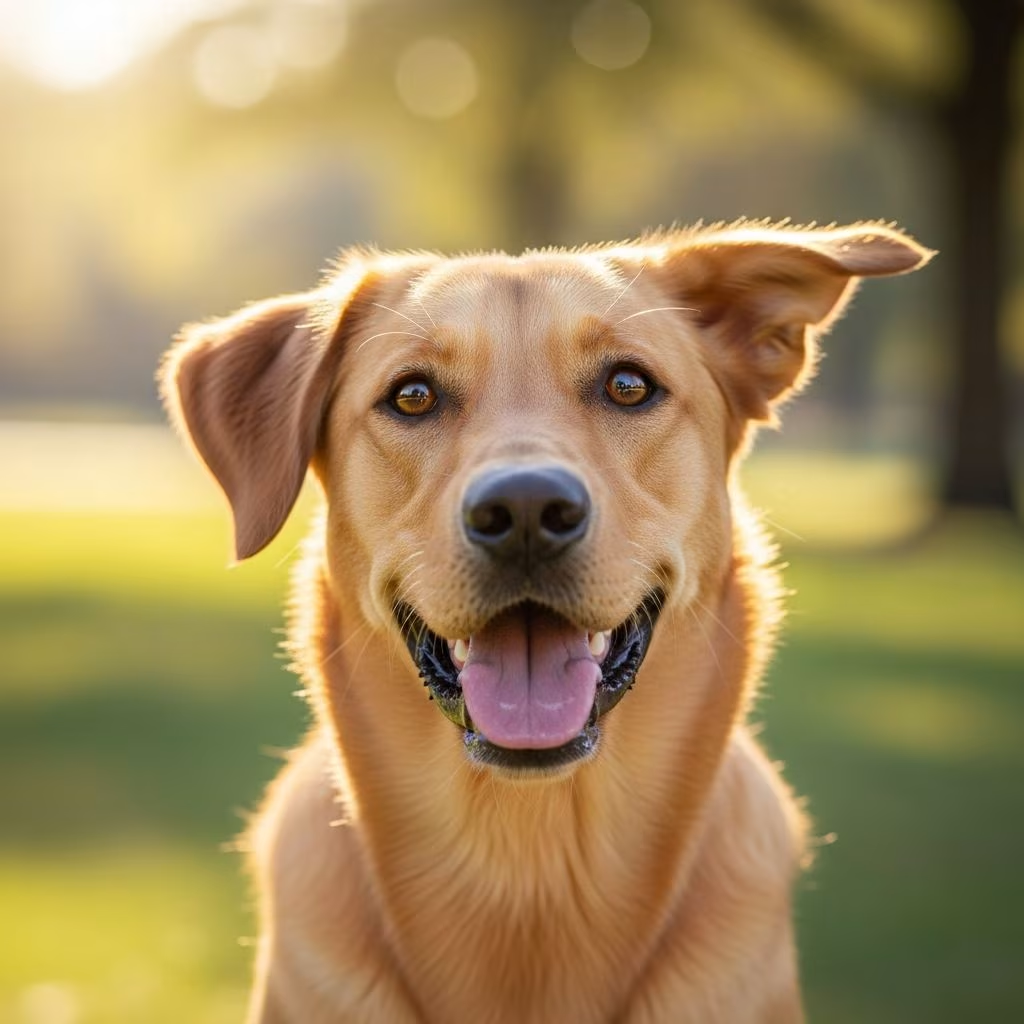
Your dog’s health is a top priority, and recognizing the hallmarks of vitality can help you ensure they’re living their best life. While every dog is unique, certain consistent indicators signal that your furry companion is in excellent shape. From physical appearance to behavior and daily habits, these 10 signs, backed by veterinary insights, reveal a thriving pup. Regular check-ups complement these observations, but knowing what to look for empowers you as a pet parent.
Guitar-shaped body
A hallmark of canine fitness is the “guitar-shaped” or hourglass body condition, where the waist tapers visibly from the ribcage to the hips. This ideal silhouette indicates balanced weight management, crucial since over 60% of U.S. dogs are overweight or obese, raising risks for cardiovascular disease, joint issues, diabetes, and more. Veterinarians like Dr. Canaan Shores from the University of Illinois College of Veterinary Medicine emphasize that excess fat strains the heart, lungs, kidneys, and musculoskeletal system, mirroring human obesity complications.
To assess, run your hands along your dog’s sides: you should feel the ribs with slight fat covering, but not see them prominently unless breed-specific (e.g., Greyhounds). Viewed from above, an upward stomach curve from chest to rear confirms leanness. Breeds vary—labradors need less visible waist than whippets—but the rib palpation test is universal. Maintain this with portion-controlled, high-quality diet, daily exercise (30-60 minutes of walks, play, or fetch), and annual vet weigh-ins. Overweight dogs face shortened lifespans; proactive monitoring prevents this.
Clean face
A bright, clean face free of discharge, redness, or crustiness around eyes, nose, and mouth reflects robust immune function and hygiene. Healthy eyes are clear, moist, with white sclera and no squinting or tearing. The nose should be moist (not dry/cracked) and free of excessive mucus. Mouth interiors reveal pink gums without ulcers or foul breath.
Cleanliness prevents infections; wipe faces daily, especially for flat-faced breeds like Pugs prone to tear staining. Discharge might signal allergies, infections, or dry eye—prompt vet attention avoids escalation. Regular grooming and dental care keep the face pristine, underscoring overall hygiene.
Smooth, shiny coat
Nothing says health like a glossy, smooth coat that lies flat without dullness, flakes, or bald patches. This reflects optimal nutrition, hydration, skin health, and grooming. Omega-3 fatty acids from fish oil promote shine, while parasites or allergies cause dullness/itching.
Brush weekly to distribute oils, check for fleas/ticks, and monitor shedding—excessive loss signals thyroid issues or poor diet. A vibrant coat bounces back quickly post-shed, indicating robust dermal barriers against environmental stressors.
Tartar-free teeth
White teeth with minimal tartar, healthy pink gums, and fresh breath are dental health gold standards. Periodontal disease affects 80% of dogs by age three, leading to pain, tooth loss, and bacteria spreading to organs.
Daily brushing with enzymatic toothpaste, dental chews, and professional cleanings maintain this. Signs of trouble: bad breath, loose teeth, drooling. Healthy mouths support nutrition absorption and pain-free eating.
No strange odors, lumps, or bumps
Absence of foul smells from ears, skin, or breath, plus no growing lumps/bumps, signals wellness. Mild doggy odor is normal post-play, but persistent stench indicates ear infections, dental decay, anal gland issues, or skin folds harboring bacteria. Rapidly enlarging lumps warrant biopsies to rule out tumors.
Weekly full-body checks catch issues early. Clean ears gently, express glands if needed, and vet any anomalies. Cleanliness here prevents chronic conditions.
Steady energy levels
Consistent vigor for age-appropriate activities—playful puppies zooming, seniors steady on walks—defines health. No sudden lethargy, reluctance to move, excessive panting post-light exercise, limping, or favoring sides. Dr. Verdino notes abrupt drops signal illness; gradual senior slowdowns might be arthritis or metabolism shifts, still vet-worthy.
Match energy to breed/life stage: Border Collies boundless, Bulldogs mellow. Daily routines build stamina; deviations prompt bloodwork or X-rays.
Curiosity and alertness
Engaged dogs sniff eagerly, react to sounds, greet people/dogs warmly, without zoning out, anxiety, or aggression shifts. Dullness or withdrawal hints at pain, organ disease, cognitive decline (CCD in seniors), or depression. Subtle cues: sleeping spot changes or reduced toy interest.
Alertness shows neurological health; enrich environments with puzzles/toys to sustain it. Seniors pacing or disoriented? Rule out dementia.
Regular appetite and digestion
Steady enthusiasm for meals, normal water intake, firm stools, predictable elimination without accidents, straining, blood, or frequency changes indicate GI harmony. Appetite drops signal dental pain, nausea, kidneys; polydipsia/polyuria diabetes/UTIs/Cushings.
Stools: log-shaped, chocolate-brown, minimal odor. House soiling in trained dogs screams vet visit. Consistent high-fiber/protein diets stabilize this.
Clear eyes and healthy ears
Building on clean face: eyes white/clear, pupils reactive, no cloudiness (cataracts); ears pink, odor-free, no waxy buildup/scratching. These gateways to senses must function flawlessly. Infections spread fast—clean ears weekly, eye rinses for breeds with prominent eyes.
Normal breathing and heart rate
Smooth, quiet respirations at rest (10-30/min), no coughing/wheezing; palpable steady heartbeat (60-160 bpm) without murmurs. Exercise tolerance without distress confirms cardio-pulmonary fitness. Obesity exacerbates; monitor post-play recovery.
Frequently Asked Questions (FAQs)
What is a “guitar-shaped” body in dogs?
A tapered waist visible from above, ribs palpable under slight fat, with an abdominal tuck—ideal body condition score 4-5/9.
How often should I check my dog for lumps?
Weekly during grooming; any growth >1cm or changing needs vet eval.
Is some shedding normal?
Yes, seasonally; excessive daily loss or bald spots isn’t.
When to worry about energy levels?
Sudden changes or gradual senior decline—vet for underlying issues.
What causes bad breath in healthy-looking dogs?
Often dental disease; brush daily, vet cleanings prevent.
References
- 10 Signs Your Dog Is Healthy — Kinship. 2023. https://www.kinship.com/dog-health/signs-your-dog-is-healthy
- Canine Cognitive Dysfunction — University of Illinois College of Veterinary Medicine (via Kinship). 2023. https://www.kinship.com/dog-health/canine-dementia-signs-symptoms-treatments
- Signs and Symptoms Your Dog Is Sick — Pets Best Insurance. 2024. https://www.petsbest.com/blog/im-not-naughty-im-sick
- How to Tell if Your Dog Is in Pain — Kinship. 2023. https://www.kinship.com/dog-behavior/dog-in-pain
- Obesity in Dogs — Association for Pet Obesity Prevention. 2024. https://www.petobesityprevention.org/



