

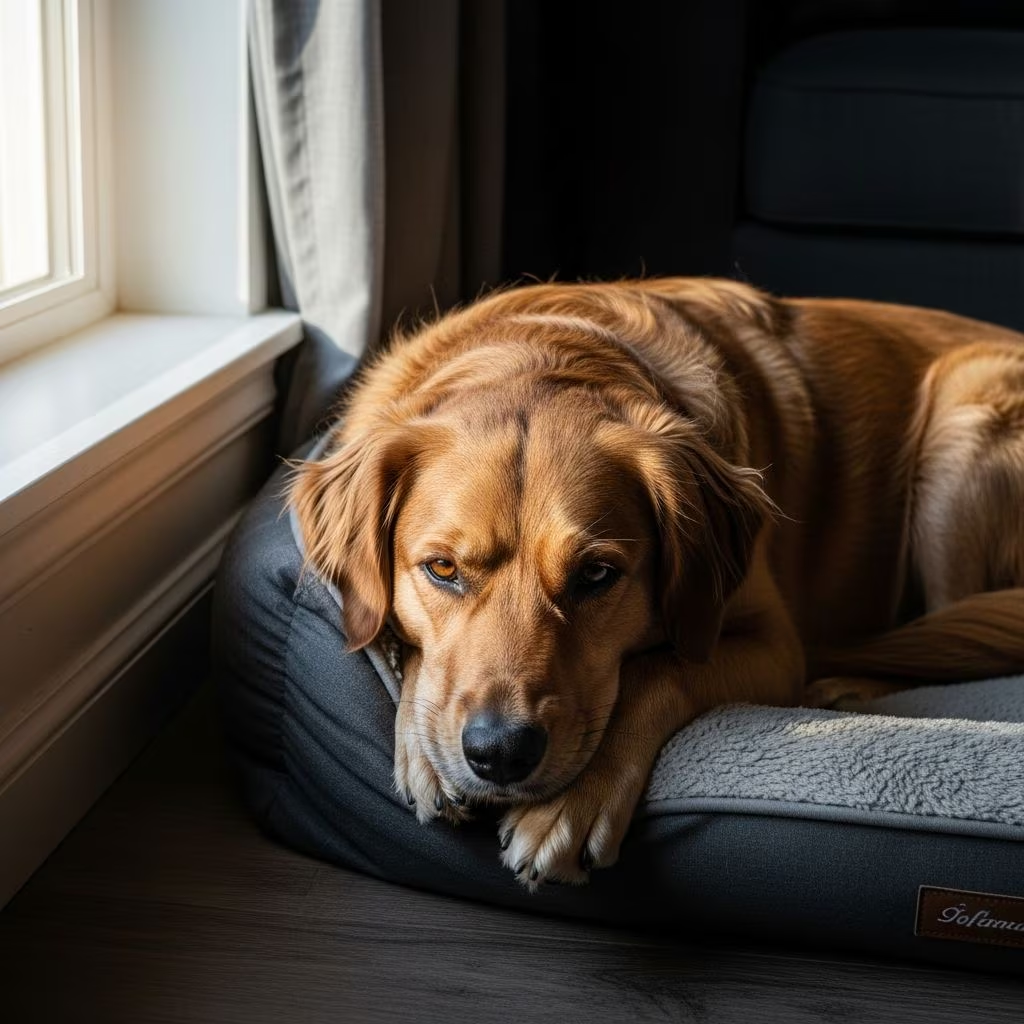
Just like humans, dogs exhibit a spectrum of personalities, ranging from outgoing extroverts to reserved introverts. An introverted dog thrives in quieter environments and may prefer solitude over constant social interaction. Recognizing these traits helps owners provide the right support, ensuring their pet feels secure and happy. This article explores eight key signs of introversion in dogs, drawing from expert observations by certified trainers and veterinarians.
Introversion in dogs isn’t a flaw—it’s a natural temperament. As Becky Mathia, CPDT-KA from Wayside Waifs, notes, introverted dogs establish healthy boundaries by retreating from overwhelming stimuli. Unlike anxiety or poor socialization, which require intervention, introversion is simply how some dogs are wired. Understanding this distinction prevents owners from forcing unwanted interactions, which can lead to stress.
They Get Overwhelmed Easily
Introverted dogs reach their social limit faster than others in busy or novel settings. Trainer Haussman emphasizes that this overwhelm differs from nervousness; it’s a normal response to overstimulation. Watch for subtle cues like crouched posture, excessive panting, lip licking, or yawning outside of tiredness—these signal a need for a break.
Forcing an introverted dog into repeated uncomfortable situations, such as passing them around at parties, only heightens stress. Instead, observe their body language and remove them promptly. Dogster’s vet-reviewed guide confirms that new situations like dog parks often trigger anxiety in introverts, with ears pinned back or hiding behind owners.
To manage this, gradually expose them to low-pressure environments. Start with short, quiet walks, building confidence without exhaustion. Over time, this respects their energy levels while preventing avoidance behaviors from solidifying.
They Like Their Alone Time
A hallmark of introversion is craving solitude to recharge. Your dog might retreat to a corner, crate, or another room after interactions, signaling a need for decompression. This mirrors human introverts who need downtime post-socializing.
PetHelpful identifies preferring solitude over socialization as a top sign, where dogs opt for quiet observation rather than engagement. VitaPet adds that introverts become anxious after routine changes, underscoring their comfort in predictable alone time. Respect this by providing a safe, quiet space equipped with familiar bedding or toys.
Ensure alone time isn’t isolation—balance it with gentle one-on-one bonding. Enrichment like puzzle toys keeps them mentally stimulated without social demands. Owners report happier dogs when solitude is honored as a preference, not a problem.
They Don’t Show Interest in Other Dogs
Not all dogs are pack animals at heart. Introverts often stand aloof at dog parks, watching play from the sidelines rather than joining. Wag! notes they seem disinterested or prefer solo activities like fetching a ball.
This reserve isn’t antisocial—it’s selective energy conservation. Haussman advises concern only if it impacts daily life, like homebound anxiety, warranting a behavior specialist. Otherwise, skip crowded dog meetups; opt for solo walks or playdates with known, calm dogs.
AskAVet describes introverts as observant at events, sticking to perimeters. Foster this by arranging controlled interactions, allowing your dog to engage on their terms. This builds positive associations without overwhelm.
They Get Social Fatigue Quickly
Socializing drains introverts faster, much like a busy day leaves humans ‘peopled out’. After playdates or group walks, they crash hard, needing extended recovery. Dogster highlights fatigue after hours with others as a clear indicator.
Monitor duration: if 30 minutes at the park exhausts them while extroverts last hours, adjust accordingly. Introduce mental games or sniff walks for stimulation sans socialization. USA Dog Behavior contrasts this with extroverts who seek attention.
Pro tip: Schedule social time early, followed by ample downtime. This prevents burnout and maintains enthusiasm for future outings.
They Freeze When Overstimulated
Freezing is a subtle ‘flight’ response in introverts facing overload. Mathia explains dogs ‘freeze’ or fidget to cope, repeating what makes threats recede until humans intervene. In busy settings, they might stiffen, stare, or shut down.
Dogster links this to new situations causing anxiety. Spot it early: dilated pupils, rigid stance, avoidance of eye contact. Rescue them immediately to teach that help is coming, breaking the cycle.
Train with positive reinforcement in calm scenarios, using treats for voluntary engagement. This empowers them without forcing participation.
They’re Choosy with Human Friends
Introverts aren’t rude—they’re discerning. They limit greetings to trusted few, retreating from strangers. Mathia praises this as healthy boundary-setting, like seeking a crate for safety.
PetHelpful calls it selective interactions and wariness around strangers. Allow sniffing from afar; don’t coerce pets. Velcro tendencies emerge with favorites, shadowing safe humans.
Celebrate loyalty: these dogs form deep bonds. Gradual, consent-based introductions expand comfort zones organically.
They Stick to Their Routines
Predictability is bliss for introverts. They balk at changes, preferring familiar paths over novelties. Extroverts dive into unknowns; introverts cling to routines.
Dogster notes dislike for walk time shifts causing upset. VitaPet confirms routine aversion. Establish consistent schedules: fixed meals, walks, play. Quiet areas for outings suit them best.
Introduce changes slowly, pairing with rewards. This security fosters confidence.
They’re a “Velcro Dog”
Clinginess to select people screams introvert comfort. They shadow ‘safe’ humans, ignoring others. Haussman calls them great companions absent distress.
Differentiate from anxiety: relaxed posture means preference. Provide independence opportunities alongside closeness for balance.
How to Support Your Introverted Dog
Embrace their traits:
- Honor signals: Retreat requests mean respect space.
- Enrich solo: Toys, chews for mental workouts.
- Routine rules: Consistency reduces stress.
- Selective socializing: Quality over quantity.
- Quiet adventures: Solitary hikes beat parks.
- Pro consult: If anxiety overlaps, seek experts.
Introverts excel as calm companions, thriving with understanding.
Frequently Asked Questions (FAQs)
Is my dog introverted or just shy?
Introversion is innate preference for low stimulation; shyness stems from undersocialization or fear. Lacking puppy exposure heightens adult reserve.
Can introverted dogs be trained to be more social?
Yes, gradually with consent-based methods. Avoid force; use positives for voluntary steps.
What if my introvert shows anxiety signs?
Consult trainers for behavior issues impacting life quality.
Do all introverts dislike dog parks?
Many do due to crowds; prefer controlled play.
Are certain breeds more introverted?
Temperament varies individually, not strictly by breed.
References
- 8 Signs Your Dog Is an Introvert — Kinship. 2023. https://www.kinship.com/dog-behavior/signs-your-dog-is-an-introvert
- Is Your Dog an Introvert? 10 Ways You Can Tell (Vet-Reviewed) — Dogster. 2024-05-15. https://www.dogster.com/lifestyle/can-dogs-be-introverted
- Can Your Dog Be Introverted? 5 Signs of Introversion in Canines — PetHelpful. 2023-08-10. https://pethelpful.com/dogs/signs-your-dog-is-an-introvert
- Understanding Introverted Dogs: Vet-Approved 2025 Guide — AskAVet. 2025-01-01. https://askavet.com/blogs/dog-behavior-training/understanding-introverted-dogs-vet-approved-2025-guide
- Is my dog an Introvert or Extrovert — VitaPet. 2024. https://vitapet.com/au/vitapet-central/articles/is-my-dog-an-introvert-or-extrovert/



