

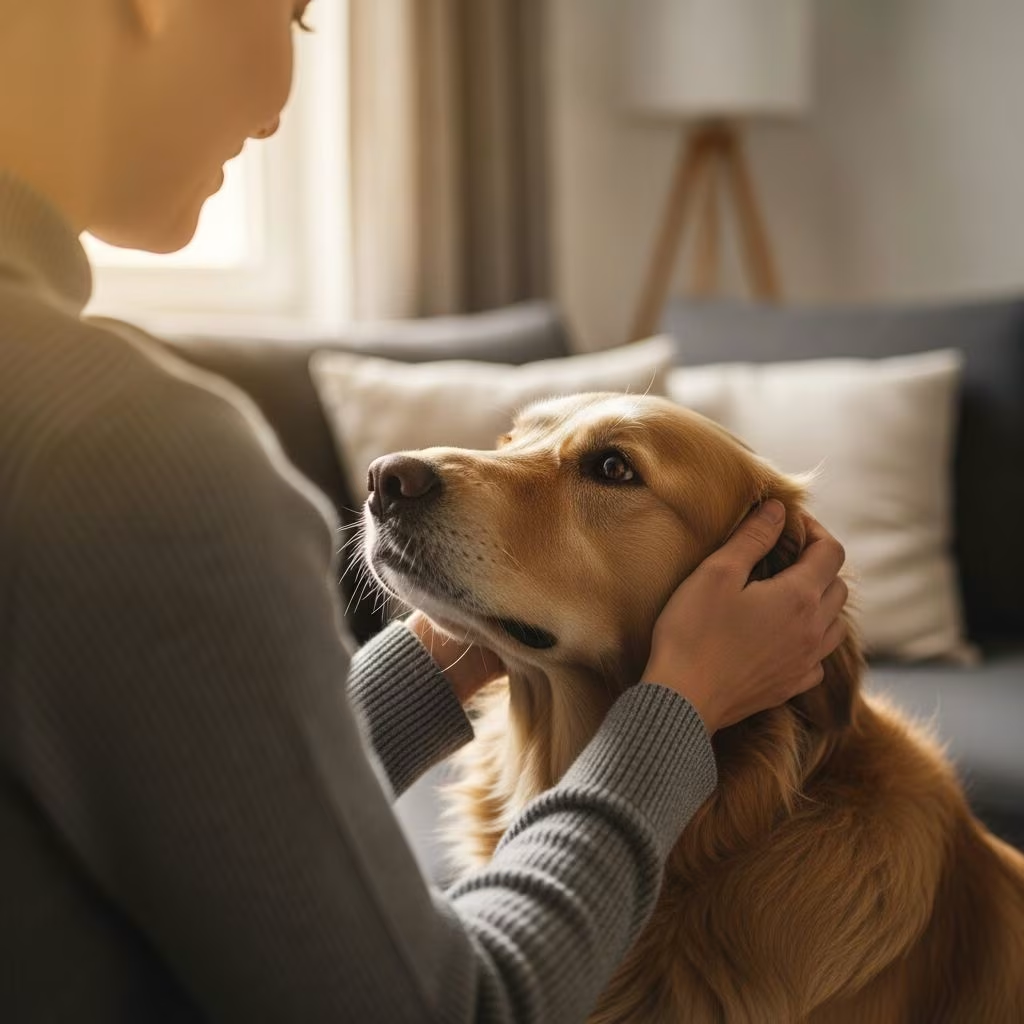
Your dog may show profound attachment through specific behaviours, indicating they view you as their primary caregiver and safe haven. These signs stem from filial imprinting, a survival-driven bond where puppies learn social cues from a parental figure, typically forming between 8-10 weeks old during key socialization periods.
What does it mean when a dog imprints on you?
Dogs imprint similarly to wild animals but adapt to humans due to domestication. Unlike birds that bond to the first seen post-hatching, dogs form ongoing attachments based on care, feeding, and interaction. This bond releases oxytocin, the ‘love hormone,’ strengthening emotional ties during eye contact or affection. Imprinted dogs see you as pack leader, protector, and teacher, following your lead for survival skills and security.
Imprinting peaks in puppyhood but can develop in adults through consistent positive reinforcement. It overlaps with attachment theory in canines, where secure bonds reduce anxiety and enhance trainability. However, signs like constant following can mimic separation anxiety, so observe context—true imprinting shows relaxed joy, not distress.
10 signs your dog has imprinted on you
Recognize these behaviours as evidence of deep trust. Imprinted dogs prioritize you over others, seeking guidance and comfort.
1. They follow you everywhere
Your dog acts as a furry shadow, trailing from kitchen to bathroom. This ‘follow instinct’ signals you as their safe base; they check in frequently during exploration and run to you when startled. In packs, this protects vulnerable members—your presence reassures them.
2. They check in with you
Even in familiar spaces, your dog glances back or returns for reassurance. This mirrors wild pup behaviour, confirming the caregiver’s proximity before venturing further.
3. They make eye contact
A soft, steady gaze releases oxytocin in both of you, forging chemical bonds. Avoid staring contests, as prolonged direct eye contact can feel threatening; opt for soft blinks to reciprocate.
4. They lean on you
Physical contact like leaning, paw on lap, or nuzzling shows comfort in your space. They seek your warmth and scent for security, often relaxing fully only with you.
5. They greet you with joy
Frantic tail wags, jumping, whining, or happy dances upon your return express uncontainable excitement. This ritual confirms you’re their favourite human.
6. They bring you gifts
Slobbery toys or treasures offered to you honour you as pack leader. Sharing prized possessions demonstrates ultimate trust.
7. They expose their belly
Rolling over for rubs exposes their most vulnerable area, signifying submission and total faith in your protection.
8. They sleep near you
Choosing your room or side mimics pack sleeping for safety. They guard you as you guard them.
9. They sniff or snuggle your belongings
Surrounding themselves with your scent via shoes or laundry provides comfort in your absence, leveraging their powerful nose.
10. They listen to your cues
Highly attuned to your body language, they follow gestures over words from others. Eager to please, they mirror yawns or behaviours, showing empathy.
Can dogs imprint on more than one person?
Dogs typically imprint primarily on one person—the main food/safety provider—but can form strong secondary bonds. Pack dynamics include an ‘alpha’ they follow most closely, though all household members benefit from socialization. Multi-person households see divided loyalties, but the imprinter remains the go-to for comfort.
How to tell if it’s imprinting or separation anxiety
Imprinting brings relaxed attachment; anxiety shows distress like whining, destruction, or pacing when alone. Overlaps include shadowing, but imprinted dogs remain calm in your presence, while anxious ones cling fearfully. Consult vets for persistent issues.
| Sign | Imprinting | Anxiety |
|---|---|---|
| Following | Relaxed, exploratory | Desperate, tense |
| Alone behaviour | Content with scent | Destructive, vocal |
| Your presence | Calm, playful | Clingy, trembling |
How to encourage imprinting and strengthen the bond
Foster bonds through positive methods:
- Consistent routines: Feed, walk, play at set times to build reliability.
- Positive reinforcement: Reward with treats/praise for good behaviour, avoiding punishment.
- Quality time: Train, play fetch/tug, or cuddle daily.
- Socialize early: Expose puppies 8-12 weeks to humans for healthy attachments.
- Exercise: Daily activity prevents anxiety, enhances focus on you.
Avoid over-dependence; encourage independence to prevent possessiveness.
Frequently Asked Questions (FAQs)
What age do dogs imprint?
Primarily 8-10 weeks during socialization, but adults bond via care.
Do all dogs imprint?
Most do on primary caregivers; rescue dogs may take longer.
Is imprinting the same as love?
It’s a deep attachment akin to familial love, backed by oxytocin.
What if my dog imprinted on someone else?
Build your bond patiently; consistency wins them over.
Can imprinted dogs be aggressive?
Rarely; proper training prevents possessiveness.
References
- Dogs Imprinting on Humans: Know the Signs — NJ Dog Training. 2023. https://njdog.com/dogs-imprinting-on-humans-know-the-signs/
- Signs Your Dog Has Imprinted on You: Bond, Behaviors & Attachment — Pride + Groom. 2024. https://prideandgroom.com/blogs/news/signs-your-dog-has-imprinted-on-you
- Has Your Dog Imprinted On You? — PetLab Co. 2024. https://thepetlabco.com/learn/dog/behavior/has-your-dog-imprinted-on-you
- 7 Signs Your Dog Imprinted On You & What It Means — Rover.com. 2023. https://www.rover.com/blog/signs-dog-imprinted-on-you/
- Dogs Imprinting on Humans: What It Means & Why It Happens — Ridgeside K9. 2024. https://ridgesidek9nc.com/dog-training-obedience/dogs-imprinting-on-humans/



