

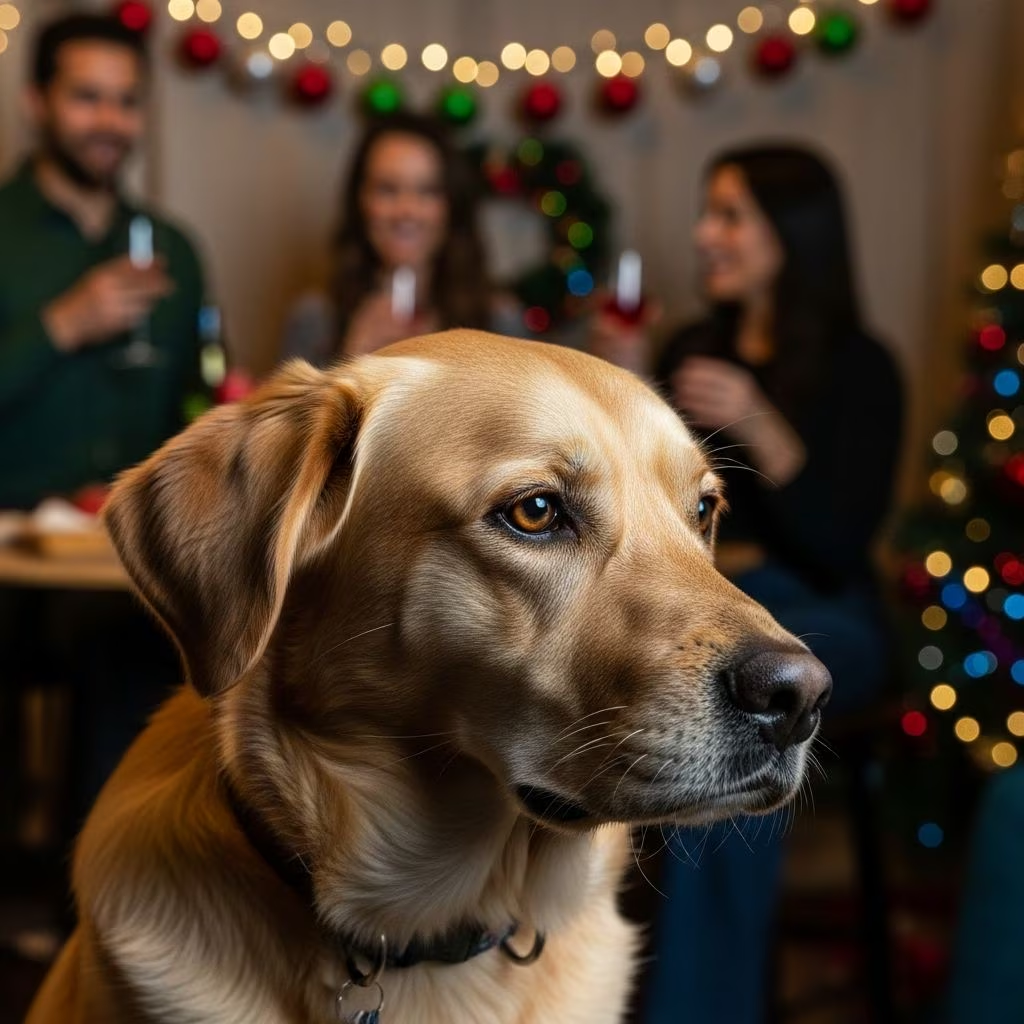
Holiday parties bring joy, laughter, and festive cheer, but for many dogs, the influx of guests, noise, and chaos can be overwhelming. While some pups thrive on the attention, others feel anxious, stressed, or uncomfortable amid the celebrations. Recognizing these subtle (and not-so-subtle) signals is crucial for your dog’s well-being. Experts like certified professional dog trainer Rhea Northcut and veterinary professionals emphasize watching for specific behaviors that indicate your dog would rather be elsewhere—perhaps with a pet sitter or in a quiet room.
This guide breaks down the top five signs your dog isn’t enjoying the party, how to differentiate excitement from true anxiety, which dogs are most at risk, and practical solutions to ensure everyone—including your furry family member—has a happy holiday. By understanding canine body language and stress cues, you can make informed decisions, preventing potential emergencies like toxic food ingestion or bite incidents triggered by overstimulation.
Stiff Body
One of the most telling signs your dog is uncomfortable at a holiday gathering is a stiff, tense body posture. Instead of their usual loose, playful movements, your dog may freeze, hold their body rigidly, or move in a stiff-legged manner. This tension often signals fear, discomfort, or an attempt to appear larger and more intimidating to perceived threats, such as unfamiliar guests.
Rhea Northcut, a separation anxiety expert at Wiggle Butt Academy, notes that a stiff body combined with pacing indicates overwhelm. “If they are not settling and pacing around more than normal, especially with a stiff body, it can indicate the dog is overwhelmed,” she explains. Pay close attention during peak party times when guests are mingling—your dog’s muscles may appear locked, tail held high or tucked, and ears pinned back. This isn’t playfulness; it’s a clear plea for space.
Intervening early is key. Gently guide your dog to a quiet area away from the action, offering treats and comfort to help them relax. Ignoring this sign can escalate to more overt warnings like growling.
Growling, Barking, Showing Teeth
Auditory and visual warnings like growling, excessive barking, or lip-lifting to show teeth are unmistakable red flags. These vocalizations and facial expressions serve as direct communication: “Back off!” Your dog is setting boundaries, often in response to unwanted petting, crowding, or invasion of their personal space by partygoers.
According to dog behaviorists, these aren’t aggressive acts but defensive responses to stress buildup. If your normally friendly dog starts rumbling low in their throat when someone approaches or bares teeth during greetings, it’s time to separate them immediately. Smith, another expert cited in pet behavior resources, highlights that barking, mouthiness, or overreactivity beyond normal levels points to overwhelm.
Prevention is better than reaction. Brief guests on giving your dog space, especially children and inebriated adults who may not read canine cues accurately. In severe cases, opt for professional boarding or an in-home sitter to avoid escalation.
Your Dog Can’t Settle and Is Pacing Constantly
A dog that can’t relax and instead paces restlessly from room to room is exhibiting classic signs of anxiety. Holiday parties disrupt their routine safe space, turning the home into a high-stimulation zone with constant movement, laughter, and doorbell rings. Pacing prevents them from decompressing, keeping their stress hormones elevated.
Northcut advises observing if pacing exceeds normal levels, particularly with accompanying stiffness. This behavior stems from uncertainty—what’s expected of them in this chaotic environment? Dogs underfoot become a hazard to guests and themselves, tripping people or dashing out open doors.
To address this, create a “people-free zone” like a blocked-off room with their bed, toys, and water. Management tools such as baby gates or crates provide security without isolation. Regular breaks in this sanctuary allow settling, reducing overall stress.
Your Dog Becomes Hypervigilant or Startles Easily
Hypervigilance manifests as wide eyes scanning the room, ears perked toward every sound, and flinching at sudden noises or movements. Your dog tracks guests obsessively, unable to disengage, which drains their energy and heightens anxiety. “Hypervigilance means they are keeping an eye on everything and everyone at the party and remain in an elevated state of alert,” Northcut describes.
This state mimics a security guard on high alert, incompatible with relaxation. Startling easily at dropped utensils or laughter confirms discomfort. Other signs include lip-licking, yawning, or whale-eye (whites of eyes visible).
Counter this by dimming stimuli: close curtains, lower music, and limit door openings. Familiar scents like a worn shirt in their safe space can ground them. If hypervigilance persists, professional calming aids or vet consultation may be warranted.
Your Dog Gets Mouthy, Barky, or Overreactive
Overreactivity includes nipping, jumping excessively, loud barking at nothing, or playful mouthing that turns intense. These displacement behaviors mask underlying stress, where excitement veers into frenzy. Smith notes, “Being loud or barky, jumping up, being mouthy when it’s not their normal, and yawning, these are all signs of overwhelm.”
In party settings, this risks injury to guests, especially kids or elderly. Dogs may redirect frustration onto hands reaching for pets. Monitor thresholds and enforce commands like “sit” or “place” if trained, but management trumps training during high-stress events.
How Can You Tell Excitement from True Anxiety?
Distinguishing joy from distress prevents misinterpretation. An excited dog displays loose, wiggly body language, relaxed face, play bows, and voluntary solicitation of interaction. They settle briefly between bursts of energy, tail wagging broadly.
Conversely, anxious dogs show tense muscles, avoidance, intense focus without breaks, and displacement like excessive yawning or panting. Northcut clarifies: “An excited dog will be wiggly, not just have a wagging tail. We want to see loose body language, a relaxed face…” Intense energy without joyous balance often signals anxiety masked as play.
| Excitement Signs | Anxiety Signs |
|---|---|
| Loose, wiggly body | Stiff posture |
| Relaxed face, play bows | Hypervigilant stare, yawning |
| Chooses interaction, settles | Avoids contact, paces |
Which Dogs Are Not Party Animals?
Not all dogs suit social bashes. High-risk categories include:
- New or rescue dogs: Recent adoptees need time to adjust; parties amplify stress.
- Dogs with bite history: Avoid exposure to prevent incidents.
- Anxious or noise-sensitive pups: Crowds invade their safe haven.
- Introverts or seniors: Prefer quiet; mobility issues compound discomfort.
- Dogs with health issues: Chronic illness, recent GI upset, or pancreatitis risk from fatty foods.
Dr. Ameis warns of emergencies like chocolate toxicity, alcohol exposure, door-dashing, and bites from overstimulation. Pets don’t experience FOMO—prioritize welfare.
Loving Your Dog Sometimes Means Spending Time Apart
Opting for separation shows true care. Hire a sitter for in-home chilling or board at a facility. Questions to assess per Smith:
- How long is the party?
- How familiar are people/environment?
- Does your dog obey in crowds?
Explain to guests: your dog enjoys calmer visits. Alternatives like a downstairs den work if blocked off.
Frequently Asked Questions (FAQs)
What if my dog loves people usually?
Even social dogs overwhelm; quantity matters. Monitor for new stress signs.
Is crating okay during parties?
Yes, if trained positively as a safe haven with comforts.
What about holiday food dangers?
Chocolate, grapes, fatty foods, alcohol pose risks—secure counters.
Can puppies attend?
Avoid large parties; socialization needs controlled settings.
How to prep guests?
Instruct no feeding/petting without permission; supervise kids.
References
- 5 Signs Your Dog Doesn’t Want to Be at Your Holiday Party — Kinship. 2023. https://www.kinship.com/pet-behavior/signs-your-dog-doesnt-like-holiday-parties
- 4 Signs Your Dog Is Over Holiday Socializing — Animal Wellness Magazine. 2023. https://animalwellnessmagazine.com/4-signs-your-dog-is-over-holiday-socializing/
- Simple Solutions to Dog Behavior Problems During the Holidays — Seattle Dog Spot. 2017-12-12. https://www.seattledogspot.com/solution-dog-behavior-problems-holidays/
- 5 Ways to Keep Your Dog Happy (and Safe) During the Holidays — Kinship. 2023. https://www.kinship.com/dog-lifestyle/keeping-dog-safe-during-the-holidays
- How to Keep Your Pet Safe During the Holiday Season — Adopt a Pet. 2023. https://www.adoptapet.com/blog/adoption/holiday-safety-tips



