

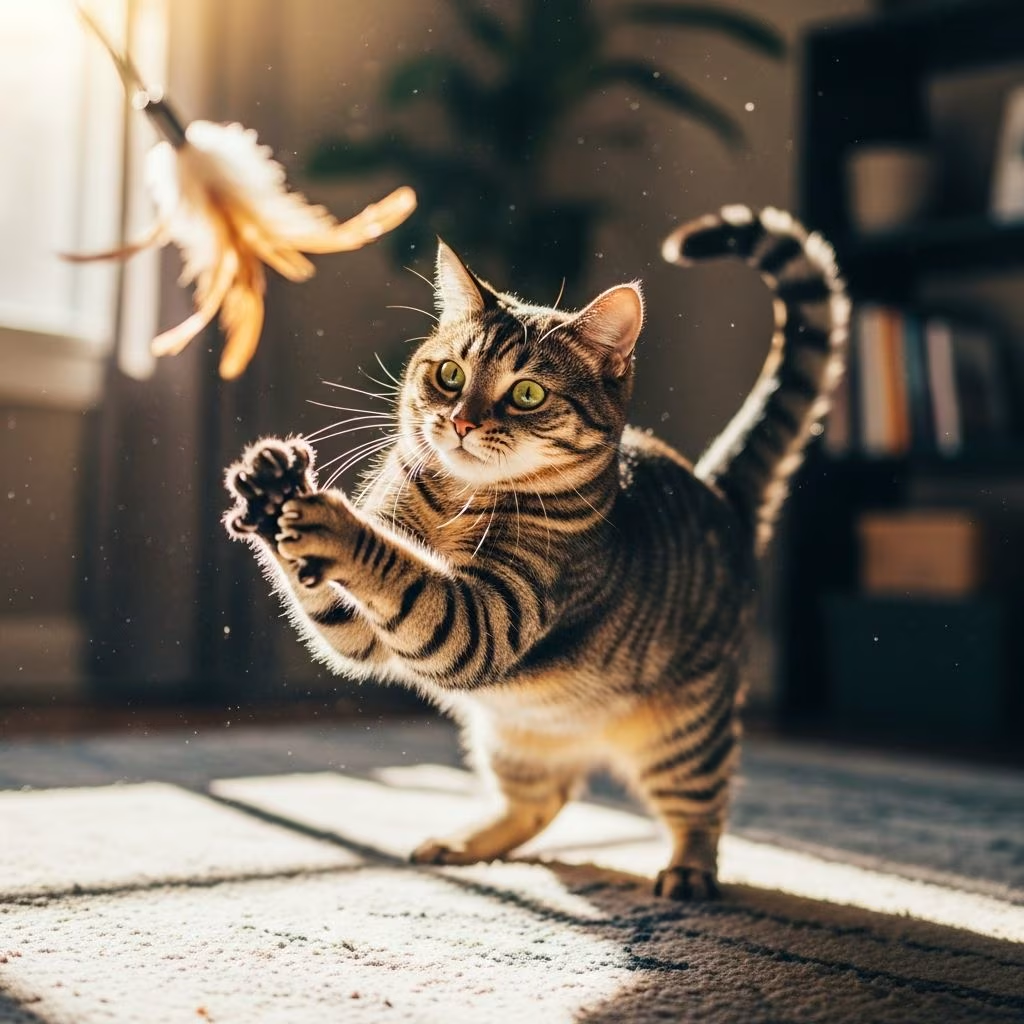
Cats are masters of subtle communication, often using body language, vocalizations, and behaviors to express their desire for play. Recognizing these **signs your cat wants to play** can deepen your bond, provide essential exercise, and prevent boredom-related issues like destructive scratching. Play mimics hunting instincts, helping cats stay mentally sharp and physically fit. This guide covers 10 key indicators, drawing from feline behavior experts, to help you respond effectively.
Why Play Matters for Cats
Play is vital for cats of all ages, simulating natural predation sequences from stalking to pouncing. Kittens peak in play between 7-14 weeks, building coordination and muscle memory for hunting. Adult cats need it to release energy, reduce stress, and maintain healthy weight. Indoor cats, especially, rely on owners for stimulation since they lack outdoor hunting opportunities. Interactive play strengthens the human-cat relationship, with friendly cats often greeting owners tail-up and engaging in mutual rough-and-tumble. Neglecting play can lead to overstimulation aggression or apathy.
1. The Tail Flick or Wriggly Tail
A **flicking tail** is one of the most common signs your cat wants to play. This quick, twitchy movement signals excitement and alertness, often seen when cats watch potential ‘prey’ like toys or moving feet. Unlike a slow swish indicating irritation, rapid flicks show stimulation before a pounce. Kittens and playful adults wriggle their tails low to the ground during relaxed play setups. If your cat flicks its tail while staring at you or a toy, grab a wand toy immediately to channel that energy.
2. Dilated Pupils and Wide Eyes
**Dilated pupils** and wide-open eyes indicate high arousal and focus, perfect for play-hunting mode. Cats dilate pupils to sharpen vision for tracking movement, whether a laser dot or your hand. This pairs with forward ears and a crouched ‘play bow’ stance. Playful cats chatter softly with dilated eyes, crouching low. Distinguish from fear: playful dilation comes with relaxed body tension, not flattened ears.
3. The Play Bow or Crouch
The classic **play bow**—front end low, rear elevated, tail quivering—directly invites interaction. This posture exposes the belly slightly, signaling trust and ‘let’s play’. Cats freeze briefly in this position, wiggling buttocks in anticipation. It’s reciprocal in multi-cat play, with turns taken. Respond by mimicking with a toy to encourage chasing.
4. Bringing You Toys (or Random Objects)
Cats ‘gift’ toys, socks, or hair ties to enlist you in the hunt. This instinctual behavior shows they view you as a hunting partner. Watch for stalking then dropping items at your feet, often with meows. It’s more common in spayed females but seen across genders. Praise and toss back to affirm the game.
5. Rubbing Against Your Legs
**Leg rubbing** or figure-eights around ankles deposits pheromones, marking you as family while soliciting attention. It’s a greeting with play undertones, especially if followed by tail-up approaches or nibbles. Friendly felines rub heads together before play-fighting. Pet briefly then introduce a toy to transition to active play.
6. Chirping, Chattering, or Meowing at You
**Vocal cues** like chirps, chatters, or insistent meows signal play invitations. Chatter mimics bird captures, showing hunting excitement. Unlike growls (fight signals), these are high-pitched and rhythmic. Play is often silent or softly vocal; hisses mean stop. Kittens meow more, adults chirp at toys.
7. Pouncing on Your Feet or Hands
Ambush **pouncing** on moving feet treats you as prey. This stems from kitten play with littermates, involving gentle nips without claws. If escalating to bites, redirect to toys. Reciprocity matters: playful pounces involve breaks and role switches. Older cats pounce less but still enjoy it.
8. Zoomies or Frenetic Energy Bursts
**Zoomies**—sudden sprints across rooms—release pent-up energy craving play release. Tail flicks and dilated eyes accompany these. It’s common post-meals or evenings. Interrupt with feather wands to guide the frenzy productively.
9. Licking or Gentle Nibbling
**Gentle licks or nips** during grooming sessions signal affection turning playful. Allogrooming precedes play in bonded cats. Nips without claws are play; hard bites with growls indicate ‘enough’. Respond by offering chew toys.
10. Staring with a Wrinkle on the Nose
Intense **staring** with nose wrinkles or ‘prey face’ locks onto targets. Forward ears and twitching whiskers confirm play intent. It’s silent focus, unlike aggressive stares. Wave a toy to engage.
Play vs. Fight: Crucial Differences
Distinguishing play from fights prevents intervention errors. Use this table for quick reference:
| Indicator | Play | Fight |
|---|---|---|
| Sounds | Silent or chirps | Hisses, growls, yowls |
| Claws | Sheathed | Exposed |
| Pupils | Dilated (focus) | Dilated + tense |
| Ears | Forward | Flat/backward |
| Reciprocity | Taking turns, breaks | One-sided, no breaks |
| Body | Relaxed, loose | Tense, puffed |
Playful interactions are mutual with play signals like bows; fights lack them. Videos show wrestling as play if reciprocal and quiet.
How to Play With Your Cat Effectively
- Use interactive toys like wand teasers for 10-15 minute sessions twice daily.
- Mimic prey: drag, flick, hide toys.
- End on a high note before fatigue leads to bites.
- Vary toys to prevent boredom; rotate feather, ball, laser types.
- Observe age: kittens need frequent short bursts; seniors prefer gentle chases.
Frequently Asked Questions (FAQs)
Why does my cat suddenly attack my feet?
This is often play aggression from unmet needs. Provide scheduled play to preempt.
Is hissing during play normal?
Occasional hisses signal ‘enough’ in overstimulation; intervene if persistent.
How much play do cats need daily?
15-30 minutes of vigorous interactive play, split into sessions.
What if my cat ignores toys?
Try catnip, new textures, or dawn/dusk sessions when hunting instincts peak.
Do older cats still want to play?
Yes, but gentler; chasing and batting suffice over wrestling.
Conclusion: Respond to Strengthen Your Bond
Spotting these signs transforms routine into joyful interaction. Regular play fulfills instincts, curbing issues like furniture scratching. Observe your cat’s unique cues—tail flicks, bows, chirps—and engage promptly for a stimulated, happy pet.
References
- Are My Cats Playing or Fighting? How to Know the Difference — My Lovely Feline. Accessed 2026. https://mylovelyfeline.com/blogs/content/are-my-cats-playing-or-fighting-how-to-know-the-difference
- How to tell if cats are having fun — or if fur is flying — Science News Explores. 2023-01-26. https://www.snexplores.org/article/cat-behavior-play-fighting-signs
- The Definitive Guide to Cat Behavior and Body Language — Tuft & Paw. Accessed 2026. https://www.tuftandpaw.com/blogs/cat-guides/the-definitive-guide-to-cat-behavior-and-body-language
- Friendly Felines: How To Tell If Your Cats Get Along — American Veterinary Society of Animal Behavior (AVSAB). Accessed 2026. https://avsab.org/friendly-felines-how-to-tell-if-your-cats-get-along/
- Are Your Cats Playing or Fighting? Here’s How To Tell — YouTube (Cat Behavior Expert). Accessed 2026. https://www.youtube.com/watch?v=YbSO2ndy_Zg
- How to read your cat’s body language — Animal Humane Society. Accessed 2026. https://www.animalhumanesociety.org/resource/how-read-your-cats-body-language
- Signs Your Cat Wants to Play: Understanding Feline Behavior — UAH Pet. Accessed 2026. https://www.uahpet.com/blogs/post/signs-your-cat-wants-to-play-understanding-feline-behavior



