

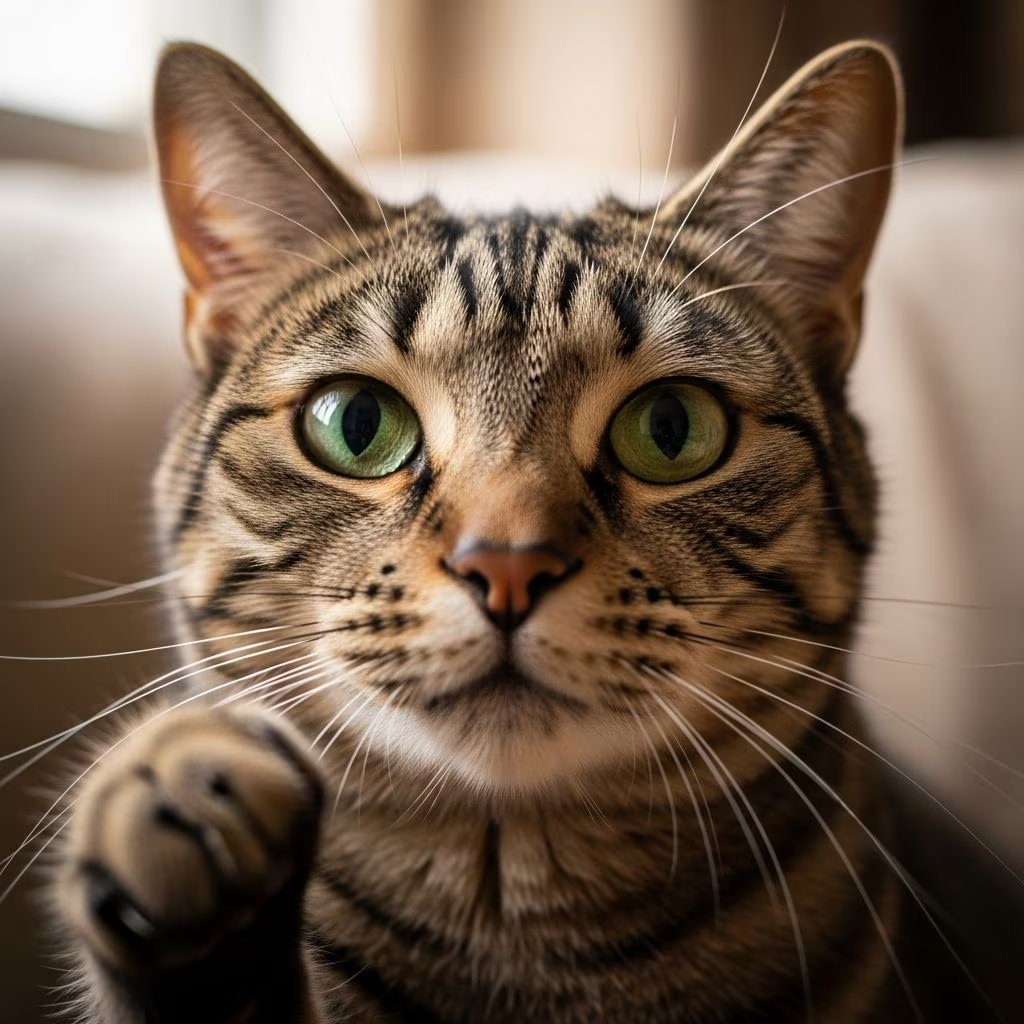
Cats are often seen as independent creatures, but many crave interaction and attention from their owners. Recognizing the **signs your cat wants attention** can help you strengthen your bond, reduce stress, and prevent destructive behaviors. These signals range from subtle cues like staring to more overt actions like excessive meowing. Understanding them allows you to respond appropriately, ensuring your feline friend feels loved and secure.
Attention-seeking behaviors are normal to an extent, as cats are social animals that thrive on companionship. However, excessive displays may stem from boredom, anxiety, unmet needs, or health issues. By addressing these signs promptly, you promote a healthier, happier cat.
Why Do Cats Seek Attention?
Cats seek attention for various reasons, including natural social instincts, environmental changes, or physical discomfort. Common triggers include:
- Boredom: Lack of exercise, mental stimulation, or playtime leads cats to demand interaction.
- Anxiety or Stress: Changes in routine, new pets, or moving can make cats clingy.
- Learned Behavior: If meowing or pawing previously earned attention, cats repeat it.
- Personality/Breed: Some breeds like Siamese are more vocal and people-oriented.
- Health Issues: Pain or illness can cause unusual attention-seeking, such as increased vocalization.
Observing context is key. For instance, if behaviors coincide with feeding times or occur after routine changes, they likely signal specific needs.
Common Signs Your Cat Wants Attention
Cats communicate needs through body language, vocalizations, and actions. Here are the most frequent **signs your cat wants attention**:
1. Excessive Vocalization (Meowing, Yowling, or Howling)
One of the clearest indicators is persistent meowing, especially if it’s louder or more frequent than usual. Cats meow primarily to humans, using it to demand food, play, or cuddles. Excessive vocalizing may occur at doors, during work calls, or at night.
Yowling or howling often signals frustration or unmet needs. Monitor if it’s tied to specific times, like mealtimes, or sudden onset, which could indicate pain.
2. Pawing, Nudging, or Tapping at You
Your cat may gently paw your arm, leg, or face to get noticed. This tactile approach escalates if ignored, sometimes involving kneading (“making biscuits”) on your lap.
Pawing often happens when you’re busy, like typing or eating, signaling a desire for play or pets. It’s a direct bid for interaction.
3. Following You Around the House
If your cat shadows you from room to room, greets you at the door, or lies near your activities, they’re seeking proximity and attention. This attachment behavior shows trust and a need for companionship.
4. Staring Intently at You
A fixed stare, especially with dilated pupils, means your cat wants play, food, or touch. Combine with ear/tail positions: relaxed indicates affection; tense suggests agitation.
Persistent staring without blinks can rarely signal eye issues—consult a vet if accompanied by squinting or discharge.
5. Rubbing Against You (Bunting)
Rubbing legs, head-butting, or weaving figure-eights around you is scent-marking to claim you as theirs. Accompanied by purring, it’s a sign of love and attention-seeking.
6. Jumping on Laps, Keyboards, or Counters
Cats insert themselves into your space—on laptops, during meals, or work—to block your view and demand focus. This cheeky behavior effectively captures attention.
7. Knocking Things Over or Destructive Scratching
Pushing items off shelves or scratching furniture signals boredom or frustration. Even negative attention (scolding) reinforces the behavior.
Scratching provides sensory feedback but becomes problematic on inappropriate surfaces.
8. Bringing Gifts
Dead insects, toys, or socks left at your feet are “presents” from your hunter cat, seeking praise and interaction.
9. Inappropriate Toileting or Eating Non-Food Items
Urinating outside the litter box or begging excessively can stem from stress or attention needs. Eating inedibles (pica) may link to anxiety.
10. Aggression: Biting or Scratching
Playful nips turning rough or sudden scratches indicate overstimulation or demand for engagement. Redirect to toys.
When Attention-Seeking Becomes a Problem
Normal behaviors turn problematic if excessive, causing distress. Signs include:
- Sudden changes: More hiding, lethargy, or appetite shifts.
- Environmental triggers: New schedules or noises.
- Health red flags: Limping, grooming changes, or unusual aggression.
Consult a vet to rule out medical issues before assuming behavioral causes.
How to Respond to Your Cat’s Attention-Seeking
Meeting needs proactively prevents escalation. Strategies include:
- Scheduled Playtime: 15-20 minutes daily with toys like wand teasers for exercise.
- Enrichment: Puzzle feeders, scratching posts, window perches for stimulation.
- Positive Reinforcement: Reward calm behaviors (sitting quietly) with treats/pets; ignore bad ones.
- Quality Time: Gentle petting sessions, interactive grooming.
- Environment Tweaks: Vertical spaces, consistent routines to reduce stress.
For multi-cat homes, ensure equal attention. Consider calming aids like pheromone diffusers if anxiety persists.
Table: Normal vs. Problematic Attention-Seeking
| Behavior | Normal Sign | Problematic Sign | Action |
|---|---|---|---|
| Meowing | Brief at greetings/meals | Constant, night yowling | Play, vet check |
| Pawing | Gentle during downtime | Persistent, aggressive | Redirect to toys |
| Following | Occasional shadowing | Clingy, won’t leave alone | Enrichment |
| Scratching | On posts | Furniture destruction | Provide alternatives |
Frequently Asked Questions (FAQs)
Why is my cat suddenly meowing more for attention?
Sudden increases often tie to stress, boredom, or health pain. Check for changes and vet visit if persistent.
Should I ignore attention-seeking behaviors?
Ignore destructive ones but reward good behavior. Complete neglect worsens issues—balance with scheduled interaction.
Is attention-seeking a sign of separation anxiety?
Yes, especially with following, vocalizing when alone. Use enrichment and gradual alone-time training.
How much attention does my cat need daily?
15-30 minutes play, plus casual interaction. Adjust for age/energy.
When to see a vet for attention behaviors?
If with appetite loss, hiding, or sudden shifts—could indicate illness.
By tuning into these **signs your cat wants attention**, you foster a deeper connection and healthier life. Proactive care keeps your cat content and your home harmonious.
References
- Attachment and attention-seeking behaviour in cats — Joii Pet Care. 2023. https://www.joiipetcare.com/blogs/behaviour-and-training/attachment-and-attention-seeking-behaviour-in-cats
- 8 Cat Attention-Seeking Behaviors & What They Want — Rover.com. 2023. https://www.rover.com/blog/cat-attention-seeking/
- Do Cats Crave Human Attention? Signs To Look Out For — FELIWAY. 2023. https://www.feliway.co.uk/blogs/news/do-cats-crave-human-attention-signs-to-look-out-for
- 5 Signs that You Need to Give More Attention to Your Cat — PetCareRx. 2023. https://www.petcarerx.com/article/5-signs-that-you-need-to-give-more-attention-to-your-cat/2959
- Understanding Cat Attention Behavior — Family Pet Hospital. 2025-12-30. https://fphmapleton.com/2025/12/30/understanding-cat-attention-behavior/



