

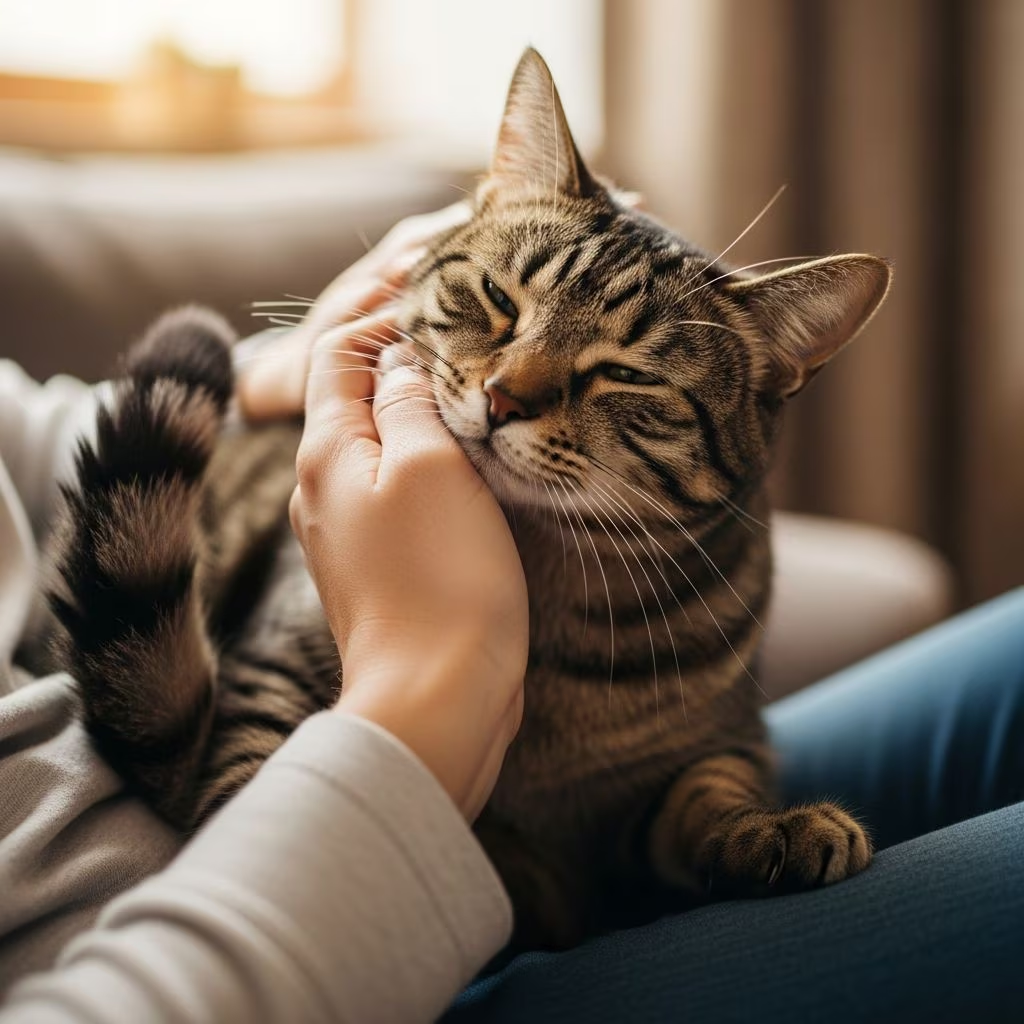
Cats are mysterious creatures, often misunderstood as aloof or independent. However, they express trust and affection in subtle, meaningful ways. Unlike dogs, who show love through exuberant displays, cats prioritize safety, comfort, and security. When your cat trusts you, they view you as a reliable protector and family member. This article explores the **10 key signs** your cat trusts you, drawing from feline behavior experts. Understanding these behaviors strengthens your bond and enhances your cat’s well-being.
Trust in cats develops gradually through consistent, positive interactions. Cats care deeply about physical comfort and safety, signaling trust via body language rather than vocalizations. By recognizing these signs, you can reciprocate appropriately, fostering a deeper relationship.
1. They Ask You for Things
The first sign your cat trusts you is when they actively seek you out for needs like food, play, or attention. This vocal meowing or pawing indicates they believe you’ll respond positively. A cat that greets you at the door with an upright tail and chirps shows excitement and security in your presence.
Adult cats are territorial and cautious, so approaching you first means they see you as non-threatening. This behavior evolves from kittenhood, where they mew for maternal care, now directed at you as their trusted human. If your cat meows specifically at you upon returning home, it’s a clear compliment—they associate you with safety and rewards.
2. They Touch You and Allow You to Touch Them
Physical contact is a significant risk for cats, as it exposes vulnerabilities. When your cat initiates touch—like rubbing against your legs or jumping into your lap—they demonstrate profound trust. Allowing petting, especially in sensitive areas, further confirms this bond.
Not all cats are tactile; some remain aloof due to personality or past experiences. However, gradual trust-building can encourage touch. Headbutting, using scent glands on cheeks and forehead, marks you as family, releasing pheromones of safety and familiarity. This mutual touching reinforces social bonds akin to cat colonies.
3. They Adopt a Relaxed Body Posture Around You
A trusting cat displays fully relaxed postures: loafing (sitting with paws tucked), forward ears, smooth fur, and neutral whiskers. These indicate they feel safe, with no need for defensive tension.
Observe for slow blinking or ‘love blinks’—half-closed eyes signaling affection. Unlike staring, which conveys challenge, soft eye contact shows comfort. Sleeping near or on you, especially belly-up, exposes their most vulnerable side, a ultimate trust gesture.
4. They Bring You Gifts
Cats often present ‘gifts’ like toys, prey, or socks as tokens of appreciation. This instinctual behavior from wild ancestors teaches kittens to hunt, but with you, it signifies you’re family worth sharing with.
Don’t scold these offerings; acknowledge with praise to maintain trust. It shows they view you as a fellow provider, integrating you into their social world.
5. They Let You Do Things Others Cannot
One of the strongest indicators is exclusivity: your cat permits nail trims, brushing, or handling only from you. They emerge from hiding solely in your presence or tolerate vet trips better with you.
This stems from learned safety—you’re predictable and gentle. Others may trigger stress responses, but your consistency builds unshakeable trust.
6. They Groom You or Let You Groom Them
Mutual grooming, or allogrooming, is reserved for colony members. If your cat licks your hair or skin, or allows brushing, they see you as kin.
Reciprocate gently; over-brushing can overwhelm. This behavior releases calming pheromones, deepening emotional ties. Kneading (making biscuits) while grooming you combines comfort-seeking with trust.
7. They Follow You Around
Your cat shadowing you room-to-room isn’t clinginess—it’s attachment. They choose your presence as their ‘safe spot,’ even without petting requests.
Feline behaviorists note this as secure bonding, similar to kitten-mother following. It may also anticipate rewards, but the core is comfort in proximity.
8. They Show Their Belly
Exposing the belly mimics play solicitation but signals ultimate vulnerability. A trusting cat rolls over, inviting rubs (cautiously, as it can flip to play).
Not all belly shows invite touch; read cues. This, paired with purring, confirms relaxation and faith in your protection.
9. They Purr and Chirp at You
Purring denotes contentment, often during cuddles or kneading. Unique chirps or trills are greeting vocals, showing pleasure in your arrival.
While purring can indicate pain, context with relaxed posture points to trust. Meowing evolves for humans, personalized to elicit your response.
10. They Cling to You During Times of Distress
In stress—like visitors or vets—your cat hides behind you or buries into your shoulder. This seeks your protection, affirming you’re their shield.
Comfort them calmly; it reinforces reliability. Such dependency highlights deep emotional security.
How to Build Trust with Your Cat
Trust isn’t innate; nurture it deliberately. Here are expert tips:
- Be Predictable: Maintain routines for feeding, play, and interaction. Consistency reduces anxiety.
- Respect Their Space: Let them approach first. Force backfires.
- Use Positive Reinforcement: Treats and praise for good behaviors accelerate bonding.
- Engage in Play: Toys mimic hunting, releasing endorphins and associating you with fun.
- Take Time to Comfort: Before handling (e.g., carriers), soothe with strokes or treats. Patience yields cooperation.
These strategies create a calm environment, essential for feline security.
Cat Trust vs. Affection: Key Differences
| Sign | Trust Indicator | Affection Indicator |
|---|---|---|
| Body Language | Relaxed loafing, slow blinks | Headbutts, purring |
| Proximity | Following without demand | Cuddling, sleeping on you |
| Grooming | Allows brushing | Licks you |
| Vocal | Meows for needs | Chirps greetings |
This table clarifies overlaps, aiding observation.
Frequently Asked Questions (FAQs)
Q: How do you tell if your cat trusts you?
A: Look for relaxed postures, grooming, following you, belly exposure, and seeking comfort in distress. These subtle cues confirm deep trust.
Q: Why does my cat follow me everywhere?
A: It’s a sign of attachment; you’re their safe space. Behaviorists confirm this as secure bonding.
Q: Is slow blinking a trust sign?
A: Yes, the ‘love blink’ signals affection and safety, like cat-to-cat communication.
Q: What if my cat doesn’t show these signs?
A: Some cats are more reserved. Build trust slowly with consistency and respect—no force.
Q: Does purring always mean trust?
A: Usually contentment, but check body language. Relaxed purring indicates trust.
Recognizing these signs transforms your relationship, making your cat feel secure and loved. Patience and observation unlock their hidden affections.
References
- 10 Signs Your Cat Trusts You — Kinship. 2023. https://www.kinship.com/cat-behavior/signs-your-cat-trusts-you
- 10 Signs Your Cat Really Does Trust You — Cats.com. 2024. https://cats.com/signs-your-cats-trusts-you
- Only Cats Who Trust You Completely Show These 6 Behaviors — Feline Fanatics (YouTube). 2025-10-07. https://www.youtube.com/watch?v=rBvRQKdIM-4
- Does My Cat Love Me? Here’s How To Tell — PetMD. 2024. https://www.petmd.com/cat/behavior/does-my-cat-love-me
- 10 Signs Your Cat Loves You — Fat Kitty City. 2023. https://www.fatkittycity.org/blog/10-signs-your-cat-loves-you



