

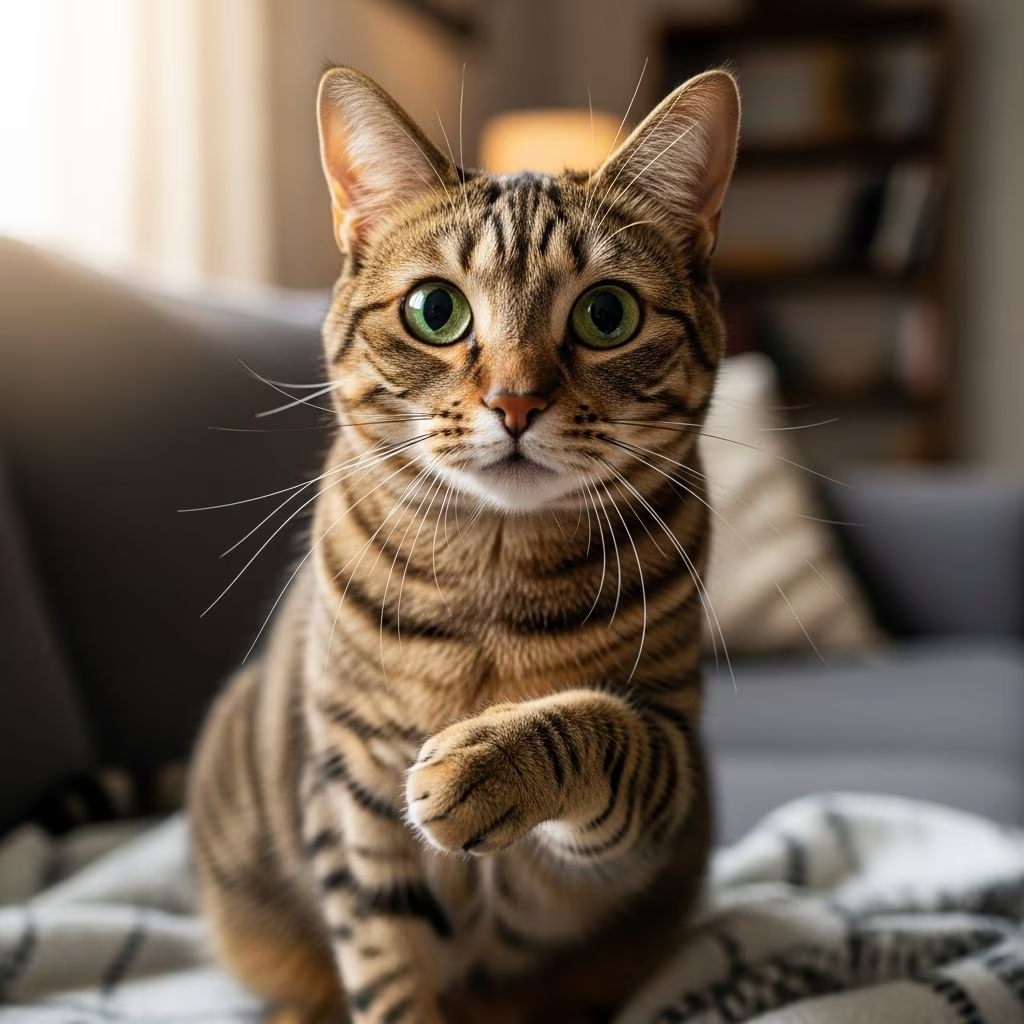
Cats are renowned for their independent nature, but many owners notice subtle shifts in behavior upon returning home after time away. These **signs your cat missed you** reveal the depth of the emotional bond between felines and their humans, challenging the stereotype of the aloof cat. From enthusiastic greetings to changes in daily habits, understanding these cues helps strengthen your relationship and address potential separation anxiety.
Introduction: Do Cats Really Miss Their Owners?
While dogs may bound to the door with tails wagging, cats express missing their owners in more nuanced ways. Research shows cats form secure attachments similar to infants with caregivers, displaying stress during separations. A study in the Journal of Veterinary Behavior (2015) found cats exhibit disrupted behaviors when left alone for extended periods, indicating emotional distress. Globally, 36% of cat owners report signs of loneliness in their pets after overnight absences, per a 2021 Statista survey.
This article breaks down the **10 key signs your cat missed you**, supported by behavioral science, expert insights, and practical tips. Whether you’ve been gone for hours or weeks, these indicators highlight your cat’s attachment and guide you in easing their anxiety.
1. Extra Affectionate Greeting
One of the most heartwarming **signs your cat missed you** is an unusually warm welcome. Instead of their typical casual acknowledgment, your cat may rub against your legs, purr loudly, or headbutt you repeatedly. This behavior, known as bunting, deposits their scent on you to reaffirm the bond.
Experts note this excitement is ‘out of the ordinary’ for cats, often involving trilling or chirping sounds. It’s their way of saying, ‘You’re back!’ after sensing your absence through routine disruptions.
2. Increased Vocalization
Cats that miss their owners become chattier. Expect more meowing, yowling, or crying upon your return, especially if they were pacing or watching the door while you were gone. This vocal outburst serves as communication, expressing relief or drawing your attention.
Separation anxiety manifests as excessive meowing even during short absences. The American Association of Feline Practitioners highlights that such vocalizations are often misdiagnosed as misbehavior rather than emotional needs.
3. Clinginess and Demanding Attention
Sudden clinginess—following you room to room, jumping into your lap uninvited, or pawing at you—is a classic indicator. Cats who feel your absence may seek prolonged physical contact to rebuild security.
This shift from independence to neediness underscores their reliance on you for emotional stability. Pet behaviorists explain it as a response to loneliness, where the cat craves the comfort of your presence.
4. Sleeping on Your Belongings
Finding your cat curled up on your clothes, bed, or favorite chair? They’re drawn to your scent for comfort during your absence. This self-soothing behavior mimics seeking a familiar ‘parent’ and is prevalent in bonded cats.
Studies confirm cats associate owner scents with safety, reducing cortisol stress levels. It’s particularly common after short-term separations, like a day at work.
5. Changes in Appetite
A noticeable drop or spike in eating habits signals distress. Cats missing owners may refuse food due to anxiety-induced digestive issues or overeat for comfort. Loss of appetite can lead to weight loss, while excessive eating risks obesity.
Veterinarians stress checking for underlying health issues first, as appetite changes mimic urinary tract infections or other conditions.
6. Excessive Grooming or Lethargy
Over-grooming results in bald patches or skin irritation, a stress response to loneliness. Conversely, lethargy—excessive sleeping or listlessness—indicates depression-like states.
Reduced activity harms muscle health and joints. Behavioral experts link this to boredom without owner interaction, urging environmental enrichment.
7. Destructive Behavior
Knocking items off shelves, scratching furniture, or chewing objects points to frustration from missing you. This ‘acting out’ relieves pent-up energy and anxiety.
It’s not spite but a cry for attention. Cats may target your items specifically due to their scent.
8. Restlessness or Pacing
Pacing near doors/windows or restlessness like yelping shows anticipation of your return. This stems from disrupted routines and pattern recognition of your habits, like key jingles.
Research in Animal Cognition (2022) confirms cats remember voices and routines for months, heightening their awareness of absences.
9. Litter Box Issues
Elimination outside the box or frequent visits without results signals high stress. Separation anxiety affects bladder control, per veterinary guidelines.
Rule out medical causes like infections before attributing to emotions. Consistent litter habits restore during reunions.
10. Aggression Toward Others
Your cat may growl or swipe at sitters/pets, redirecting upset from your absence. This protects their territory until you’re back.
It’s temporary; affection resumes with you, highlighting selective bonding.
Science Behind Cat Attachment
Cats form secure attachments, per attachment theory research. A 2019 University of Lincoln study showed 65% of cats display separation distress, mirroring human-infant bonds. They produce cortisol during absences, elevating heart rates.
Unlike dogs’ exuberance, cats’ subtlety stems from solitary evolution, but domestication fosters human dependency.
Short-Term vs. Long-Term Absence
| Type | Duration | Common Signs | Impact |
|---|---|---|---|
| Short-Term | Hours to 1 day | Mild vocalization, waiting by door | Minimal; cats nap independently |
| Long-Term | Days to weeks | Appetite loss, depression, over-grooming | High risk of anxiety, health decline |
Adult cats handle brief separations better, but prolonged ones trigger profound changes.
How to Help Your Cat Cope
- Leave scent items (unwashed clothes) for comfort.
- Use puzzle feeders, toys for stimulation.
- Minimize departure cues (keys in pocket early).
- Schedule play/cuddles upon return.
- Consider sitters for check-ins; pheromone diffusers.
- Consult vets for persistent issues.
Frequently Asked Questions (FAQs)
Do cats recognize owners after months apart?
Yes, cats remember via scent, voice, and routines for months, per Animal Cognition (2022).
Do cats grieve or cry real tears?
Cats show grief through vocalizations and withdrawal, but not tears like humans. Behaviors mimic mourning lost bonds.
Can all cats develop separation anxiety?
Any cat can, especially rescues or those with strong bonds. Early socialization helps resilience.
How long until a cat forgets you?
Bonded cats remember indefinitely; memory tied to positive associations.
Conclusion
Recognizing **signs your cat missed you** deepens appreciation for their subtle emotions. By addressing needs during absences, you foster a happier, healthier feline companion. Cats may not wag tails, but their love shines through actions.
References
- Do Cats Miss Their Owners? Signs, Science & Expert Insights — Pet Care Shed. 2023. https://petcareshed.com.au/blogs/pet-supplies/do-cats-miss-their-owners
- Five Signs of Cats Missing Their Owners — ArkPet. 2023. https://thearkpet.com/blogs/all-you-want-to-know-of-cat/five-signs-of-cats-missing-their-owners
- Does Your Cat Miss You When You’re Gone? — Rover.com. 2023. https://www.rover.com/blog/do-cats-miss-their-owners/
- 8 Signs of Separation Anxiety in Cats And What to Do About Them — Hickory Veterinary Hospital. 2023. https://www.hickoryvet.com/services/cats/blog/8-signs-separation-anxiety-cats-and-what-do-about-them



