

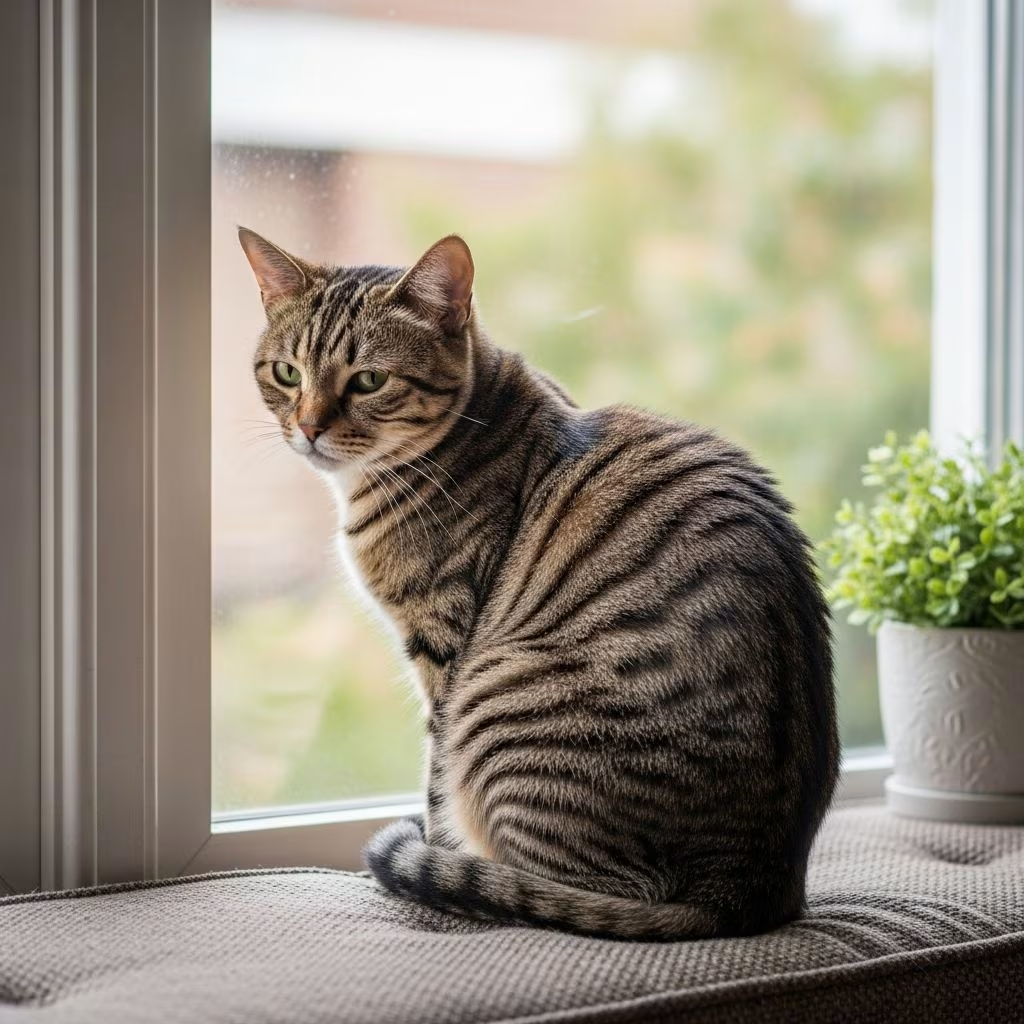
Cats are natural hunters with high energy levels that require regular play to stay physically fit, mentally stimulated, and emotionally balanced. Insufficient playtime often manifests in unwanted behaviors, as noted by feline behavior specialists who attribute most behavioral issues to lack of engagement. This article explores 11 common signs your cat needs more interactive play, backed by expert insights, and provides practical solutions to address them.
They keep biting stuff
One of the first indicators of unmet play needs is excessive biting on household items, hands, or even feet. Cats redirect their hunting instincts onto inappropriate targets when toys aren’t available, leading to nipping that can escalate to aggression. Feline behaviorist Jennifer Van de Kieft emphasizes that play mimics predation, satisfying innate drives.
To counteract this, introduce wand toys or laser pointers that simulate fleeing prey. Sessions should end with a ‘kill’ moment, like tossing a treat-filled toy, to fulfill the hunt-eat cycle.
They stalk and pounce on you
If your cat treats you like prey—crouching low, staring intently, then leaping—it’s a clear signal of pent-up energy seeking an outlet. This ambush behavior stems from boredom and under-stimulation, common in indoor cats without adequate outlets.
Observe their solo play: if they chase objects like strings or shadows, replicate that with interactive toys. Experts recommend observing how your cat plays alone to tailor sessions effectively. Redirect by initiating play before they pounce on you.
They get the zoomies!
Sudden bursts of frantic running, leaping off furniture, or racing through hallways—known as ‘zoomies’—are explosive releases of excess energy. This hyperactivity signals your cat’s need for structured exercise, as they can’t self-regulate without it.
A quick 5-15 minute session with a wand toy can exhaust this energy. Jennifer Van de Kieft advises whipping out toys immediately to channel the frenzy productively.
They vocalize excessively
Increased meowing, yowling, or chirping, especially pawing at legs, indicates attention-seeking due to boredom. Cats meow primarily to communicate with humans, ramping up when play is scarce.
- Constant meowing while following you around.
- Pawing or nuzzling insistently for interaction.
Respond by playing with their favorite toy, like a thrown fuzzy mouse, to engage them fully.
They engage in destructive behavior
Scratching furniture, knocking items off shelves, or inappropriate elimination like peeing on beds often roots in frustration from lack of play. Destructive acts vent bottled-up energy, potentially leading to aggression.
Invest in scratching posts, roller balls, or puzzle feeders. Veterinary checks rule out medical causes first, then prioritize play to prevent costly damage.
They climb on counters or go places they shouldn’t
Bored cats explore forbidden zones like kitchen counters or high shelves seeking stimulation. Negative attention reinforces this if play isn’t provided elsewhere.
Behaviorist Lusvardi notes cats ignore ‘rules’ when bored, investigating for play opportunities. Provide vertical spaces like cat trees and redirect with toys.
They are engaging in repetitive behavior
Obsessively batting door jambs, chasing tails in circles, or staring at walls signals attempts to self-entertain. Repetitive actions fill voids left by insufficient stimulation.
Introduce variety: rotate toys weekly to maintain interest. Lusvardi’s cat stopped jamb-playing after consistent interactive sessions.
They wake you up in the middle of the night
Nocturnal yowling or pouncing at 3 a.m. disrupts sleep because cats’ natural crepuscular (dawn/dusk) activity peaks without daytime outlets. Scheduled evening play prevents this desperation.
Van de Kieft recommends bedtime play sessions to align their cycle with yours.
Your cat is more needy than usual
Beyond vocalizing, needy cats sulk, ignore you snobbishly, or demand constant lap time as substitutes for play. This grumpiness reflects unmet engagement needs.
Coax them with fetch games or hide-and-seek, mimicking their preferred interaction style.
Your cat is getting fatter
Weight gain from overfeeding as a play substitute leads to obesity risks. Play burns calories and prevents emotional eating.
| Issue | Solution |
|---|---|
| Overweight | Vet diet + puzzle toys for slow eating |
| Low activity | Interactive feeders + daily play |
Consult vets for plans; toys like treat dispensers promote movement.
They show lack of interest in toys or sleep excessively
Paradoxically, disinterest in toys or oversleeping indicates boredom-induced depression, not laziness. While cats sleep 12-16 hours daily, excess points to under-stimulation.
Refresh with new textures/sounds; health checks rule out issues like pain or anxiety.
How much should you play with your cat?
Aim for 2-4 sessions daily, 5-15 minutes each, tailored to age and energy. Shorter, frequent bursts are more effective than marathon sessions.
- Kittens/young cats: 15-30 min total, high intensity.
- Adults: 10-20 min, twice daily.
- Seniors: Gentle 5-10 min, focus on mental stim.
Time before meals to mimic hunting; follow with food/treats.
Best ways to play with your cat
Interactive trumps solo toys: wands, da birds, or DIY prey mimics excel. Watch solo play for cues—object-focused means toy time; hide-and-seek for others.
Rotate toys, avoid overstimulation. No gadget beats human-led prey simulation.
Frequently Asked Questions (FAQs)
Q: How often should I play with my cat?
A: 2-4 short sessions (5-15 min) daily, ideally before meals to satisfy their hunt-eat-sleep cycle.
Q: What if my cat ignores toys?
A: Check health first; introduce slowly with prey-like movement. Stress/anxiety may underlie disinterest.
Q: Can play fix destructive scratching?
A: Yes, by expending energy; pair with posts and positive redirection.
Q: Why does my cat wake me at night?
A: Unspent energy from insufficient daytime play; evening sessions help.
Q: Is my overweight cat bored?
A: Likely; substitute play for treats, use activity feeders.
References
- Signs That Your Cat Needs More Playtime — Multipet. 2023. https://www.multipet.com/signs-that-your-cat-needs-more-playtime/
- 11 Signs Your Cat Is Not Getting Enough Playtime — Kinship. 2024-05-15. https://www.kinship.com/cat-behavior/signs-your-cat-is-not-getting-enough-playtime
- Is Your Cat Bored? 7 Signs & What You Can Do — Baypath Humane Society. 2024. https://baypathhumane.org/is-your-cat-bored-7-signs-what-you-can-do/
- Why Some Cats Never Play (And What It Really Means) — Senior Cat Wellness (YouTube). 2025-12-20. https://www.youtube.com/watch?v=YHY3L94lq_8



