

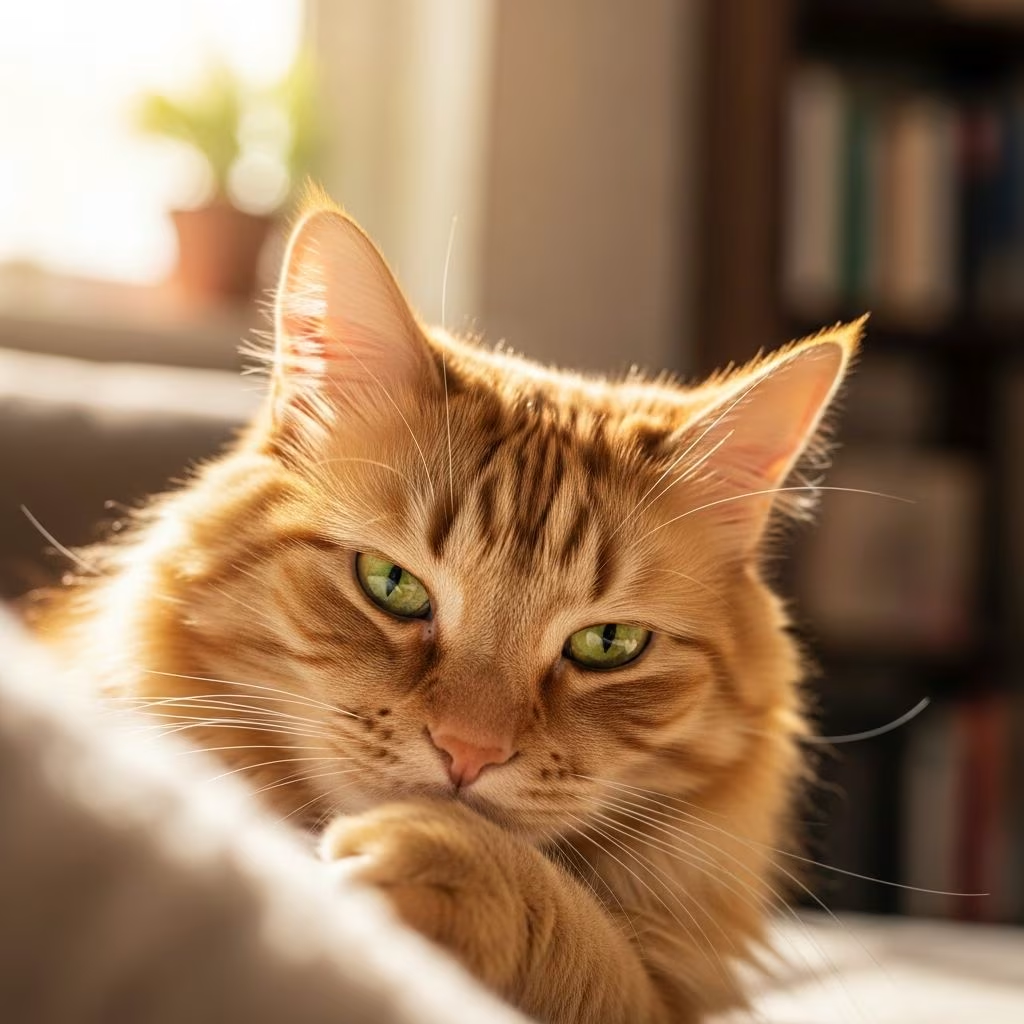
Cats communicate happiness through subtle body language, vocalisations, and behaviours that may not always be obvious to the untrained eye. Recognising these **signs your cat is happy** helps owners foster a nurturing environment, enhancing their pet’s quality of life and deepening the human-feline bond.
Why Understanding Cat Happiness Matters
Feline happiness is not expressed with exuberant tail wags like dogs; instead, cats rely on nuanced cues such as relaxed postures and affectionate gestures. A content cat exhibits physical health markers alongside emotional signals, indicating a stress-free life. Studies from veterinary behaviourists emphasise that happy cats groom meticulously, play actively, and engage socially, reflecting overall well-being. Ignoring these signs can lead to undetected stress or health issues, so vigilance is key for responsible pet ownership.
Environmental enrichment, routine care, and responsive interaction amplify these happiness indicators. For instance, providing scratching posts, toys, and quiet spaces encourages natural behaviours linked to contentment.
1. Purring: The Classic Sign of Contentment
**Purring** stands as the most recognised indicator of a happy cat, often described as a rhythmic hum emanating from their chest during petting or cuddling. While cats purr in distress too, a steady, soft purr during relaxed moments signals trust and satisfaction, rooted in kitten-mother bonding.
Listen for this soothing vibration when your cat nestles beside you; it’s their way of affirming all is well. Encourage it with gentle strokes on favoured spots like the chin or cheeks. Frequency increases in secure homes, underscoring its reliability as a happiness metric.
2. Slow Blinking: A Feline Kiss of Trust
The **slow blink**, where your cat half-closes its eyes languidly, is a profound trust signal equivalent to a human smile. Feline behaviourists note this as a relaxation cue, indicating safety in your presence.
Reciprocate by slow blinking back to strengthen rapport. Cats avoiding eye contact or staring intently may feel threatened, contrasting the happy, soft gaze. This subtle exchange builds emotional intimacy over time.
3. Head Butting and Nuzzling: Scent Marking Affection
When your cat **head-butts** or nuzzles you, it’s not mere playfulness—it’s scent-marking from facial glands, claiming you as family. This behaviour denotes deep comfort and happiness, as cats reserve it for trusted individuals.
- Rubbing cheeks against your legs or hands.
- Bunting foreheads onto your face or shoulders.
- Following with purring for amplified affection.
Such actions integrate you into their territory, a high compliment in cat society.
4. Playful Behaviour Beyond Kittenhood
A **playful cat** chasing toys or pouncing on shadows reveals mental stimulation and joy, persisting into adulthood for happy felines. Stressed cats withdraw from play, so eagerness signals vitality.
Engage with interactive toys like feather wands to elicit leaps and ambushes. Playfulness with other pets further confirms social contentment. Schedule 15-20 minute sessions daily to sustain this happiness hallmark.
5. Chirping, Trilling, and Meowing: Joyful Vocalisations
Happy cats produce **chirps** (short, high-pitched sounds) or **trills** (rolled greetings) to express delight upon seeing you. Soft meows invite interaction, differing from demanding yowls.
These vocal cues, combined with tail lifts, indicate positive emotions. Observe context: greeting chirps mean excitement and security.
6. Healthy Appearance and Grooming Habits
A **sleek coat** and meticulous self-grooming reflect emotional wellness, as unhappy cats neglect hygiene. Look for:
- Shiny, mat-free fur from frequent licking.
- Steady weight and bright eyes.
- Relaxed posture with high-held tail.
Physical vibrancy mirrors inner peace; monitor for changes signaling distress.
7. Tail Signals: High and Quivering
**Tail up**—vertical with a slight quiver—greets familiars happily, akin to a handshake. Loose swishes denote relaxation, while thrashing warns of irritation.
| Tail Position | Meaning |
|---|---|
| Straight up, quivering | Happy greeting |
| High but still | Confident contentment |
| Low or tucked | Fear or unhappiness |
| Fast swish | Agitation |
This body language is instinctive, evolved for clear communication.
8. Kneading or ‘Making Biscuits’
**Kneading** paws rhythmically on soft surfaces recalls nursing comfort, performed by happy, secure cats. Drooling often accompanies, amplifying the bliss display.
Provide blankets for safe kneading spots. This persists lifelong in content adults.
9. Exposing the Belly: Ultimate Trust
A cat **showing its belly** invites gentle pets, signifying profound trust—not an invitation to rough play. Happy cats relax fully, unlike defensive rolls.
Respond lightly or admire without touching to honour vulnerability.
10. Eating Well and Healthy Appetite
**Robust appetite** at mealtimes confirms happiness; picky eating may indicate stress. Balanced nutrition supports shiny coats and energy for play.
11. Staying Close and Following You
Your cat **following you** or lounging nearby shows companionship desire, even from aloof breeds. Entering rooms without fleeing affirms comfort.
12. Bringing Gifts: Hunter’s Affection
Outdoor cats **gifting** prey or toys demonstrate provision instinct and love, trusting you with shares. Praise to reinforce positively.
How to Make Your Cat Even Happier
Enhance joy with:
- Daily play and enrichment toys.
- Quiet retreats and multi-level perches.
- Consistent routines for feeding and litter.
- Vet check-ups for health baselines.
Respond to their love languages—slow blinks, play, or space—for reciprocal happiness.
Frequently Asked Questions (FAQs)
Q: Is purring always a sign of happiness?
A: No, cats purr when in pain or anxious too, but steady purring during relaxation is a strong happiness indicator.
Q: Why does my cat slow blink at me?
A: It’s a trust signal meaning they feel safe and content with you. Blink back to reciprocate.
Q: What if my cat doesn’t play much?
A: It could signal stress or health issues; introduce varied toys and consult a vet.
Q: Does a high tail always mean happiness?
A: Yes, especially with quivering; context like approach matters.
Q: How can I tell if my cat is unhappy?
A: Look for hiding, aggression, poor grooming, or appetite loss—address promptly.
Q: Are gifts from cats a good sign?
A: Absolutely, it’s their way of showing affection and trust.
References
- Happy Cat 101: 8 Signs of Feline Contentment — Earth Buddy Pet. 2023. https://www.earthbuddypet.com/blogs/pet-care/signs-of-happy-cat
- How Cats Show Affection: Signs Your Cat Loves You — Kinship. 2023. https://www.kinship.com/cat-behavior/cat-signs-of-affection
- 30 Strange Signs My Cat is Happy — Kinship. 2023. https://www.kinship.com/cat-behavior/signs-your-cat-is-happy
- The 12 Signs of an Extremely Happy Cat — Cats.com. 2024. https://cats.com/signs-of-a-happy-cat



