

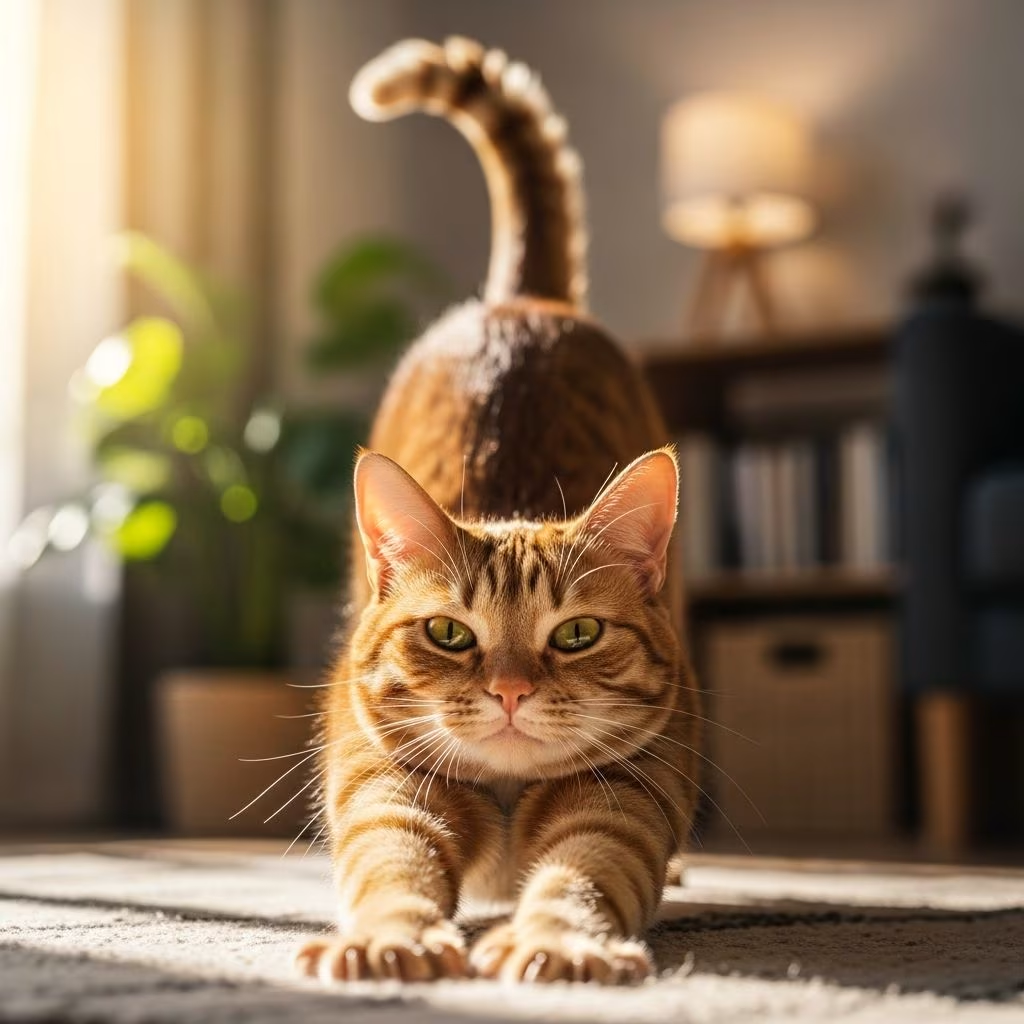
Understanding whether your cat is happy is one of the most rewarding aspects of cat ownership. Unlike dogs, cats communicate their emotions in subtle ways that require careful observation and interpretation. By learning to recognize the key signs of a content cat, you can ensure your feline companion is thriving both physically and emotionally. Whether you’re a new cat owner or a seasoned feline enthusiast, this guide will help you decode your cat’s happiness signals and strengthen your bond.
Vocalization Signs of a Happy Cat
One of the most recognizable indicators of cat happiness is vocalization. Cats express their contentment through a variety of sounds, each carrying its own meaning.
Purring
Purring is the quintessential sign of a happy cat. Most people recognize this characteristic throat-rumbling as a signal of feline contentment. Kittens begin purring just a few days old as a way to communicate with their mothers, and this behavior persists throughout their lives as a primary expression of happiness and comfort. When your cat curls up next to you and their motor starts, you can be assured they are content.
However, it’s important to note that cats can occasionally purr when frightened, injured, or stressed, such as during a veterinary visit. The key is to consider the context: if your cat appears relaxed, settled, and physically comfortable, their purring is almost certainly a sign of happiness. Combining purring with other positive behaviors provides clear confirmation that your cat is feeling good about their situation.
Chirruping and Trilling
Not all cats vocalize in the same way, but chirruping—a distinctive trilling sound—is a clear indicator of feline happiness. This delightful vocalization often serves as an invitation: your cat might use it to encourage you to follow them to the treat jar, to request playtime, or simply to ask for affection. It’s a friendly, engaging sound that demonstrates your cat feels safe and happy in your presence.
Greeting Meows and Conversation
While cats don’t meow to communicate with each other, greeting meows and conversational sounds directed at you are a wonderful sign of happiness. A happy cat will engage in back-and-forth exchanges with their humans, effectively “talking” to you. These vocalizations show that your cat sees you as a valued companion and is comfortable initiating contact and communication.
Body Language and Physical Signs
A cat’s body language provides some of the most telling signs of their emotional state. Understanding these signals allows you to “read” your cat’s mood at a glance.
Tail Position and Movement
The tail is one of the most expressive parts of your cat’s body. A straight, upright tail is a classic sign of a happy, content cat. When your cat walks toward you with their tail held high, they’re signaling confidence and happiness. Some cats even add a slight hook or curve to the tip of their tail when they’re especially pleased.
An even more dramatic sign is a vibrating or quivering tail, which often accompanies moments of heightened excitement and joy. This tail vibration typically indicates your cat is thrilled to see you or is particularly engaged with an activity. In contrast, a tail that swishes rapidly or bristles out often signals agitation or stress, helping you distinguish between different emotional states.
The Slow Blink or “Cat Kiss”
One of the most endearing and scientifically recognized signs of cat happiness is the slow blink, often called the “cat kiss.” This behavior involves your cat making warm eye contact with you and then blinking slowly and deliberately. It’s a genuine expression of affection and trust. When your cat gives you a slow blink, you can reciprocate by slowly blinking back, then looking away—this mutual exchange reinforces the bond between you and your feline friend.
Head Rubbing and Cheek Marking
When your cat rubs their head against you or performs a head-butt, they’re engaging in a behavior that goes beyond simple affection. Cats have scent glands on the sides of their faces, so this marking behavior is their way of claiming you as “theirs.” This is a significant sign of happiness and trust, indicating your cat feels secure in the relationship and wants to establish a bond. Your cat may even create elaborate figure-eights around your ankles while performing these head rubs, though be cautious if they do this while you’re carrying items!
Rolling Over and the Social Roll
When a cat performs the social roll—lying down in front of you, rolling over on their back, and exposing their belly—they’re demonstrating significant trust and happiness. This vulnerable position shows your cat feels safe in your presence. The social roll is often accompanied by head-to-ground contact, where your cat places their head on your feet or shoes as part of this affectionate greeting.
It’s important to note that while a happy cat loves the social roll, not all cats enjoy having their belly touched. Some may show happiness through this behavior but still prefer not to have their exposed belly stroked. Respect your individual cat’s preferences while recognizing the behavior itself as a sign of contentment.
Arching and Relaxed Posture
A happy cat displays a relaxed posture, stretching out comfortably and showing vulnerable parts of their body. When you reach to pet your cat and they arch their back to meet your hand, or turn their head toward you to position themselves for chin scratches, these are clear signs of happiness and engagement.
In contrast, anxious or unhappy cats will hunker down, make themselves small, or move into defensive positions. By observing whether your cat stretches out openly or curls up tightly, you can gauge their emotional state and comfort level.
Ear and Whisker Position
A happy cat typically displays forward-pointing ears and relaxed whiskers. Ears that are alert and pointed forward show your cat is engaged and interested in their environment. Whiskers that extend naturally outward (rather than pulled back against the face) indicate a relaxed, content state. When ears are pinned back against the head or whiskers are pulled back tightly, your cat may be experiencing stress or fear.
Behavioral Indicators of Happiness
Beyond vocalizations and body language, specific behaviors reveal whether your cat is genuinely happy and content.
Making Biscuits (Kneading)
Kneading, or “making biscuits,” is a delightful behavior where cats push their paws rhythmically into soft surfaces, mimicking the motion of kneading dough. Cats perform this action on blankets, soft furniture, or their favorite people. This behavior originates from kittenhood, when kittens knead their mother while nursing—a deeply comforting and secure memory. When adult cats knead, especially while purring, it’s one of the strongest indicators of contentment and happiness. Many cat owners consider this behavior the absolute height of feline bliss.
Grooming in Front of You
When a cat comes out into the open and begins grooming themselves in front of you—perhaps raising a leg and licking, or attending to their face and ears—this is a sign they feel comfortable and at ease in your presence. Grooming in front of you demonstrates that your cat is relaxed enough to let their guard down and engage in self-maintenance. Regular grooming overall is also indicative of a healthy, happy cat.
Playfulness and Toy Engagement
Happy cats play regularly with their toys and with the people and other animals in their household. Play behavior, especially in younger cats, is a strong indicator of contentment. Whether your cat is attacking a hanging feather toy, chasing a toy mouse down the hallway, or engaging in interactive play with you, this activity demonstrates they have the energy, interest, and mental engagement that characterize happy felines.
In contrast, stressed or unhappy cats tend to hide, avoid interaction, and lose interest in play. If you notice your cat has stopped engaging in play activities they once enjoyed, this could signal an underlying issue that warrants attention from your veterinarian.
Affectionate Behavior and Seeking Closeness
Happy cats are naturally drawn to their humans and seek out closeness and affection. A content kitty will solicit snuggles, cuddles, lap sits, and co-sleeping arrangements. Your cat might seek head scritches, enjoy chin scratches, or appreciate gentle strokes along their back and sides. While every cat has unique preferences—some prefer to sit on your lap while others prefer to rest nearby—the common thread is that happy cats want to be near their humans.
Greeting behavior also indicates happiness: if your cat comes to the door when you arrive home, lifts their head, meows, or gives you a welcoming chirrup, they’re demonstrating genuine pleasure at your return.
Appropriate Litter Box Usage
A happy cat will consistently use their litter box appropriately. When cats are content, they tend to be more forgiving of minor maintenance lapses with their litter facilities. Conversely, if your cat is anxious, stressed, or unhappy, they may express this by eliminating outside the litter box. If you notice changes in litter box habits, this is an important signal to evaluate your cat’s environment and overall wellbeing, and to consult with your veterinarian to rule out medical issues.
Curiosity and Environmental Engagement
Friendly and curious attitudes characterize happy cats. A content cat approaches you with their tail high, rubs against you, shows interest in what you’re carrying or what your hands smell like, and generally seems engaged with their surroundings. This curiosity and friendliness indicate your cat feels safe and secure in their environment.
Creating an Environment for a Happy Cat
Understanding the signs of happiness is only half the equation; creating an environment that supports and encourages these behaviors is equally important. Happy cats thrive in environments that provide:
- Adequate space and vertical perches for climbing and surveying their domain
- Window access for bird watching and visual stimulation
- A variety of toys and enrichment activities to satisfy their hunting instincts
- Multiple litter boxes in accessible, quiet locations
- Regular interaction and playtime with their human companions
- Consistent feeding schedules and access to fresh water
- Safe spaces where they can retreat and relax when needed
- Environmental enrichment that keeps their minds engaged
Providing these elements helps ensure your cat has the physical and mental stimulation necessary for ongoing happiness and prevents behavioral issues that can arise from boredom or stress.
Recognizing When Something Is Wrong
Just as it’s important to recognize signs of happiness, it’s equally crucial to notice when your cat may be unhappy, stressed, or unwell. Changes in behavior can indicate underlying issues that require attention. If your cat suddenly stops engaging in previously enjoyed activities, becomes withdrawn, changes their litter box habits, or shows other behavioral shifts, these warrant discussion with your veterinarian to rule out medical problems or identify stressors in their environment.
Frequently Asked Questions About Cat Happiness
Q: Why does my cat purr when they’re not in my presence?
A: Cats purr for multiple reasons beyond happiness. They may purr to self-soothe, when in pain, or when stressed. However, purring combined with other positive behaviors like relaxed body language, tail-up position, and playfulness indicates genuine contentment.
Q: What should I do if my cat doesn’t display traditional happy behaviors?
A: Every cat has a unique personality. Some cats are naturally more aloof and independent while still being happy and healthy. If your cat is eating well, using their litter box regularly, and not showing signs of stress or illness, they may simply have a quieter way of showing contentment. Monitor for any changes in their typical behavior.
Q: How can I encourage more happiness in my cat?
A: Provide environmental enrichment, engage in regular play sessions, offer praise and gentle affection according to your cat’s preferences, maintain a consistent routine, and ensure their basic needs for food, water, and litter are always met. Most importantly, let your cat set the pace for interaction while remaining available and responsive.
Q: Is it normal for my cat to hide frequently?
A: Occasional hiding is normal, especially in new environments or stressful situations. However, if your cat is hiding significantly more than usual or seems withdrawn, this may indicate stress, illness, or anxiety that should be evaluated.
Q: Can indoor cats be as happy as outdoor cats?
A: Yes, indoor cats can be extremely happy when provided with adequate enrichment, stimulation, and interaction. Window perches, toys, climbing structures, and regular human engagement all contribute to a fulfilling indoor cat’s life.
References
- How to Tell if Your Cat is Happy — Arm & Hammer. https://www.armandhammer.com/en/articles/is-my-cat-happy
- Is My Cat Happy? — PetMD. https://www.petmd.com/cat/behavior/is-my-cat-happy
- The Telltale Signs of a Happy Cat — Michelson Found Animals. https://www.foundanimals.org/telltale-signs-happy-cat/
- Is Your Kitty Content? 6 Signs of a Happy, Healthy Cat — Belton Vet Clinic. https://www.beltonvetclinic.com/services/cats/blog/your-kitty-content-6-signs-happy-healthy-cat
- Cat Body Language — Cats Protection. https://www.cats.org.uk/help-and-advice/cat-behaviour/cat-body-language



