

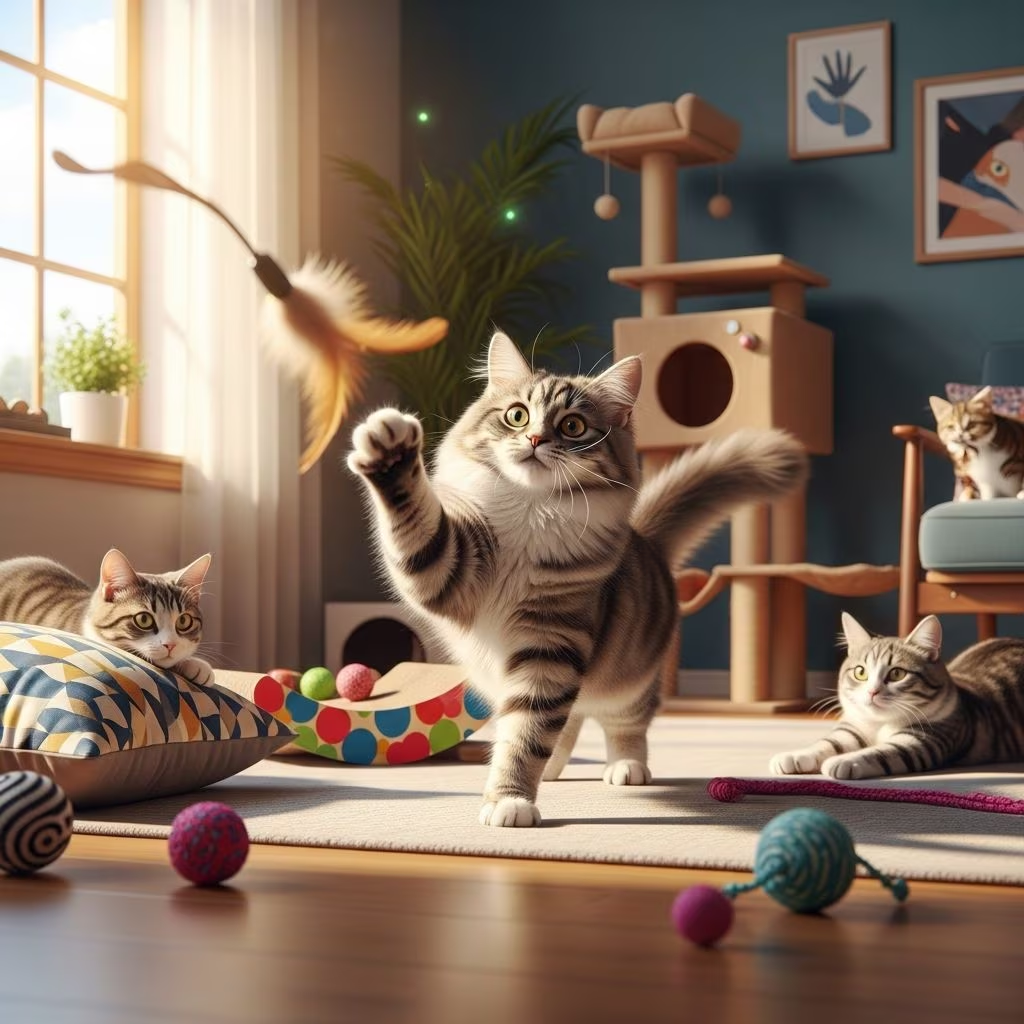
Cats are often stereotyped as solitary creatures, but many exhibit distinctly **extroverted** personalities, craving social interaction, adventure, and stimulation much like their human counterparts. Extroverted cats thrive on attention, explore fearlessly, and energize from company rather than retreating to recharge alone. Recognizing these traits helps owners provide the right environment to keep their feline friends happy and healthy. This guide outlines the primary signs of an extrovert cat, contrasts them with introverted behaviors, and offers tips for nurturing their outgoing nature.
Understanding Cat Personality Types
Like humans, cats display a spectrum of personalities shaped by genetics, early experiences, and environment. Research identifies key traits such as **extraversion**, where cats are curious, nosy, and quick to engage with novelty. A study referenced in behavioral analyses notes five feline personality dimensions—neuroticism, extraversion, dominance, impulsiveness, and agreeableness—with extraverted cats scoring high in curiosity and social seeking. Most cats blend traits, but extroverts lean toward boldness and interaction.
Extroverted cats differ markedly from introverts, who prefer solitude and predictability. While introverts hide from change and company, extroverts dive in headfirst. Understanding this helps match cats to suitable homes, as highly extraverted felines may struggle without stimulation, leading to restlessness or destructiveness.
Key Signs Your Cat Is an Extrovert
Spotting an extrovert cat is straightforward through observable behaviors. These felines are the life of the party, always involved and energized by their surroundings.
- Greets Visitors Enthusiastically: Instead of hiding at the doorbell, your cat bounds forward to inspect newcomers, rubbing against legs or demanding pets from strangers. This social butterfly trait shows comfort in crowds.
- Craves Constant Attention: Extroverts love being the center of focus, weaving into family activities and soliciting pets from anyone willing. They follow you room-to-room, ensuring they’re never sidelined.
- High Energy and Vocal Expression: These cats are lively, meowing loudly to communicate needs or excitement, with boundless energy for play. Their ADD-like attention span keeps them darting from one activity to the next.
- Bold Explorer: Fearless adventurers, they investigate new objects, changes, or environments without hesitation, rarely startled by novelty. Curiosity drives them to poke into boxes, cabinets, or outdoor spaces.
- Tolerates or Enjoys Dress-Up: Unlike introverts who hate anything undignified, extroverts often tolerate collars, ties, or clothes, viewing them as fun accessories.
- Thrives on Social Stimulation: Post-interaction, they don’t crash to recharge; instead, they energize from contact, like therapy-visit cats who buzz with excitement.
Traits of Extrovert vs. Introvert Cats
To clarify, here’s a comparison table of extrovert and introvert behaviors based on common observations.
| Behavior | Extrovert Cat | Introvert Cat |
|---|---|---|
| Visitors | Comes out to greet | Hides or avoids |
| Attention | Loves being the focus | Prefers to be ignored |
| Petting | Enjoys from family and strangers | Only from select people, on their terms |
| Family Activities | Must be involved | Occasional participation, prefers quiet |
| Change | Finds it exciting | Upset by it |
| Attention Span | Short, ADD-like | Focused, deliberate |
| Recharge Time | Minimal, thrives on interaction | Needs lots of alone time |
| Exploring | Bold and eager | Cautious, easily startled |
| Dress-Up | Tolerates or enjoys | Hates it |
This table highlights how extroverts engage actively while introverts conserve energy. Many cats are ambiverts, mixing traits, but leaning extroverted means prioritizing stimulation.
How to Support Your Extrovert Cat
Extroverted cats need outlets for their energy to prevent boredom-induced issues like scratching or restlessness. Provide interactive toys, scheduled play sessions, and environmental enrichment like cat trees or puzzle feeders. Socialization from kittenhood boosts agreeableness, making them even friendlier.
- Daily playtime with wand toys or laser pointers to channel high energy.
- Introduce variety: Rotate toys, create new paths with boxes, or use window perches for people-watching.
- Social opportunities: Controlled visits or playdates with other pets if compatible.
- Training: Harness walking for safe outdoor exploration, satisfying their adventurous spirit.
Avoid isolation; these cats flourish in busy households. Monitor for overstimulation signs, like excessive vocalizing, and balance with quiet moments.
Science Behind Feline Extraversion
Personality in cats stems from genetic and experiential factors. The five-trait model includes extraversion as curiosity-driven nosiness, linked to quicker boredom and need for engagement. Orange cats, often male, show higher extroversion tendencies, possibly due to linked genes, though not definitively proven. Owners’ traits influence cats; extroverted humans may foster bolder felines.
Dominance and impulsiveness can amplify extroversion, making cats territorial yet reactive. Early socialization enhances agreeableness, turning potentially shy cats outgoing.
Frequently Asked Questions (FAQs)
What if my cat shows mixed traits?
Many cats are ambiverts, blending introvert and extrovert behaviors. Observe patterns: If they seek interaction more than solitude, they lean extrovert. Tailor environments accordingly.
Can introvert cats become extroverts?
With gradual socialization, yes—expose to stimuli positively. However, core traits persist; respect their comfort levels to avoid stress.
Do extrovert cats make good therapy animals?
Absolutely; they thrive on human contact without needing recharge time, energizing from visits rather than draining.
How much play do extrovert cats need?
At least 30-60 minutes daily, split into sessions, plus mental stimulation to curb destructive tendencies.
Are certain breeds more extroverted?
Breeds like Abyssinians or Siamese often show high extraversion due to active temperaments, but individuals vary.
Conclusion: Celebrate Your Cat’s Personality
Embracing whether your cat is an extrovert unlocks better care. These social dynamos bring joy through their zest—provide stimulation, and they’ll reward you with endless affection and antics. If unsure, observe daily habits against these signs for insights.
References
- Is Your Cat an Introvert or an Extrovert? You May Be Surprised! — Sparklecat.com. 2023. https://www.sparklecat.com/special/cat-introvert-extrovert
- 5 Feline Traits: Understanding Your Cat’s Personality — Autumn Trails Veterinary Center. 2024. https://autumntrailsvet.com/feline-traits/
- Is Your Cat an Extravert? — 16tests.com. 2023. https://www.16tests.com/en/blog/is-your-cat-an-extravert
- Science Says Orange Cats Are Extra Special In These 5 Ways — YourTango. 2026-01-08. https://www.yourtango.com/self/science-says-orange-cats-extra-special
- What a Cat’s Personality Says About Their Owner — Psychology Today. 2020-09. https://www.psychologytoday.com/us/blog/the-modern-heart/202009/what-cat-s-personality-says-about-their-owner



