

Signs Your Cat Has Fleas: 9 Key Indicators to Watch For
Fleas are one of the most common parasites affecting cats, and early detection is crucial for preventing discomfort and serious health complications. Because cats are meticulous groomers, flea infestations can sometimes go unnoticed at first, making it important to know what signs to look for. Understanding the physical symptoms, behavioral changes, and environmental indicators of a flea infestation can help you catch the problem early and get your feline friend the treatment they need.
Understanding Flea Bites on Cats
Flea bites appear differently depending on your cat’s skin sensitivity and the severity of the infestation. The most common appearance of flea bites on cats includes pink bumps, rashes, and scabs that can cause significant discomfort.
Pink Bumps
A flea bite on a cat typically appears as a single raised, pink bump or clusters of bumps grouped together on the skin. These bumps are the cat’s inflammatory response to the flea bite and can vary in size and intensity. In some cases, you may notice only a few isolated bumps, while in heavy infestations, the bumps may cover larger areas of the skin.
Rashes
When cats experience more intense itching from flea bites, the skin irritation can escalate into a widespread rash condition known as flea allergy dermatitis. This allergic reaction can cause the skin to become inflamed, red, and uncomfortable. Some cats develop severe reactions to flea saliva, which can trigger more dramatic skin responses than the actual bite itself.
Scabs and Open Sores
Due to the intense itching caused by flea bites, cats often scratch and bite at their skin, creating abrasions and secondary skin infections. These scratching behaviors can lead to the development of scabs, crusting, and in severe cases, open ulcers that are extremely painful for the cat.
Where Are Flea Bites Usually Found on Cats?
Fleas can live anywhere on your cat’s body, but they tend to concentrate in specific warm, moist areas where the skin is more accessible. When checking your cat for signs of fleas, focus on these common hotspots first:
- Head and neck region
- Base of the tail
- Hind legs
- Lower back and rump area
- Groin and inner thighs
- Armpits
These areas tend to be where flea bites are most visible and where “flea dirt” accumulates. By parting your cat’s fur in these locations, you’ll have a better chance of spotting fleas, flea eggs, or evidence of their presence.
8 Other Signs of Fleas on Cats
1. Pinhead-Size Black or Reddish-Brown Insects Crawling on Your Cat’s Fur
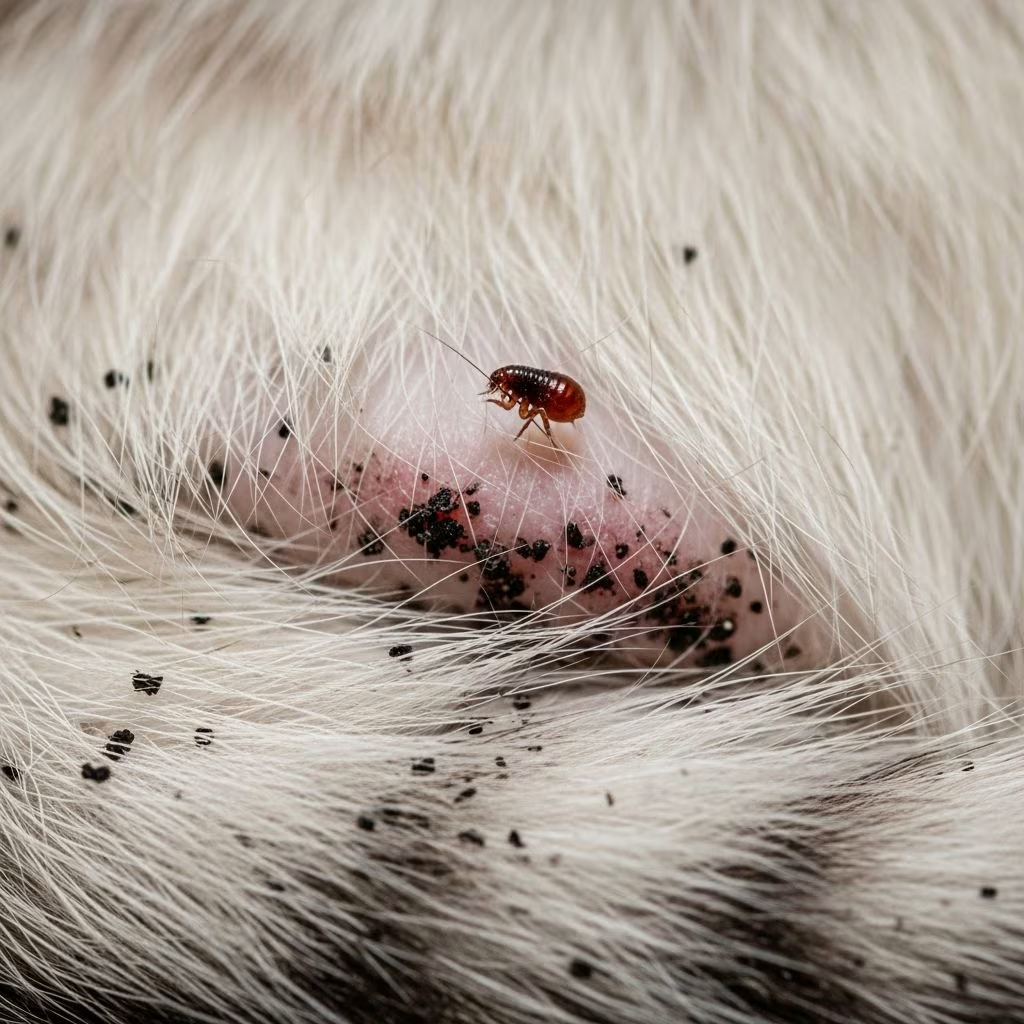
The most obvious indicator of a flea infestation is seeing the fleas themselves. Those tiny black or reddish-brown insects moving through your cat’s fur are adult fleas. Adult fleas have six legs and are fast-moving, making them relatively easy to spot if you know what to look for. In heavy infestations, you may also notice flea eggs on your cat or their bedding. Fleas gravitate toward the neck, lower back, back of the hind legs, and the base of the tail, so these are the best places to check. Part your pet’s fur in several places to examine their skin directly, as this will give you a clearer view of any insects present.
2. Intense and Frantic Scratching or Biting
One of the most telltale signs of fleas is sudden, intense scratching of the body with the paws or chewing and licking of the skin in an attempt to relieve the itchy sensation. Cats with fleas often engage in excessive grooming behaviors, which can become obsessive. You may notice your cat constantly licking, scratching, or biting at specific areas of their body, particularly around the base of the tail, hind legs, and belly. This scratching is often more pronounced at night and can cause your cat visible distress.
3. Hair Loss
Constant scratching and biting from flea bites can lead to significant hair loss in affected areas. You may notice patchy areas where your cat’s fur is thinner or completely missing. This hair loss, called alopecia, is often most noticeable around the neck, tail, and belly—the areas where fleas concentrate. The hair loss results both from the cat’s frantic scratching and from the inflammatory response to repeated flea bites.
4. Scabs and Skin Crusting
Beyond the initial flea bites, the constant scratching can create secondary wounds that develop into scabs and crusting. In severe cases, cats may develop open ulcers on their skin that are extremely painful. These secondary skin lesions are often accompanied by redness and inflammation. If left untreated, these wounded areas can become infected, requiring additional veterinary treatment.
5. Red and Inflamed Skin
Flea infestations cause noticeable redness and inflammation on a cat’s skin. The skin may appear irritated, raw, or sensitive to touch. This irritation is a result of both the flea bites themselves and the cat’s aggressive scratching response. In cases of flea allergy dermatitis, the skin inflammation can be particularly severe and widespread.
6. Excessive Grooming and Overgrooming
Cats are naturally meticulous groomers, but excessive grooming that goes beyond normal cleaning behavior is a red flag for flea infestation. You may notice your cat spending unusual amounts of time licking and grooming specific areas of their body. This overgrooming behavior is the cat’s attempt to remove fleas and alleviate the itching sensation, but it often leads to hair loss and skin irritation.
7. Tiny, Pepper-Like Specks on Your Cat’s Fur (Flea Dirt)
One of the most useful diagnostic signs is the presence of “flea dirt.” These dark brown specks are actually flea feces composed of digested blood. You’re most likely to see flea dirt on the neck and rump areas, but it may also appear on your cat’s brush or comb after grooming. A simple test to confirm flea dirt is to place some specks on a paper towel and mist them with water. They will turn red because the feces are composed of digested blood. This is a reliable indicator of flea presence even if you haven’t seen live fleas.
8. Flea Eggs and Debris
In addition to flea dirt, you may notice tiny white grains in your cat’s fur, which are flea eggs. These eggs are laid by female fleas and are the beginning of the flea life cycle. Finding flea eggs indicates an active infestation that requires immediate treatment.
9. Behavioral Changes and Restlessness
Cats with fleas often exhibit behavioral changes beyond just scratching. They may become restless, agitated, or anxious. Some cats may avoid certain areas of the home where fleas are concentrated. The constant itching and discomfort can affect your cat’s sleep patterns, appetite, and overall demeanor. You may notice your cat seeming less playful or more withdrawn than usual.
Complications Associated with Flea Infestations
While fleas are primarily annoying parasites, untreated infestations can lead to serious health complications for your cat. Understanding these potential complications emphasizes the importance of early detection and treatment.
Anemia
Severe flea infestations can cause anemia in cats, particularly in kittens, senior cats, or cats with other health conditions. Fleas feed on blood, and in cases of heavy infestation, the blood loss can be significant enough to cause anemia. Symptoms of feline anemia include lethargy, weakness, pale gums, and loss of appetite.
Flea Allergy Dermatitis
Some cats develop an allergic reaction to flea saliva, leading to a condition called flea allergy dermatitis. This condition causes intense itching and can result in severe skin lesions, even from just a few flea bites. The allergic reaction is disproportionate to the number of fleas present.
Secondary Skin Infections
The wounds created by scratching can become infected with bacteria, leading to secondary skin infections that may require antibiotic treatment.
Disease Transmission
Fleas can transmit infectious diseases and parasites, including tapeworms, to your cat. These secondary infections can cause additional health problems if not addressed promptly.
How to Tell If You Have Fleas in Your Home
Fleas don’t just infest your cat—they can spread throughout your home. Recognizing signs of fleas in your environment is just as important as identifying them on your pet.
- Tiny black specks (“flea dirt”) on carpets, rugs, or pet bedding
- Small red bite marks on your ankles or legs, especially after spending time on the floor
- Fleas visible moving quickly across light-colored surfaces
- Small, pepper-like debris when you vacuum
- Flea eggs in bedding or furniture
Key Differences Between Fleas and Ticks
While both fleas and ticks are parasites that affect cats, they have distinct characteristics. A tick usually feels like a small, stationary bump where the tick has attached itself to the cat’s skin. Ticks have eight legs, whereas adult fleas have six legs. Ticks move more slowly or may not move at all once they’ve attached, while fleas are fast-moving insects that jump quickly.
Frequently Asked Questions
Q: Can indoor cats get fleas?
A: Yes, indoor cats are just as susceptible to fleas as outdoor cats. Fleas can be brought into the home on clothing, other pets, or through open doors and windows. Indoor cats should receive year-round flea prevention.
Q: When are fleas most active?
A: Fleas are most active during warmer months, starting as early as March. However, they remain a year-round threat, especially in homes with consistent indoor temperatures. Many people mistakenly believe cats are safe from fleas after the first frost, but this is not the case.
Q: How can I confirm if my cat has fleas?
A: Use the flea comb test or water test on suspected flea dirt. Part your cat’s fur in suspected areas and look for moving insects. If you see dark specks that turn red when misted with water, this confirms flea presence. A veterinary examination can definitively diagnose a flea infestation.
Q: What’s the best way to treat fleas?
A: Vet-recommended flea and tick medications are the most effective strategy for keeping your cat and home flea-free. Treatment options include topical treatments, oral medications, and flea and tick shampoos. Your veterinarian can recommend the best option based on your cat’s age, health status, and lifestyle.
Q: How do I prevent flea infestations?
A: Use year-round flea prevention medications prescribed by your veterinarian, regularly groom and bathe your cat, vacuum frequently, wash bedding in hot water, and limit your cat’s exposure to potentially infested animals and environments.
References
- Flea Bites on Cats, and 8 Other Signs Your Cat Has Fleas — Chewy Education. 2024. https://www.chewy.com/education/cat/flea-and-tick/signs-your-cat-has-fleas
- Fleas and Ticks in Cats — Cat Care Hospital, Marietta, GA. 2024. https://www.catcarehospital.com/fleas-and-ticks-in-cats
- Everything You Need To Know About Cat Fleas and Ticks — Blue Oasis Pet Hospital. 2024. https://www.blueoasispethospital.com/services/cats/fleas-and-ticks-cats
- Understanding the Dangers of Flea and Tick Infestations — Carrollton Animal Hospital. 2024. https://carrolltonanimal.com/understanding-the-dangers-of-flea-and-tick-infestations/
- Fleas and Ticks for Cats – Get Information and Treatment — Valley West Veterinary Clinic. 2024. https://www.valleywestvets.com/services/cats/fleas-and-ticks-for-cats
- Fleas and Ticks — ASPCA Pet Care. 2024. https://www.aspca.org/pet-care/general-pet-care/fleas-and-ticks
- Common Signs of a Flea or Tick Infestation in Your Cat — HP Animal Hospital. 2024. https://www.hpanimalhospital.com/services/cats/fleas-and-ticks-cats



