

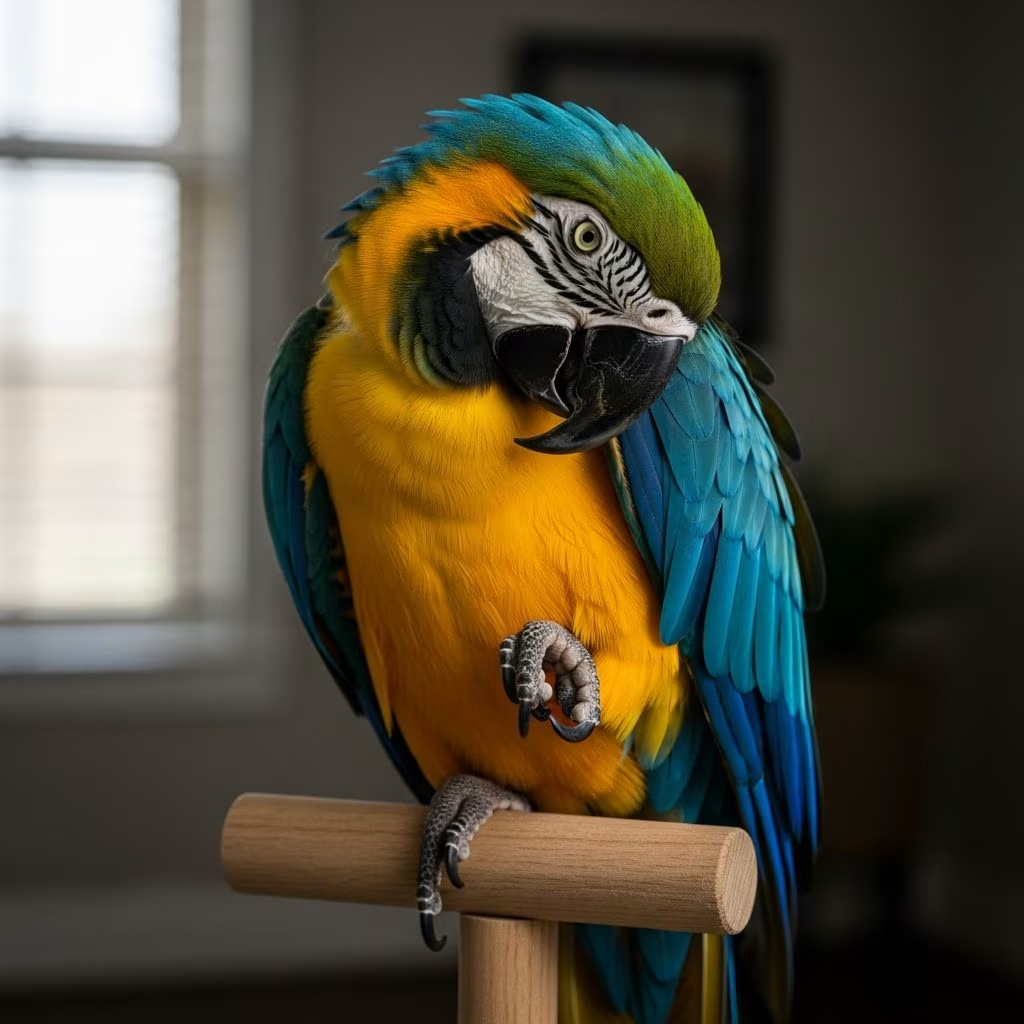
Signs Your Bird Hates You: Understanding Your Pet’s Unhappiness
As a bird owner, one of the most challenging situations you might face is realizing that your feathered companion seems unhappy or stressed by your presence. Birds are complex animals with distinct personalities and emotional needs, and sometimes the bond between a bird and its owner doesn’t develop as expected. Rather than accepting that your bird “hates” you, it’s more accurate to understand that your bird may be experiencing stress, fear, or frustration due to various factors in its environment or your interactions with it. By recognizing the warning signs early, you can take corrective action to rebuild trust and improve your relationship with your bird.
Understanding Bird Stress and Unhappiness
Birds are prey animals in their natural habitats, which means they are naturally cautious and sensitive to their surroundings. This instinct carries over into their domesticated lives, making them particularly susceptible to stress from loud noises, sudden movements, improper handling, or environmental changes. When a bird feels threatened or uncomfortable around its owner, it doesn’t express displeasure the way a cat or dog might. Instead, birds display specific behavioral and physical signs that indicate their emotional state. Understanding these signs is crucial for any responsible bird owner who wants to maintain a healthy, happy relationship with their pet.
Primary Behavioral Signs Your Bird Is Unhappy
Aggression and Biting
One of the most noticeable signs that your bird may be unhappy with you is aggressive behavior, particularly biting and lunging. While many people interpret bird biting as a sign of a mean or hostile bird, this is often a misunderstanding. In reality, biting is frequently a stress response and a form of self-defense. Your bird may bite or lunge at you when it feels threatened, scared, or cornered. If your bird suddenly increases its biting behavior after previously being calm, this warrants a veterinary examination to rule out pain or medical issues. However, if your bird is healthy, increased aggression typically signals that your bird is uncomfortable with how you’re handling it or interacting with it.
Avoidance and Distancing
An unhappy bird will actively avoid its owner whenever possible. Your bird may constantly retreat from your hand, panic when you approach the cage, or flee to a corner of the cage when you enter the room. This avoidance behavior is a clear indication that your bird does not feel safe around you. Birds that trust their owners will often fly toward them or approach willingly, so if your bird is doing the opposite, it’s communicating that something about your presence causes anxiety.
Turning Its Back on You
Larger bird species, such as macaws, cockatoos, and African grey parrots, commonly exhibit a specific behavior when they’re unhappy: turning their back on their owners. A depressed or frustrated bird will consistently turn away from you, avoid eye contact, and ignore your attempts to communicate. This behavior signals a withdrawal from the relationship and indicates that your bird has lost interest in interacting with you.
Ignoring Commands and Disobedience
If your bird was previously well-trained and followed commands reliably but has suddenly become disobedient, this is a significant sign of dissatisfaction. A bird that refuses to step up on your finger, ignores verbal cues, or deliberately disobeys previously learned commands is expressing its unhappiness through non-compliance. This behavioral shift often indicates that your bird has decided you are not trustworthy or that following your directions is not in its best interest.
Vocalization and Sound-Related Signs
Excessive Squawking and Screaming
Larger bird species are particularly known for excessive vocalization as a sign of frustration and rebellion. While birds naturally vocalize, an unhappy bird will scream and squawk more frequently and intensely than usual. These vocalizations often serve as expressions of anger, protest, and dissatisfaction. If your bird has developed a pattern of screaming whenever you’re nearby or at specific times of day when you’re home, this may indicate that your bird is unhappy with your presence.
Decreased Vocalization
Conversely, some unhappy birds will reduce their vocalization significantly. A bird that has become unusually quiet after being vocal may be depressed or withdrawn. This silence can be just as concerning as excessive noise because it suggests your bird has given up on attempting to communicate its needs to you.
Physical and Behavioral Stress Indicators
Feather Plucking and Self-Mutilation
One of the most serious signs that your bird is stressed or unhappy is feather plucking or feather mutilation. While feather plucking can result from medical issues, nutritional deficiencies, or parasites, it’s also a well-known indicator of psychological stress and unhappiness. Birds that feel anxious, bored, or constantly stressed by their owner’s behavior may resort to plucking their own feathers as a self-soothing behavior or a sign of severe distress. If your bird is exhibiting this behavior, a thorough veterinary evaluation is essential to rule out medical causes.
Trembling and Shivering
An unhappy or frightened bird may tremble or shiver when you approach. This physical manifestation of fear or anxiety indicates that your bird is uncomfortable in your presence and may view you as a threat. Trembling can occur in response to your movements, your voice, or your attempts to interact with the bird.
Pacing and Stereotypical Behaviors
Birds experiencing stress often engage in stereotypical behaviors such as pacing back and forth on the same perch, toe tapping, or head swinging. These repetitive behaviors are typically signs of frustration, boredom, or anxiety. If your bird is constantly pacing or engaging in obsessive repetitive movements, it’s indicating that something in its environment—potentially your interactions—is causing psychological distress.
Lack of Interest in Food and Toys
An unhappy or depressed bird may show diminished interest in eating, playing, or interacting with toys. If you notice that your bird is consistently uninterested in new toys or shows a lack of enthusiasm for activities it once enjoyed, this can signal depression or dissatisfaction. Additionally, birds are prey animals and will only eat when they feel safe in their environment, so if your bird refuses to eat in front of you, it may indicate that your bird doesn’t feel safe around you.
Hiding and Escape Attempts
An unhappy bird will seek out hiding spots that are difficult for you to access, such as behind curtains or on top of light fixtures. In extreme cases, an extremely distressed bird may attempt to escape from its cage or from your home entirely. These behaviors represent your bird’s desperation to get away from a situation it finds intolerable.
Common Reasons Why Your Bird May Be Unhappy
Improper Handling and Touching
One of the most common reasons birds become unhappy with their owners is improper handling. Birds have specific preferences about how and where they like to be touched. Many birds enjoy being touched under the chin or having their heads gently scratched, but they typically dislike being touched against the direction of their feathers or having their wings or backs handled. Forcing physical contact on a bird that doesn’t want it will quickly lead to resentment and stress.
Punishment and Negative Reinforcement
Using your hands to punish a bird—such as shooing it away, clicking your fingers aggressively, or throwing objects—will cause your bird to view your hands as a threat. Birds don’t understand punishment the way humans do; they simply learn to fear and avoid the source of the negative experience. If you’ve used punishment-based methods with your bird, your bird may have developed a negative association with you.
Chasing and Grabbing
One of the fastest ways to damage your relationship with your bird is to chase or grab it. From your bird’s perspective, chasing makes you appear like a predator. Unless your bird is already tame and accustomed to being held, attempting to grab it will traumatize it and reinforce the idea that you are a threat.
Lack of Social Interaction and Boredom
Birds are highly social and intelligent animals that require significant mental stimulation and social interaction. A bird that spends most of its time alone in a small cage without toys, outside time, or interaction with its owner will become bored, depressed, and potentially aggressive. Birds need a large cage with plenty of toys and opportunities to spend time outside the cage exploring and interacting.
Loud Noises and Environmental Stress
Excessive noise, sudden loud sounds, or an unstable environment can cause significant stress in birds. If your home is particularly loud or chaotic, your bird may associate this stress with you, especially if you’re present during these stressful events.
Previous Trauma
If you’ve adopted a bird from a pet store, shelter, or previous owner, your bird may have experienced trauma such as improper handling, wing clipping, or neglect. This previous trauma can affect your bird’s behavior toward you in the present, even if you’re treating it kindly. Building trust with a traumatized bird requires patience and consistent, gentle interactions over an extended period.
How to Improve Your Relationship with Your Unhappy Bird
Respect Your Bird’s Personal Space
The first step in rebuilding a relationship with an unhappy bird is to respect its personal space and boundaries. Most birds consider their cage to be their safe zone—a place where they can eat and sleep without being grabbed or stressed. Never force interaction; instead, allow your bird to approach you on its own terms. Respecting these boundaries demonstrates that you understand your bird’s needs and can help rebuild trust.
Use Positive Reinforcement
Replace any punishment-based training with positive reinforcement. Reward desired behaviors with treats, praise, and gentle attention. This helps your bird develop a positive association with you and learns that good things happen when you’re around.
Provide Adequate Enrichment
Ensure your bird has a spacious cage with a variety of toys that provide mental and physical stimulation. Rotate toys regularly to maintain interest. Allow your bird several hours outside the cage each day in a safe, bird-proofed space where it can explore and exercise.
Establish a Consistent Routine
Birds thrive on predictability. Establishing a consistent daily routine with regular feeding times, interaction times, and sleep schedules helps your bird feel secure and reduces anxiety.
Frequently Asked Questions
Q: Can a bird truly “hate” its owner?
A: Birds don’t hate in the way humans understand the emotion. However, birds can become stressed, fearful, or dissatisfied with their owners due to improper care, handling, or environmental factors. These negative feelings can manifest as aggressive or avoidant behavior.
Q: How long does it take to rebuild trust with an unhappy bird?
A: Rebuilding trust with an unhappy bird can take weeks to months, depending on the severity of the bird’s stress and the consistency of positive interactions. Patience and dedication are essential.
Q: Is biting always a sign that my bird hates me?
A: No. Biting is often a sign of fear, stress, or self-defense rather than aggression or hatred. A veterinary examination should rule out pain or medical issues as the cause.
Q: Can a traumatized bird from a pet store ever bond with an owner?
A: Yes. With patience, gentle handling, and consistent positive interactions, a traumatized bird can learn to trust again and develop a bond with a caring owner.
Q: What should I do if my bird is feather plucking?
A: Schedule a veterinary examination to rule out medical causes first. If medical issues are ruled out, address potential stressors in the bird’s environment and your interactions with it, and consider consulting with an avian behaviorist.
References
- How To Tell If a Bird Is Stressed, Depressed, or Anxious — PetMD. 2024. https://www.petmd.com/bird/behavior/how-tell-if-your-bird-unhappy-or-stressed-and-what-do
- Bird Body Language and Behavior Indicators — The Parrot Club. 2024. https://theparrotclub.co.uk/community/index.php?threads/bird-body-language.927/



