8 Signs of a Trustworthy Pet Sitter for Your Cat
Find the perfect pet sitter: Discover 8 essential signs of a reliable, caring professional for your feline friend.
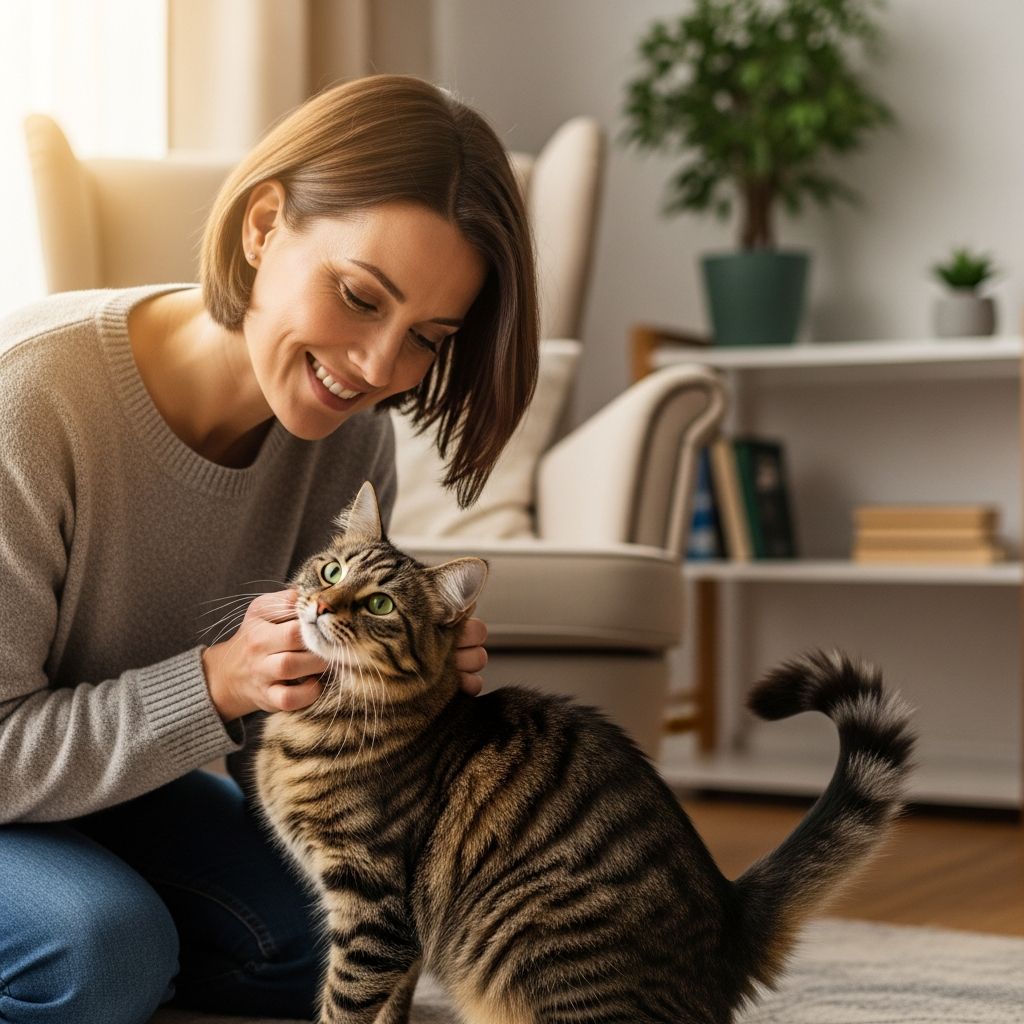
Finding the right pet sitter for your beloved feline companion is one of the most important decisions you’ll make as a cat parent. Whether you’re traveling for business, taking a vacation, or dealing with an emergency, entrusting someone else with your cat’s care requires careful consideration. The difference between a reliable pet sitter and an unreliable one can significantly impact your cat’s health, safety, and well-being. In this comprehensive guide, we’ll explore eight unmistakable signs that indicate a pet sitter is trustworthy and capable of providing excellent care for your furry friend.
1. Professional Credentials and Certifications
One of the most obvious indicators of a trustworthy pet sitter is professional certification and credentials. A responsible pet sitter should have formal training in pet care and behavior. Look for certifications from recognized organizations such as the National Association of Professional Pet Sitters (NAPPS) or the Pet Sitters International (PSI). These organizations require members to maintain specific standards of care, adhere to ethical guidelines, and participate in ongoing professional development. Additionally, pet sitters with certification in pet first aid and CPR demonstrate a commitment to handling emergencies effectively and keeping your cat safe in unexpected situations.
2. Extensive Experience with Cats
Experience matters significantly when it comes to pet sitting. A trustworthy pet sitter should have extensive experience specifically with cats, not just dogs or other pets. Cats have unique behavioral patterns, dietary requirements, and medical needs that differ substantially from other animals. A sitter with years of hands-on experience with felines will understand cat body language, recognize signs of illness or distress, and know how to handle various personality types. During your initial consultation, ask detailed questions about their experience with cats, including how many cats they’ve cared for, the types of situations they’ve encountered, and how they’ve handled specific scenarios like shy cats, anxious cats, or cats with special medical needs.
3. Strong References and Verifiable Track Record
A trustworthy pet sitter should be able to provide multiple references from satisfied clients. Don’t just collect a list of names and phone numbers—actually contact these references and ask specific questions about their experiences. Inquire about the sitter’s reliability, how well their cats responded to the sitter, whether any issues arose and how they were handled, and whether they would hire the sitter again. Additionally, check online reviews on platforms like Google, Yelp, and Care.com. A sitter with consistently positive reviews and willing to provide references has nothing to hide and demonstrates confidence in their services. Conversely, be cautious about sitters who are reluctant to provide references or have limited online presence.
4. Clear Communication and Detailed Protocols
Communication is fundamental to a trustworthy pet-sitting relationship. A reliable sitter will maintain open, clear communication with you before, during, and after each visit. They should provide regular updates about your cat’s behavior, eating habits, bathroom activity, and overall demeanor. The best pet sitters will send photos or videos during visits to reassure you that your cat is doing well. Before they begin sitting, they should establish clear protocols and ask detailed questions about your cat’s routine, dietary needs, medications, behavioral quirks, and emergency procedures. They should also explain their cancellation policies, rates, and what to expect during each visit. This level of communication builds trust and ensures everyone is on the same page.
5. Comprehensive Understanding of Cat Behavior
A trustworthy pet sitter demonstrates deep knowledge of feline behavior and psychology. This includes understanding how stress affects cats, recognizing signs of illness or injury, and knowing how to interact appropriately with cats of different temperaments. A good sitter will understand that cats are territorial animals and may react negatively to changes in their environment or routine. They should be familiar with common behavioral issues like litter box problems, aggression, and anxiety. During your interview, ask how they would handle specific scenarios, such as a cat that refuses to eat or a normally social cat that hides during their visit. Their responses will reveal their level of understanding and ability to adapt to your cat’s specific needs.
6. Bonded and Insured Services
Professional pet sitters should carry liability insurance and bonding. Insurance protects you in case something goes wrong during a visit, such as accidental damage to your home or injury to your cat. Bonding demonstrates that the sitter has passed a background check and is financially protected, giving you additional peace of mind. When interviewing potential sitters, always ask about their insurance coverage and bonding status. They should be able to provide proof of both. This is a non-negotiable requirement for a trustworthy pet sitter, as it shows they take their responsibilities seriously and have taken steps to protect both themselves and their clients.
7. Reliability and Professional Conduct
A trustworthy pet sitter is consistently reliable and demonstrates professional conduct. They should arrive at scheduled times, contact you immediately if they’re running late, and never miss appointments without providing advance notice and suitable replacements. Professional conduct extends to how they interact with your home—they should be respectful of your privacy, not bring additional people to your home without permission, and follow any rules you’ve established. They should also be punctual with invoicing and transparent about their rates. A sitter who shows up on time, follows instructions precisely, and treats your home with respect demonstrates the professionalism and reliability essential to trustworthy pet sitting.
8. Genuine Care and Passion for Animals
Perhaps the most important sign of a trustworthy pet sitter is a genuine love and passion for animals, particularly cats. This goes beyond just showing up to do a job—a truly caring sitter will genuinely enjoy spending time with your cat and will advocate for your cat’s well-being. You can often sense this passion during your initial meeting. Do they ask thoughtful questions about your cat’s preferences and personality? Do they seem genuinely interested in learning about your cat’s quirks and habits? Do their eyes light up when they see or talk about cats? A pet sitter who truly cares about animals will go the extra mile to ensure your cat is happy, comfortable, and well cared for during your absence.
Questions to Ask Potential Pet Sitters
When interviewing potential pet sitters, asking the right questions is crucial. Here are important inquiries to make:
- What is your experience with cats specifically, and how many years have you been pet sitting?
- Are you certified in pet first aid and CPR?
- Can you provide references from recent cat-sitting clients?
- How do you handle medical emergencies or unusual behavior?
- What is your policy if you become ill and can’t fulfill an appointment?
- Do you carry liability insurance and bonding?
- How do you communicate with clients during visits?
- What is your experience with anxious, shy, or special-needs cats?
- How would you handle a cat that refuses to eat or use the litter box?
- What is your cancellation and refund policy?
Red Flags to Watch For
While considering potential pet sitters, be aware of these warning signs that should raise concerns:
- Unwillingness to provide references or background information
- Lack of specific experience or training with cats
- No insurance, bonding, or proof of either
- Vague communication about their services or rates
- Poor online reviews or negative feedback from previous clients
- Lack of contracts or unclear terms of service
- Resistance to discussing emergency protocols
- Disinterest in learning about your cat’s specific needs and personality
- History of no-shows or cancellations
- Unwillingness to provide updates or photos during visits
Building a Long-Term Relationship
Once you’ve found a trustworthy pet sitter, nurture that relationship. Schedule a meet-and-greet with your cat before your first absence to allow them to bond. Leave detailed instructions about your cat’s routine, preferences, and emergency contacts. Provide access to medical records and your veterinarian’s information. Show appreciation for their excellent service through fair compensation and positive reviews. A strong relationship with a reliable pet sitter gives you peace of mind knowing your cat is in capable, caring hands whenever you need to travel or be away from home.
Frequently Asked Questions (FAQs)
Q: How much should I expect to pay for a professional pet sitter?
A: Pet sitting rates vary by location and services provided, but typically range from $15 to $75 per visit. Urban areas and specialized services (medication administration, behavioral support) cost more. Request quotes from multiple sitters to compare pricing.
Q: Should I do a trial visit before leaving my cat with a pet sitter?
A: Absolutely. Schedule a meet-and-greet or short trial visit while you’re home to observe how the sitter interacts with your cat and how your cat responds to them. This helps build trust and ensures compatibility.
Q: What should I leave for a pet sitter during my absence?
A: Provide detailed written instructions about feeding schedules, medication administration, litter box maintenance, emergency contacts, veterinary information, and your cat’s behavioral quirks. Also leave adequate supplies: food, medications, treats, and cleaning supplies.
Q: How do I know if my cat is adjusting well to the pet sitter?
A: Monitor your cat’s behavior after visits. Signs of a good fit include your cat appearing relaxed, eating normally, and showing no signs of stress. Ask for updates and photos. If your cat seems anxious or you notice behavioral changes, discuss concerns with the sitter or consider finding an alternative.
Q: Is it better to use a pet sitter or boarding facility?
A: This depends on your cat’s personality and needs. Cats are territorial and typically prefer staying in their own home with a pet sitter. Boarding facilities may cause stress and anxiety. However, some cats with behavioral issues might do better in a structured environment. Consult your veterinarian for personalized advice.
Q: What if my pet sitter cancels last minute?
A: A trustworthy sitter should have backup plans and provide advance notice. Ask about their backup protocol during the interview. Have contact information for a secondary pet sitter as a safety net for emergencies.
References
- How to Travel With a Cat by Plane, Train and Automobile — Chewy. 2024. https://www.chewy.com/education/cat/general/pet-parenting-travel-how-to-take-a-road-trip-with-your-cat
- Tips for Stress-Free Dog Travel — Chewy. 2024. https://www.chewy.com/education/dog/pet-parenting/traveling-with-knox-bear-tips-for-stress-free-dog-travel
- How To Travel With a Dog Anywhere, According to Experts — Chewy. 2024. https://www.chewy.com/education/dog/general/how-to-travel-with-a-dog
- 11 Tips for Surviving Road Trips With Your Dog — Chewy. 2024. https://www.chewy.com/education/dog/general/road-trips-with-a-dog
- Pet Sitters International — Professional Organization for Pet Care. https://www.petsit.com
- National Association of Professional Pet Sitters — NAPPS Standards and Certification. https://www.petsitters.org
Similar Articles







Read full bio of Sneha Tete