

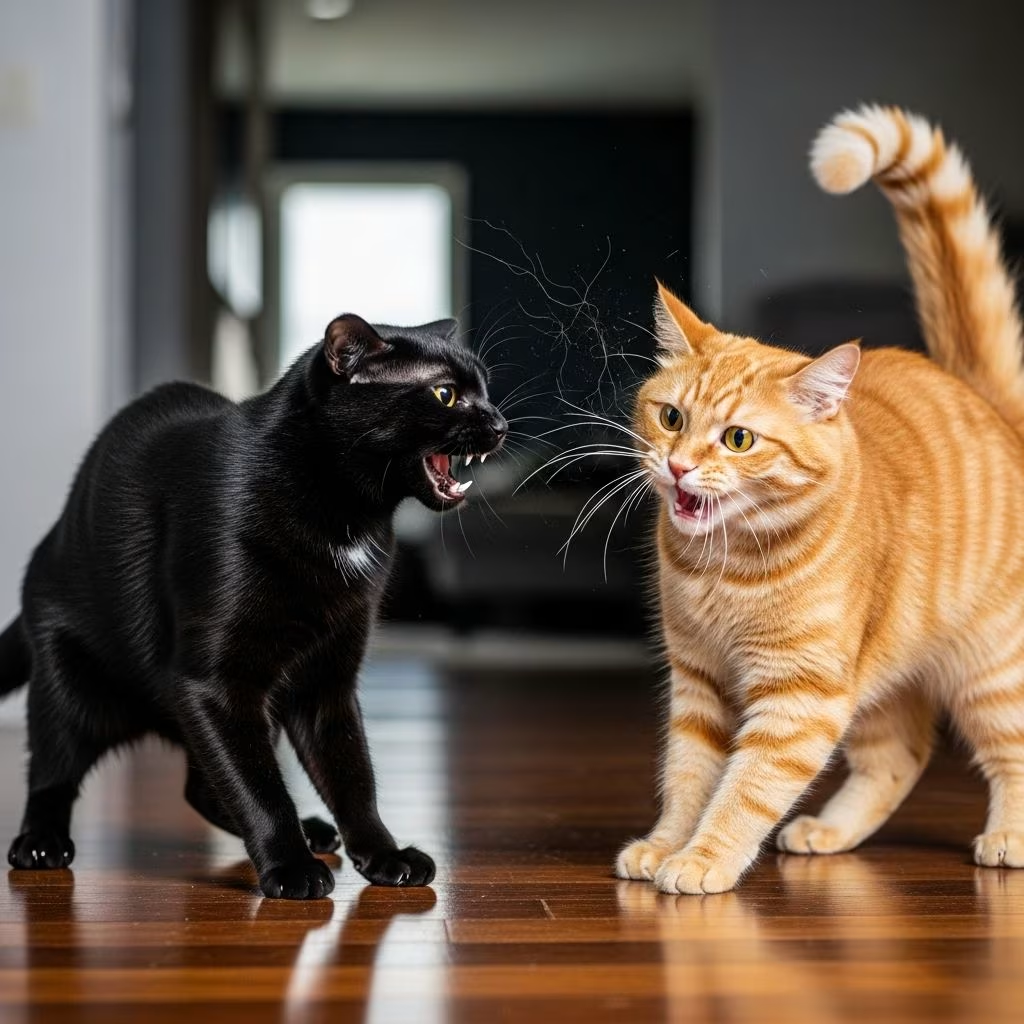
In multi-cat households, occasional spats are normal, but persistent aggression can turn homes into battlegrounds. Knowing when efforts to reconcile fail helps ensure each cat’s well-being.
Understanding Feline Aggression Dynamics
Cats are territorial by nature, and introducing new pets often sparks conflicts rooted in resource competition or fear. Aggression manifests as hissing, swatting, or full attacks, escalating if unaddressed. Early signs include resource guarding around food, litter, or resting spots.
According to veterinary behavior guidelines, aggression types include fear-based, play-related, and territorial, each requiring specific interventions. In multi-cat setups, separate resource stations—food bowls, litter boxes, and scratching posts for each cat—reduce tension by mimicking solitary lifestyles.
Initial Steps to Ease Cat Tensions
Before considering separation, try proven management. Start with environmental tweaks: provide ample vertical space like shelves and towers for escape routes. Interactive toys and puzzle feeders combat boredom, a common aggression trigger.
- Position litter boxes in quiet, accessible spots—one per cat plus one extra, preferably shallow for seniors.
- Offer varied scratching surfaces: sisal posts, cardboard scratchers, and horizontal pads near favored furniture.
- Use positive reinforcement: treats for calm interactions near each other.
Gradual reintroductions work for returning cats: confine newcomers to a single room with essentials, then swap scents via bedding before supervised meetings.
Warning Signs of Deep-Rooted Conflicts
Not all fights resolve with time. Persistent issues signal deeper problems. Monitor for these red flags:
| Sign | Implication | Action |
|---|---|---|
| Ambush attacks from hiding | Indicates fear or play aggression turning predatory | Distract with noise deterrents like hissing; avoid punishment |
| Urine marking or litter avoidance | Stress-induced; health check first | Multiple clean boxes; pheromone diffusers |
| Injuries requiring vet care | Escalation beyond play; risk of abscesses | Immediate separation; consult behaviorist |
| One cat’s weight loss or hiding | Chronic stress affecting health | Enrich environment; monitor eating |
If aggression persists after 4-6 weeks of consistent efforts, outcomes may not improve. Physical punishment worsens fear, per Cornell Feline Health Center experts.
Advanced Behavior Modification Techniques
For committed owners, desensitization helps. Expose cats to triggers at safe distances, rewarding calm with treats. Medication may aid severe cases, but only alongside environmental changes and under vet guidance.
Play aggression in young cats responds to scheduled sessions: lure toys tire them out, reducing pounces. Excessive meowing or night waking? Preemptive feeding via timed alarms retrains routines.
Health Checks: Ruling Out Medical Causes
Behavior shifts often stem from pain or illness. Schedule wellness visits to detect arthritis, hyperthyroidism, or dental issues mimicking aggression. AAHA recommends annual exams for early detection.
When Patience Runs Out: The Separation Decision
Separation becomes ethical when cats live in fear. Signs include blocked access to basics, fur loss from stress-grooming, or redirected aggression toward humans. Rehoming one cat to a solo home often restores peace.
Consult certified behaviorists like those from Feline Behavior Solutions for tailored plans. In extreme cases, professional evaluation prevents welfare decline.
Creating Peaceful Multi-Cat Homes Long-Term
Prevention trumps cure: introduce kittens slowly, match personalities, and maintain one-cat-per-room resources. Spay/neuter reduces hormone-driven fights.
- Nail trims and caps deter injury during spats.
- Pheromone products mimic calming scents.
- Daily play mimics hunting, lowering stress.
FAQs on Managing Cat Aggression
Can cats that fight ever become friends?
Many do with time and management, but 20-30% of cases need separation for safety.
How long to try before rehoming?
Give structured interventions 1-3 months; track progress weekly.
Is aggression always the younger cat’s fault?
No—resident cats often initiate territorial defense.
What if one cat bullies during feeding?
Feed in separate rooms; use puzzle feeders for independency.
Should I punish fighting cats?
Never— it heightens fear. Use distraction and positives instead.
Implementing these strategies fosters harmony or guides humane choices. Prioritize each cat’s quality of life.
References
- Recognizing and Correcting Cat Behavior Issues — Love Vet. 2023. https://love.vet/cat-behavior-recognizing-and-correcting-cat-behavior-issues/
- How can I fix my cat’s behavior problems? — American Animal Hospital Association (AAHA). 2024. https://www.aaha.org/resources/how-can-i-fix-my-cats-behavior-problems/
- 9 Common Cat Behavior Problems (and How to Fix Them) — PetMD. 2023. https://www.petmd.com/cat/slideshows/9-common-cat-behavior-problems-and-how-fix-them
- Feline Behavior Problems: Aggression — Cornell University College of Veterinary Medicine. 2022. https://www.vet.cornell.edu/departments-centers-and-institutes/cornell-feline-health-center/health-information/feline-health-topics/feline-behavior-problems-aggression
- Common Cat Behavior Issues — ASPCA. 2024. https://www.aspca.org/pet-care/cat-care/common-cat-behavior-issues



