

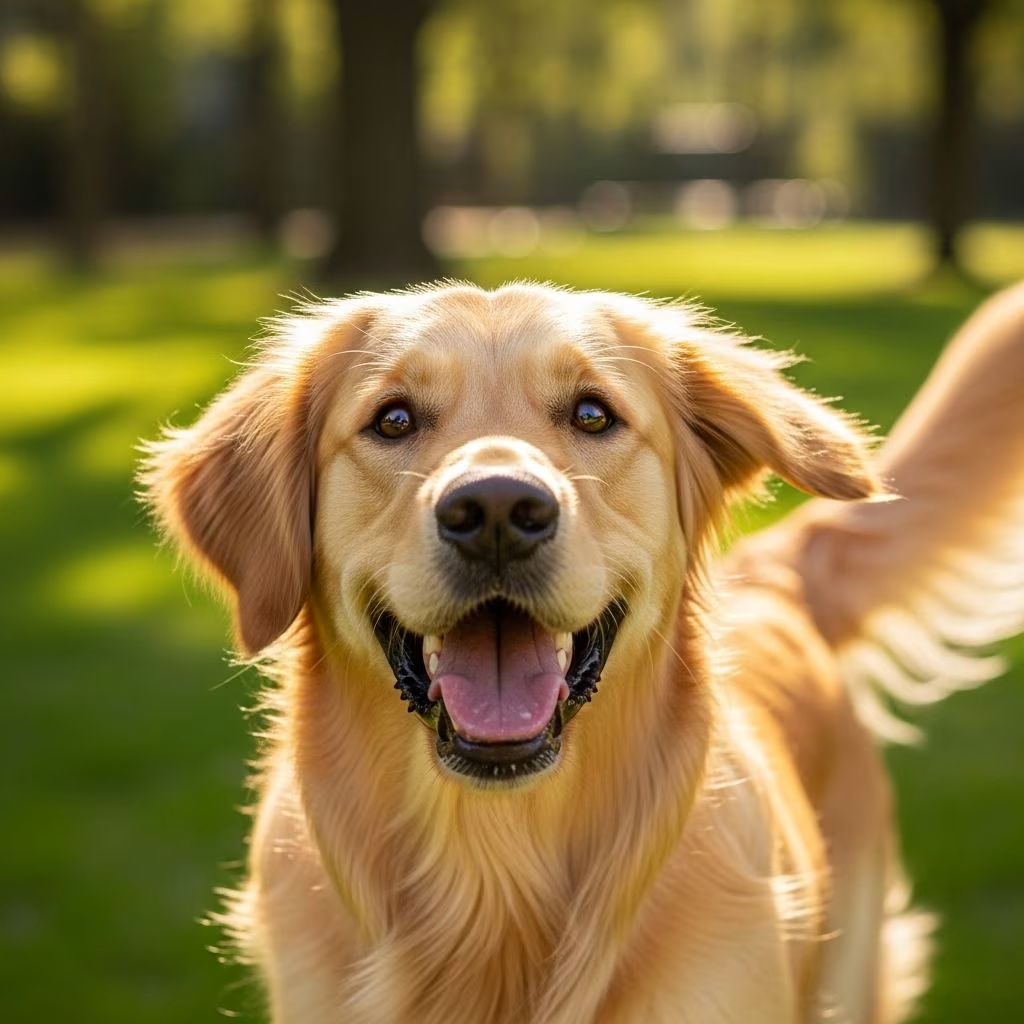
Determining if your dog is happy isn’t always as straightforward as spotting a human smile or laughter. Dogs communicate through a rich vocabulary of body language, facial expressions, postures, and vocalizations. Understanding these cues allows pet parents to assess both short-term joy and long-term contentment. As certified dog trainer and behavior consultant Kim Gerken notes, grasping these signals helps ensure your dog is content in their daily life. This guide breaks down the clearest indicators of canine happiness, drawing from veterinary and behavioral expertise to help you nurture your furry friend’s well-being.
How to know if your dog is happy
Dogs convey emotions through a holistic combination of physical postures, facial features, movements, and sounds like playful barks or chirps. Observing the full picture provides insight into their emotional state. A truly happy dog exhibits relaxed, engaging behaviors rather than tense or avoidant ones. Veterinary sources emphasize that consistent positive signals, alongside met basic needs like nutrition, exercise, and socialization, point to overall happiness. Let’s explore the top signs in detail.
Loose “spaghetti noodle” posture
One of the most telling signs is a dog’s loose, floppy body posture, often described as a “spaghetti noodle” appearance. This relaxed stance, with soft muscles, lowered shoulders, and a wiggly body, indicates comfort and ease. Unlike stiff or rigid postures signaling stress, this floppy demeanor shows your dog feels safe and content in their environment. Imagine your dog lounging with limbs splayed out—no tension, just pure relaxation. This posture often accompanies play or rest, reinforcing a stress-free state.
Relaxed ears
Happy dogs typically hold their ears in a neutral, relaxed position—neither pinned back in fear nor rigidly forward in high alert. floppy or slightly perked ears that move naturally with head tilts signal attentiveness without anxiety. According to behaviorists, ear position is a key facial cue; relaxed ears pair with other positive signals like a loose body to confirm joy. If ears are forward but soft, it might indicate friendly curiosity rather than aggression.
Wagging tail (sometimes)
A wagging tail is iconic, but context matters. Not all wags mean happiness—rapid, stiff side-to-side wags can signal stress or impending aggression. True happy wags are loose, full-body affairs, often broad at the base with circular motions, known as the “propeller” or “helicopter tail.” The direction can hint at emotion: rightward wags for positive feelings, leftward for negative, per some studies. Speed and breadth differentiate joy from agitation—slow, wide sweeps scream delight.
Soft eyes
Look for those half-closed, almond-shaped “soft eyes” that resemble a relaxed squint, evoking meme-worthy “happy stoner dog” vibes. These differ from wide, round eyes with dilated pupils, which signal stress or fear, often with a furrowed brow. Soft eyes, especially with slightly lifted mouth corners, convey chill contentment. This expression mimics a canine smile, promoting bonding during interactions.
Dangling tongue
A loosely dangling tongue, lolling out playfully rather than stiffly protruded, gives the appearance of a broad doggy grin. This isn’t a dramatic lick or pant from overheating but a casual hang, signaling relaxation. Contrast this with a tightly closed mouth or pulled-back lips resembling a “clown face,” which indicates discomfort. The dangling tongue often pairs with open-mouth breathing in joyful moments.
Good energy
Energy levels vary by breed, age, and personality, so know your dog’s baseline. A happy dog matches their usual enthusiasm for walks, play, and social time without frenzy or withdrawal. Sudden hyperactivity might signal anxiety, while persistent lethargy could indicate illness or stress—prompt a vet check if lasting over days. Balanced engagement shows emotional health; they participate willingly in routines with tail wags and bright eyes.
A happy dance
Nothing says joy like a prance, hop, or the classic play bow: front end down, rear elevated, tail wagging furiously. This “happy dance” appears before meals, during greetings, or invites to play. It’s an exuberant display of pleasure, encouraging interaction. Variations include zoomies or excited spins, all rooted in positive anticipation.
Long-term happiness
Short-term signs like wags capture momentary joy, but long-term happiness is about balance: more positive emotions than stress. Gerken explains it’s not constant euphoria but enthusiasm for daily life—eager walks, play, and affection without prolonged anxiety. Ensure physical health, mental stimulation, socialization, and routine. Studies show dogs sense human emotions via scent, reacting more to stress than happiness, underscoring mutual well-being. Regular vet visits, exercise, and training foster this equilibrium.
Common misconceptions about dog happiness
Human moods bias perceptions; happy people may see neutral dogs as sad, and vice versa, per Arizona State research. Tail wags aren’t universal joy indicators, and puppy dog eyes are often manipulative bids for attention. True happiness aligns multiple cues, not isolated ones. Avoid anthropomorphizing—dogs don’t “smile” like us but use species-specific signals.
Frequently Asked Questions (FAQs)
What’s better than a tail wag? A circle wag
The “propeller wag” or helicopter tail—a full, circular wag from the base—indicates extreme happiness and strong bonding, surpassing a simple side wag.
Can dogs communicate with each other?
Yes, beyond barking: through body language, scents (olfaction detects emotions), postures, and vocalizations. They read play bows, tails, and ears fluidly among themselves.
To cry is human—and apparently canine
Dogs don’t cry tears of emotion like humans but may whine or vocalize distress. Positive “crying” isn’t literal; focus on joyful chirps and play sounds.
Why does my happy mood make my dog look sad?
Studies show mood contrast: happy humans perceive dogs as sadder, revealing perception gaps. Observe full body language over assumptions.
| Sign | Happy | Unhappy/Stressed |
|---|---|---|
| Posture | Loose, floppy | Stiff, tense |
| Eyes | Soft, squinty | Wide, dilated pupils |
| Tail | Broad, loose wag | Stiff, fast wag or tucked |
| Mouth | Dangling tongue, relaxed | Tight lips, clenched |
| Energy | Balanced, engaged | Lethargic or frantic |
Recognizing these signs empowers better care. Combine observations with professional advice for your dog’s optimal life.
References
- 8 Signs That Show Your Dog Is Happy — Kinship. 2023. https://www.kinship.com/dog-behavior/signs-that-show-dog-is-happy
- Why Your Dog Always Seems to Look Sad When You’re Happy — Kinship. 2023. https://www.kinship.com/news/new-study-dog-moods-human-perception
- Canine Olfaction: Physiology, Behavior, and Possibilities for Practical Applications — PMC (National Library of Medicine). 2021-08-19. https://pmc.ncbi.nlm.nih.gov/articles/PMC8388720/
- 6 Signs Of A Happy Dog, According To Veterinarians — AOL. 2023. https://www.aol.com/articles/6-signs-happy-dog-according-110017095.html



