

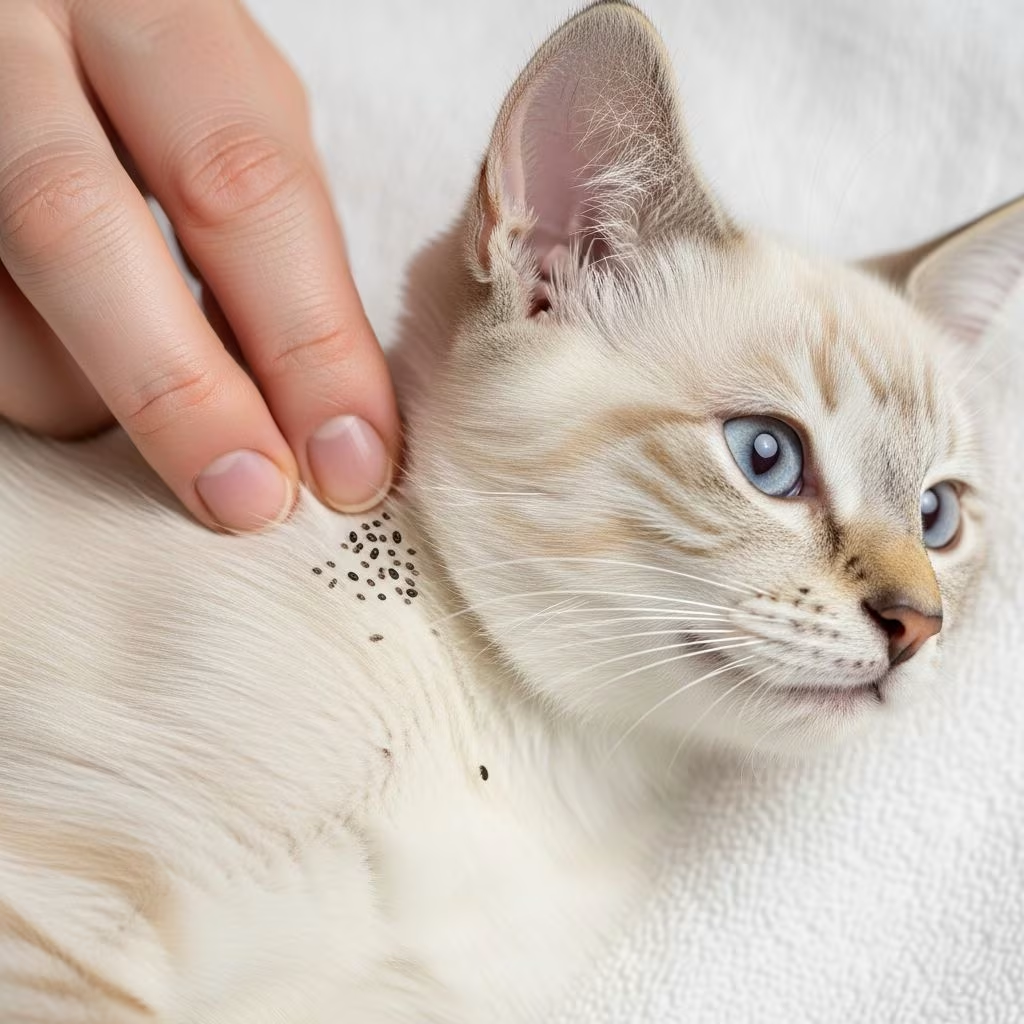
Fleas are a common parasite affecting kittens, causing discomfort and potential health risks like anemia. Early detection of signs such as excessive scratching and flea dirt is crucial for prompt treatment and prevention of infestations.
Why Are Kittens Especially Vulnerable to Fleas?
Kittens possess delicate skin and immature immune systems, making them highly susceptible to flea bites and infestations. A single flea can lay up to 50 eggs per day, rapidly leading to overwhelming numbers on a small kitten. Their tiny size increases the risk of flea anemia, where blood loss from bites causes weakness, pale gums, and lethargy. Unlike adult cats, kittens groom less effectively, allowing fleas to thrive in warm, hidden areas like the neck and tail base. Environmental factors, such as multi-pet households or outdoor exposure, exacerbate vulnerability, as fleas jump from host to host easily.
Flea saliva often triggers allergic reactions in kittens, resulting in intense itching and dermatitis far beyond the bite irritation. Studies from veterinary manuals note that even minimal flea presence can cause severe symptoms in sensitive kittens. Prevention starts with understanding these vulnerabilities to safeguard their health during critical growth phases.
Common Signs of Fleas in Kittens
Recognizing flea signs early prevents escalation. Kittens may exhibit behavioral changes like restlessness alongside physical symptoms.
- Excessive Scratching and Itching: Kittens frantically scratch their neck, back, and tail base due to itchy bites.
- Overgrooming and Chewing: Intense licking leads to saliva-stained fur and self-inflicted wounds.
- Hair Loss or Bald Patches: Common on hindquarters and belly from constant grooming.
- Skin Irritation: Redness, rashes, scabs, or miliary dermatitis (small pinpoint bumps).
How to Check Your Kitten for Fleas
Part the fur in flea hotspots: base of tail, armpits, groin, and neck. Use a flea comb to capture pests. Wet flea dirt turns red, confirming digested blood. Observe for live fleas—tiny, fast-moving black specks. Check bedding for eggs or dirt. Daily inspections during peak flea seasons (warm months) are recommended.
Flea Dirt: The Telltale Sign You Can’t Ignore
Flea dirt appears as pepper-like black specks, actually flea feces from digested blood. Test by placing on wet paper; it reddens. Prevalent on lower back and rump, it’s often the first visible clue even without seeing adult fleas. In kittens, heavy flea dirt signals urgent infestation needing immediate action.
Skin Conditions Caused by Fleas in Kittens
Fleas provoke flea allergy dermatitis (FAD), where saliva allergies cause severe itching, rashes, and hair loss. Miliary dermatitis manifests as crusty bumps across the body. Secondary infections from scratching lead to sores and hot spots. In severe cases, kittens develop a ‘racing stripe’ of inflammation along the back. Pale gums indicate anemia from blood loss.
Health Risks Beyond Itching: Why Fleas Are Dangerous for Kittens
Beyond discomfort, fleas transmit parasites like Mycoplasma haemofelis, causing hemolytic anemia. Kittens risk severe blood loss, leading to lethargy, weakness, and muscle wasting. Tapeworms spread via flea ingestion during grooming. Chronic infestations stunt growth and invite bacterial skin infections. Veterinary intervention is vital for kittens showing systemic signs.
| Symptom | Severity in Kittens | Potential Complication |
|---|---|---|
| Scratching | High | Skin infections |
| Anemia Signs (Pale Gums) | Critical | Life-threatening weakness |
| Hair Loss | Moderate | Flea Allergy Dermatitis |
| Flea Dirt | High | Infestation confirmation |
Treatment Options for Fleas on Kittens
Consult a vet before treating kittens under 8 weeks. Topical spot-ons like fipronil (safe post-8 weeks) kill fleas. Oral medications suit older kittens. Bathe with mild flea shampoo, but avoid over-bathing young ones. Comb out fleas daily into soapy water. Treat all household pets simultaneously.
- Use vet-approved products only; human treatments are toxic.
- Address environmental fleas with vacuuming and washes.
Preventing Fleas: Essential Steps for Kitten Owners
Year-round preventives are key, as fleas thrive indoors. Monthly topicals or collars protect effectively. Vacuum daily, wash bedding weekly in hot water. Yard treatments target outdoor sources. Regular vet check-ups catch issues early. Avoid raw flea control myths; stick to science-backed methods.
When to See a Vet for Flea Issues in Kittens
Seek immediate care for anemia signs, non-stop scratching, or lethargy. Vets diagnose via skin scrapes or blood tests for FAD. Persistent symptoms post-treatment warrant checks for allergies or secondary issues. Early vet visits prevent hospitalization in vulnerable kittens.
Frequently Asked Questions (FAQs)
Can indoor kittens get fleas?
Yes, fleas hitch rides on clothing, shoes, or other pets, infesting indoor kittens easily.
What does flea dirt look like on kittens?
Tiny black pepper specks that turn red when wet, found on fur or bedding.
Is flea shampoo safe for kittens?
Use vet-recommended, mild shampoos only on kittens over 12 weeks; consult first for younger.
How long do fleas live on kittens?
Adult fleas live 2-3 months but lay eggs continuously, perpetuating infestation.
Can fleas cause anemia in kittens?
Yes, heavy infestations lead to blood loss, pale gums, and weakness, especially in young kittens.
How often should I flea treat my kitten?
Monthly with vet-approved preventives year-round for optimal protection.
This comprehensive guide empowers kitten owners to spot and combat fleas effectively, ensuring happy, healthy pets. Regular vigilance and professional advice are paramount.
References
- Fleas on Cats: Signs, Prevention, Treatment, and More — Bond Vet. 2023-05-15. https://bondvet.com/blog/fleas-on-cats
- Flea Bites on Cats, and 8 Other Signs Your Cat Has Fleas — Chewy. 2024-02-20. https://www.chewy.com/education/cat/flea-and-tick/signs-your-cat-has-fleas
- Fleas on Cats — PDSA. 2024-08-10. https://www.pdsa.org.uk/pet-help-and-advice/pet-health-hub/conditions/fleas-on-cats
- Fleas of Cats – Cat Owners — Merck Veterinary Manual. 2025-01-01. https://www.merckvetmanual.com/cat-owners/skin-disorders-of-cats/fleas-of-cats
- What Do Fleas Look Like on Cats? — PetMD. 2024-06-12. https://www.petmd.com/cat/general-health/what-do-fleas-look-cats



