

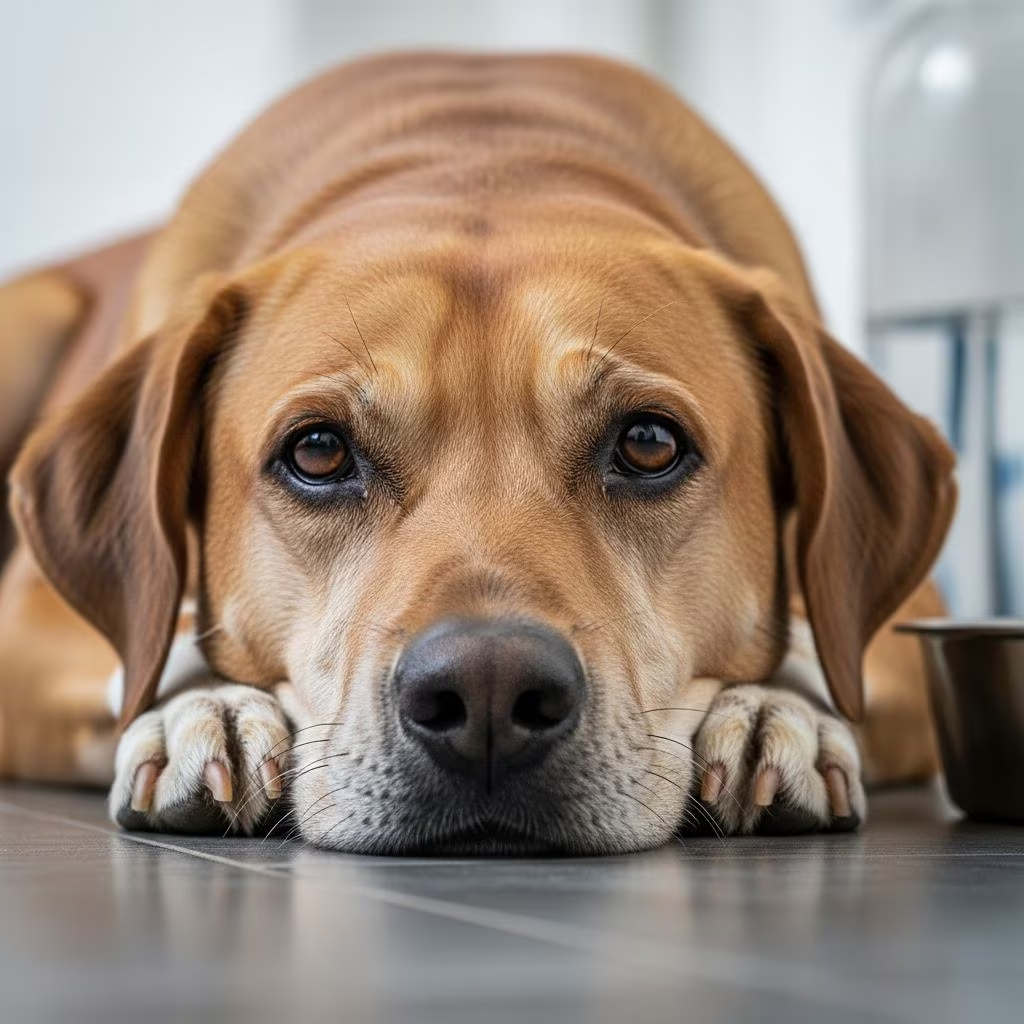
Dehydration in dogs occurs when the body loses more fluids than it takes in, disrupting normal functions like blood flow, oxygen delivery, and electrolyte balance. This condition can range from mild to life-threatening, affecting dogs of all ages, breeds, and sizes. Early detection is crucial, as severe dehydration can lead to organ failure, shock, or collapse. Pet owners must monitor daily water intake and watch for behavioral changes, especially during hot weather, exercise, or illness.
What Causes Dehydration in Dogs?
Dogs become dehydrated from insufficient water intake or excessive fluid loss. Common causes include not drinking enough due to lack of access, illness-induced nausea, or behavioral issues. Fluid loss happens through vomiting, diarrhea, increased urination, excessive panting, or drooling. Nursing mother dogs are at higher risk if they don’t replenish fluids lost through milk production. Other factors include hot environments, strenuous activities like hiking or swimming, fever, diuretic medications, surgery recovery, and conditions affecting small or brachycephalic breeds prone to overheating.
- Not drinking enough: Limited access to water or refusal due to nausea or stress.
- Fluid loss: Vomiting, diarrhea, heavy panting, or increased urination.
- High-risk groups: Puppies, seniors, small breeds, flat-faced dogs, active or overheated pets.
Signs of Mild Dehydration in Dogs
Mild dehydration presents subtle symptoms that can progress if ignored. These early warnings allow for home intervention before veterinary care is needed.
- Lethargy or decreased energy: Dogs appear tired, reluctant to move, or lack playfulness due to low blood pressure.
- Sticky or dry gums: Normal gums are moist and slick; dehydrated ones feel tacky.
- Excessive panting: Beyond normal cooling, indicating fluid loss.
- Loss of skin elasticity: Skin on the neck tents and returns slowly (over 1-2 seconds).
- Loss of appetite: Refusal to eat, worsening the cycle as food provides water.
- Dry nose: Typically moist nose becomes cracked or dry.
- Slightly sunken eyes: Mild dullness or recession.
- Darker urine or reduced output: Concentrated urine signals fluid conservation.
Perform the skin tent test: Gently pinch skin at the scruff of the neck. It should snap back instantly in hydrated dogs. Check gums: Press on them; color should return in under 2 seconds (capillary refill time).
Signs of Moderate to Severe Dehydration in Dogs
Severe dehydration requires immediate veterinary attention, as it impairs organ function and can lead to shock.
- Sunken, dry eyes: Eyes recede into sockets as fluids shift to vital organs.
- Very dry, pale, or dark red gums: Progressing from tacky to extremely dry; capillary refill exceeds 2 seconds.
- Increased heart rate: Normal is 70-120 bpm; over 160 bpm sustained is critical, 250 bpm is emergency.
- Vomiting or diarrhea: Exacerbates fluid loss viciously.
- Confusion, disorientation, or stumbling: Neurological effects from poor circulation.
- No skin elasticity: Skin stays tented for seconds.
- Cool extremities: Paws, ears cold due to poor blood flow.
- Collapse or shock: Weakness, trembling, unresponsiveness.
- Thick, stringy saliva: Ropey drool instead of watery.
| Symptom | Mild | Severe |
|---|---|---|
| Skin Elasticity | Slow return (1-2 sec) | No return, tented |
| Gums | Sticky/dry | Pale/dry, slow refill |
| Eyes | Slightly sunken | Deeply sunken/dry |
| Behavior | Lethargy, panting | Confusion, collapse |
| Heart Rate | Elevated | >160 bpm sustained |
How to Check if Your Dog is Dehydrated at Home
Three simple tests help assess hydration without vet tools.
- Skin turgor test: Pinch neck skin; instant snap-back is normal. Slow or tented indicates dehydration.
- Gum check: Gums should be pink, moist. Press; pink returns in <2 seconds. Tacky, pale, or slow refill signals issues.
- Eye test: Look for brightness; sunken eyes suggest severity.
Monitor urine color (pale yellow ideal), water intake (1-2 oz per lb body weight daily), and behavior.
What to Do if Your Dog is Dehydrated
For mild cases, encourage water intake: Offer fresh, cool water, add low-sodium broth, or ice cubes. Wet food helps. Avoid forcing water if vomiting. For moderate/severe, do not delay—seek vet care. Vets administer subcutaneous or IV fluids, electrolytes, and treat underlying causes.
- Home remedies (mild only): Frequent small water offerings, rest in cool area.
- Vet intervention: Fluid therapy, anti-nausea meds, diagnostics for root cause.
When to See a Vet for Dehydration
Immediate ER if severe signs: sunken eyes, rapid heart rate >160 bpm, collapse, unresponsiveness, vomiting/diarrhea persisting. Even mild symptoms with ongoing illness warrant a check. Puppies, seniors, or chronic condition dogs need prompt evaluation.
How to Prevent Dehydration in Dogs
Prevention focuses on access and monitoring.
- Always provide clean, fresh water—multiple bowls for large homes/yards.
- Adjust for activity: Extra water post-exercise, hot days (increase 2-3x).
- Feed wet food or soaked kibble for moisture.
- Monitor during illness, nursing, or meds.
- Avoid overheating: Shade, no excessive exercise in heat.
- Regular vet checkups for at-risk breeds.
Frequently Asked Questions (FAQs)
Can my dog get dehydrated from panting?
Yes, excessive panting evaporates moisture rapidly, especially in heat or stress.
How much water should my dog drink daily?
About 1 oz per lb of body weight; more for active, hot conditions.
Is a dry nose always dehydration?
No, but combined with other signs like lethargy, it indicates risk.
What breeds are prone to dehydration?
Brachycephalic (Pugs, Bulldogs), small breeds, puppies, seniors.
Can dehydration cause organ damage?
Yes, severe cases reduce blood flow, harming kidneys, heart.
References
- What Are the Signs of Dehydration in Dogs? — Zoetis Petcare. 2023. https://www.zoetispetcare.com/blog/article/signs-dehydration-dogs
- Dog Dehydration: Signs, Causes, Treatment and Prevention — Loveland Regional Animal Hospital. 2023. https://lovelandregional.com/blog/dog-dehydration/
- 15 Symptoms of Dehydration in Dogs [How to Treat] — Sploot Vets. 2024. https://www.splootvets.com/post/signs-symptoms-of-dehydration-in-dogs-how-to-treat
- Warning Signs of Dehydration in Dogs — American Kennel Club (AKC). 2023-05-09. https://www.akc.org/expert-advice/health/warning-signs-dehydration-dogs/
- Is My Dog Dehydrated? — PetMD. 2024. https://www.petmd.com/dog/symptoms/is-my-dog-dehydrated



