

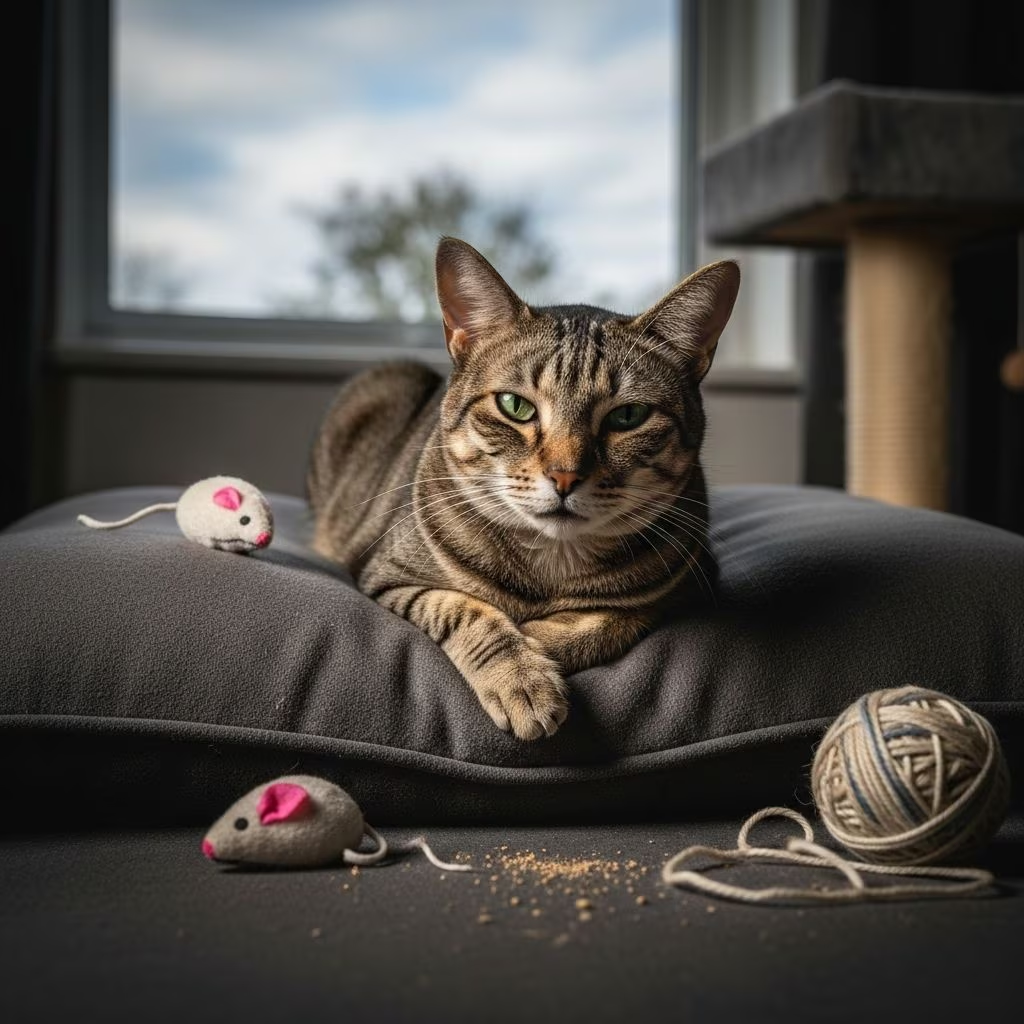
Cats, as natural hunters and explorers, thrive on stimulation. When confined to indoor spaces without adequate engagement, they can develop boredom, leading to noticeable behavioral shifts. Addressing this early prevents health issues and fosters a vibrant pet-owner bond.
Recognizing Boredom in Your Feline Friend
Indoor cats often face limited opportunities for natural activities like stalking prey or climbing trees, resulting in understimulation. Key indicators include:
- Excessive sleeping: Cats normally sleep 12-16 hours daily, but bored ones may exceed this, showing lethargy even after rest.
- Appetite fluctuations: Sudden overeating or refusal of food signals emotional distress from monotony.
- Destructive scratching: Furniture damage arises from unfulfilled claw-sharpening instincts.
- Increased vocalization: Persistent meowing or yowling expresses frustration over lack of interaction.
- Aggression or hiding: Irritability toward family or excessive seclusion indicates unmet needs for play and security.
- Overgrooming: Compulsive licking leads to bald patches, a stress response to idle time.
Observing these patterns helps cat owners intervene promptly, creating a more dynamic home environment.
Why Indoor Cats Are Prone to Boredom
Domestic cats retain wild instincts despite generations of breeding. Without outdoor access, they miss sensory inputs like scents, sounds, and movements that fuel their curiosity. A static indoor setup amplifies this, potentially causing depression-like symptoms or obesity from inactivity. Studies on feline behavior emphasize environmental enrichment as crucial for psychological well-being, mimicking natural habitats indoors.
| Factor | Impact on Cats | Solution Preview |
|---|---|---|
| Limited Space | Reduced exploration | Vertical structures |
| No Prey Simulation | Hunting frustration | Interactive toys |
| Monotonous Views | Mental stagnation | Window enhancements |
Building a Stimulating Habitat for Your Cat
Transform your home into a feline playground by incorporating elements that satisfy climbing, hiding, and observing instincts. Start with verticality: tall cat trees allow cats to survey their territory from heights, reducing stress and promoting exercise.
- Install multi-level towers near windows for dual benefits of climbing and bird-watching.
- Add scratching posts in various textures and heights to redirect clawing from valuables.
- Create safe hideaways like boxes or elevated shelves for retreat and ambush play.
Safety is paramount—secure furniture against tipping and choose non-toxic materials. These setups not only combat boredom but also prevent territorial disputes in multi-cat homes.
Interactive Toys: Igniting the Hunter Within
Toys mimicking prey are essential for channeling predatory drives. Rotate selections weekly to maintain novelty, as familiarity breeds disinterest.
Top Toy Categories:
- Wand toys: Feathered teasers on strings simulate fluttering birds, encouraging pouncing and chasing during 10-15 minute sessions twice daily.
- Laser pointers: Erratic red dots provoke intense hunts; end sessions by ‘catching’ the light to avoid frustration.
- Ball tracks: Self-rolling balls provide independent play, ideal for busy owners.
- Catnip-infused items: Fresh catnip elicits euphoria in responsive cats (about 70% react), boosting activity.
Observe preferences—some cats favor soft plushies for ‘killing’ bites. Stock extras to replace lost ones seamlessly.
Window World: Bringing the Outdoors In
Cats are visual hunters; denying outdoor views starves their senses. Elevate perches with suction-cup shelves or cushioned hammocks for panoramic sights.
- Hang bird feeders 5-10 feet from windows to attract wildlife without close encounters.
- Use transparent blinds to maximize light while protecting from drafts.
- Position sunny spots for basking, as warmth enhances relaxation and mood.
For ultimate immersion, consider enclosed patios (catios) allowing safe outdoor air and scents, blending indoor security with external thrills.
Mealtime Makeovers: Puzzle Feeders and Foraging
Wild cats spend hours hunting; bowl-feeding robs this satisfaction. Puzzle feeders restore foraging joy, slowing intake and burning calories.
DIY and Store-Bought Options:
- Muffin tins with ping-pong balls over kibble force nosing for rewards.
- Hide treats in paper bags or boxes for scent-tracking adventures.
- Commercial dispensers release food via levers or rolling.
Transition gradually to avoid stress. Combine with varied textures—wet food mornings, dry evenings—for sensory variety, aiding digestion and preventing obesity.
Daily Routines: Play, Training, and Bonding
Schedule 20-30 minutes of interaction morning and evening to mimic crepuscular (dawn/dusk) activity peaks. Use toys to simulate hunts, tiring cats naturally.
Training builds confidence: Teach ‘sit’ for treats or target-sticking for mental workouts. Grooming sessions provide tactile stimulation, especially for longhairs.
Grow cat grass or safe greens indoors for chewing, emulating grazing post-meal.
Advanced Enrichment for Multi-Cat Homes
In shared spaces, provide resources per cat (e.g., one post per feline plus one extra) to curb competition. Scent-swapping toys fosters familiarity without fights.
Monitor dynamics—boredom exacerbates tensions. Separate play areas prevent overstimulation.
Health Checks: When Boredom Mimics Illness
Rule out medical causes for symptoms like appetite loss via vet visits. Annual checkups ensure no underlying thyroid or dental issues mask behavioral woes.
Frequently Asked Questions
How often should I play with my cat?
Twice daily for 10-15 minutes each, aligning with their high-energy periods.
Can catnip fix boredom permanently?
No, it’s a short-term stimulant; rotate with other activities for sustained engagement.
What if my cat ignores new toys?
Introduce during hunger or with catnip; patience yields preferences.
Is a catio safe for indoor cats?
Yes, when predator-proofed, offering safe outdoor exposure.
Does breed affect boredom risk?
Active breeds like Bengals need more stimulation than laid-back Persians.
Long-Term Benefits of Enrichment
Consistent efforts yield calmer, healthier cats with stronger immunity, less stress, and deeper bonds. Owners report fewer vet visits and household harmony.
References
- Is Your Indoor Cat Bored? 12 Proven Ways to Keep Them Happy — PetPlace. Accessed 2026. https://www.petplace.com/article/cats/pet-care/is-your-indoor-cat-bored-12-ways-to-prevent-boredom
- How to Prevent Boredom in Your Pet — Zoetis Petcare. Accessed 2026. https://www.zoetispetcare.com/blog/article/prevent-boredom-pet
- How Enrichment Helps Bored Cats — PetMD. Accessed 2026. https://www.petmd.com/cat/general-health/how-enrichment-helps-bored-cats
- Signs Your Cat is Bored (and How to Keep Them Entertained) — Cat in the Bag. Accessed 2026. https://cat-in-the-bag.com/signs-your-cat-is-bored-and-how-to-keep-them-entertained/
- Is my cat bored? — Cats Protection. Accessed 2026. https://www.cats.org.uk/cats-blog/cat-boredom-busters
- Easing the Boredom in Indoor Cats — Mountain Road Animal Hospital. 2022-12. https://www.mountainroadvet.com/resources/blog/december-2022/easing-the-boredom-in-indoor-cats



