

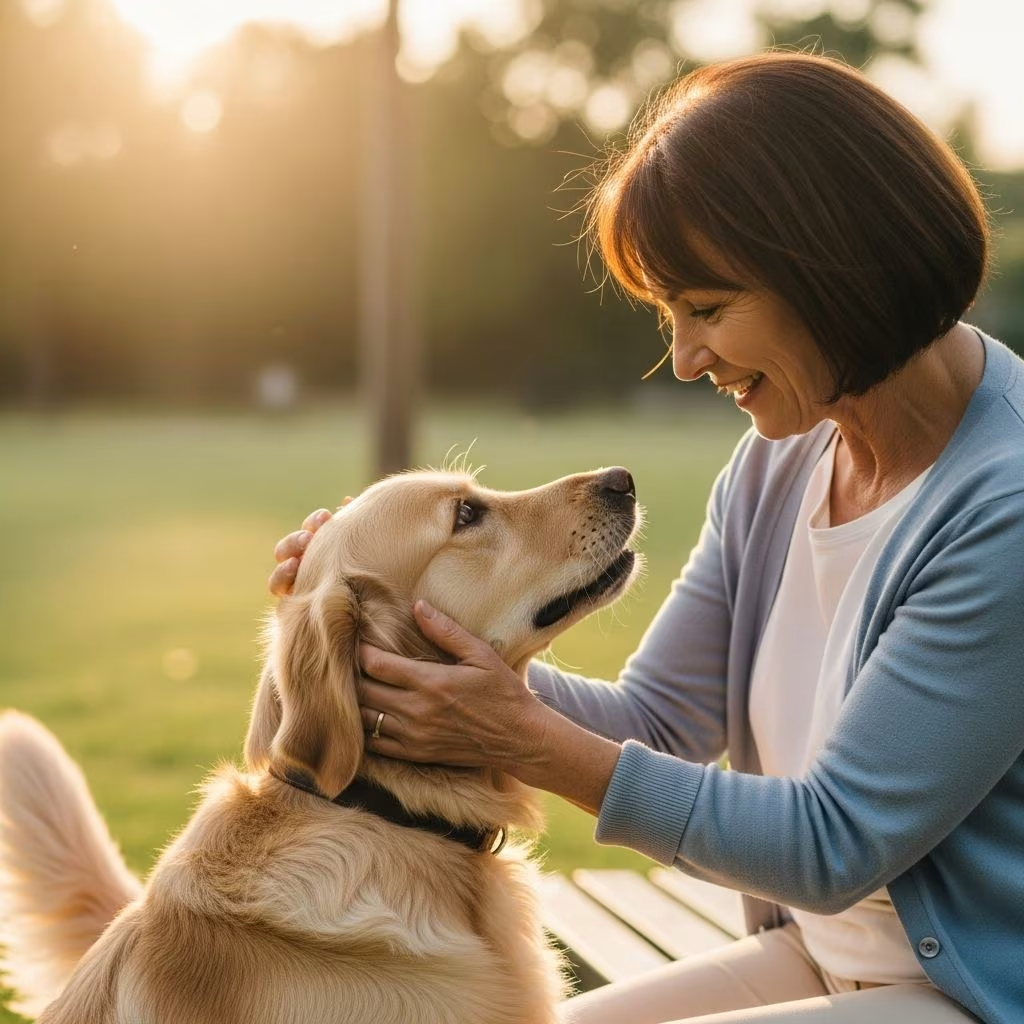
Dogs have earned their title as humanity’s most faithful companions through countless displays of dedication that go beyond mere obedience. These animals communicate profound attachment through everyday actions, revealing a bond forged by trust, security, and mutual affection. Understanding these behaviors not only enriches the relationship between pet and owner but also highlights the evolutionary roots of canine loyalty, where pack dynamics play a central role.
The Shadow Companion: Proximity as Proof of Preference
One of the most unmistakable indicators of a dog’s favoritism is their relentless pursuit of closeness. Often dubbed ‘Velcro dogs,’ these pets trail their chosen human from room to room, positioning themselves at feet or nearby during daily routines. This behavior stems from an innate pack instinct, signaling that the owner is perceived as the core of their social world.
Proximity-seeking isn’t random; it’s a deliberate choice. In multi-person households, dogs consistently opt for their preferred person’s side over others, even during distractions like playtime or meals. This preference underscores a sense of security, where the dog’s world feels complete only in the owner’s presence. Experts note that such following reinforces emotional stability, as dogs track movements with keen eyes, ready to mirror every step.
Gifts from the Heart: Toys as Tokens of Trust
Presenting a cherished toy serves as a dog’s ultimate gesture of endearment. By offering their prized possession, canines invite interaction and share joy, associating the owner with positive reinforcement. This act mirrors pack sharing behaviors, where valued items are given to strengthen alliances.
Beyond toys, dogs may nudge with paws or drop objects at feet to solicit engagement. Such initiatives reveal confidence that the owner will respond positively, fostering deeper connections. In training contexts, this evolves into collaborative play, enhancing mutual respect.
Vulnerable Poses: Belly Exposure and Relaxed Sleep
Exposing the belly, a notoriously defenseless area, signifies absolute trust. When a dog rolls over for rubs or sleeps belly-up nearby, they convey total surrender to the owner’s protection. This vulnerability is rare with strangers, reserved for those deemed safest.
Sleeping habits further illuminate loyalty. Choosing to rest in the owner’s room or curled against them during naps indicates profound comfort. Calm repose, free from anxiety, shows faith in the owner’s return and care, contrasting with separation distress. A relaxed posture—loose limbs, soft breathing—amplifies this message of security.
Responsive Obedience: Heeding Commands Above All
Dogs loyal to a specific person respond more readily to their cues than others. This selective listening highlights leadership perception, where the owner is the alpha guide. During uncertainty, glances for approval precede actions, affirming reliance on human judgment.
In group settings, this obedience shines: the dog prioritizes the favorite’s instructions, ignoring competing voices. Training sessions amplify this, with eager compliance building respect and reinforcing the pack hierarchy.
Protective Instincts: Guarding the Chosen One
Resource guarding extends to humans, where dogs position themselves as sentinels against perceived threats. Leaning into the owner or blocking others signals possessive affection, though it may require management to prevent tension.
This guardianship reflects deep emotional investment. Dogs may growl softly or insert themselves between the owner and newcomers, prioritizing safety. Balanced with training, it becomes a testament to unwavering vigilance.
Emotional Synchronization: Mirroring Moods and Joy Reunions
Dogs attuned to their favorite person mirror emotions, escalating excitement upon homecomings with explosive greetings. Tail wags, jumps, and whines express relief and delight, viewing the owner as irreplaceable.
Conversely, calm departures without distress indicate mature trust. No whining or pacing means confidence in reunion, a subtle loyalty marker. Shared happiness—joining laughter or play—cements empathetic bonds.
Visual Cues: The Gaze of Guidance
Direct eye contact, especially seeking direction, forges oxytocin bonds akin to human parent-child ties. Dogs look for cues in novel situations, deferring to the owner’s wisdom.
Soft gazes during rest or play convey contentment. ‘Helicopter tails’—vigorous wags—and leaning affirm love, blending physical and visual devotion.
Building and Nurturing Lasting Bonds
To cultivate loyalty, consistency is key. Regular routines, positive training, and quality time amplify natural inclinations. Respond to proximity with affection, honor toy offerings with play, and respect vulnerable moments without intrusion.
- Daily Walks: Strengthen pack identity through shared exploration.
- Training Games: Reward responsiveness to deepen respect.
- Quiet Cuddles: Honor trust with gentle affirmation.
- Mealtime Rituals: Associate presence with security.
Addressing over-attachment, like distress upon leaving, involves gradual independence training. Short absences with treats build resilience, ensuring healthy loyalty.
Common Myths About Dog Loyalty
| Myth | Reality |
|---|---|
| Dramatic partings prove love | Calm goodbyes show trust in return |
| All dogs bond equally | Selective favoritism is normal |
| Guarding is aggression | Often protective loyalty needing guidance |
Frequently Asked Questions
Why does my dog follow me everywhere?
This stems from pack mentality and security needs. They view you as leader, deriving comfort from proximity.
Is belly exposure always affection?
Primarily trust, but context matters—fear can mimic it. True signs include relaxed body language.
How can I tell if I’m my dog’s favorite?
Look for consistent choice in comfort, play, and obedience over others.
What if my dog guards me possessively?
Train boundaries positively; consult professionals for balance.
Do all loyal dogs show separation anxiety?
No—secure bonds allow calm absences, indicating maturity.
Decoding Breed Variations in Loyalty Expression
While universal, loyalty manifests differently by breed. Herding dogs like Border Collies intensify following, hounds emphasize scent-guided reunions, and lap breeds amplify cuddling. Understanding breed traits tailors appreciation.
Age influences too: puppies exuberantly follow, seniors seek quiet closeness. Health impacts—pain may reduce energy but not devotion.
References
- 7 Signs You Are Your Dog’s Favorite Person — Kinship. 2023. https://www.kinship.com/dog-behavior/signs-you-are-your-dogs-favorite-person
- 6 Clear Signs Your Dog Thinks of You as Their Favorite Person — OLK9 Iowa. 2024. https://olk9iowa.com/signs-your-dog-thinks-of-you-as-their-favorite-person/
- Is Your Dog Truly Loyal to You? Watch Out for These 7 Clues — YouTube (Transcript). 2023. https://www.youtube.com/watch?v=RL-sBji6CLU
- 3 Subtle Signs That Your Dog Trusts You — DoggieLawn. 2024. https://doggielawn.com/blogs/blog/3-subtle-signs-that-your-dog-trusts-you
- 7 Signs Your Dog Is Unwaveringly Loyal, According to Experts — Joybound (via Pet Parade). 2024. https://joybound.org/blog/7-signs-your-dog-is-unwaveringly-loyal-according-to-experts-via-pet-parade/
- Does My Dog Love Me? 9 Ways To Tell — PetMD. 2025-02-10. https://www.petmd.com/dog/general-health/does-my-dog-love-me



