

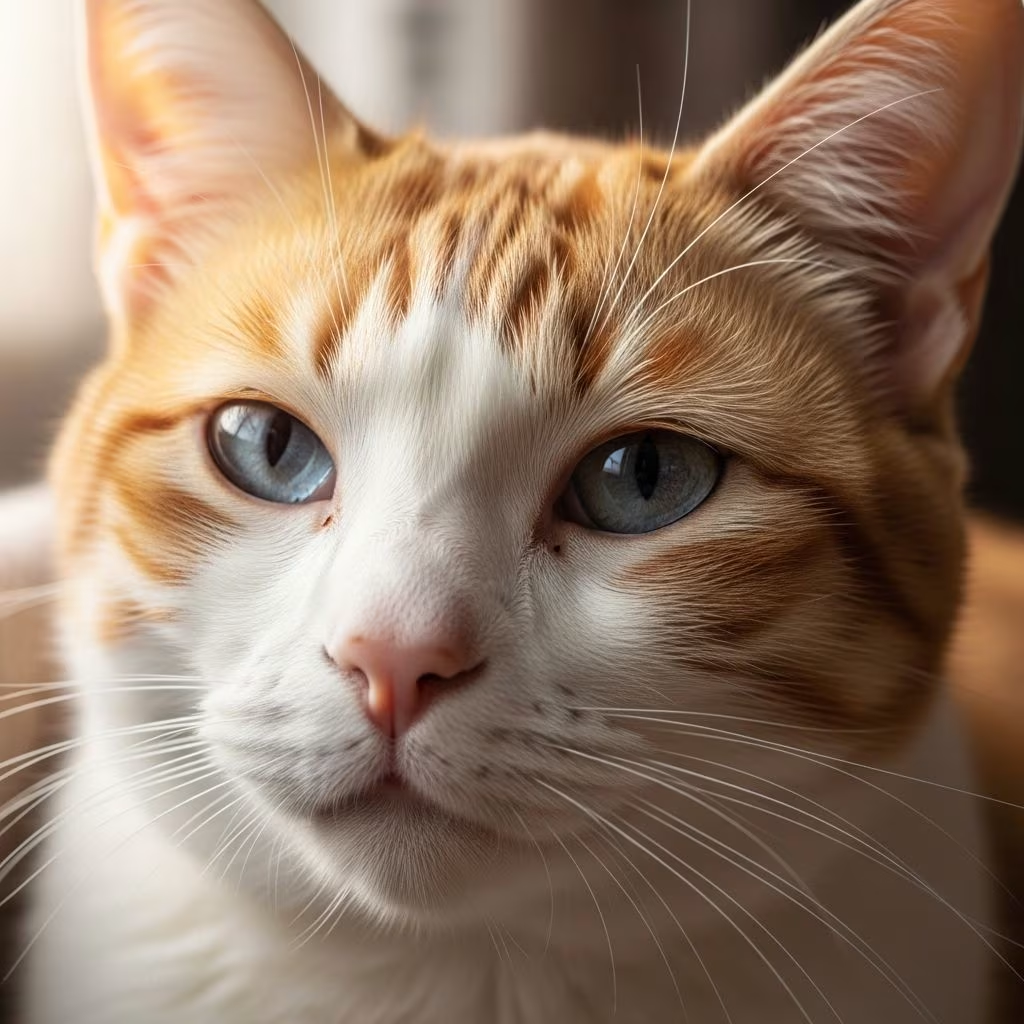
Cats gracefully age, but recognizing the **signs of aging in cats** helps owners provide the support their senior felines need. As cats enter their golden years, typically around 7–10 years for mature adults and 11+ for seniors, subtle changes emerge in behavior, appearance, and health. These shifts, influenced by genetics, environment, and care, can range from normal wear to indicators of underlying issues requiring veterinary attention. Early detection improves quality of life, allowing interventions like diet adjustments or pain management.
How Old Is a Senior Cat?
Cats are classified by age stages to guide care. **Mature or middle-aged cats** span 7–10 years, **senior cats** 11–14 years, and **geriatric cats** 15+ years. These categories stem from epidemiological data, though individual variation exists based on breed, health history, and lifestyle. A 10-year-old indoor cat might act spry, while an outdoor one shows wear earlier. Regular vet checkups from age 7 onward screen for age-related changes, as many cats live into their late teens or early 20s with proper care. Owners often overlook subtle signs, mistaking them for ‘normal aging,’ but proactive monitoring catches issues early.
Physical Signs of Aging in Cats
Physical changes are among the most noticeable **signs of aging in cats**. These affect mobility, appearance, and senses, often starting subtly around age 9–10.
Changes in Activity Level
Young cats bound with energy, but seniors slow down. Expect **less playing, hunting, and outdoor time**, more napping, and reduced responsiveness to stimuli. They may avoid cuddles or struggle with stairs and jumps, signaling muscle loss, joint issues, or pain. Decreased self-grooming leads to unkempt fur. While natural, severe lethargy warrants a vet visit to rule out arthritis, hyperthyroidism, or kidney disease. Support with low-impact play, ramps, and soft bedding.
Changes in Weight and Appetite
Aging reduces energy needs by 20–30%, slowing metabolism and risking weight gain if diets aren’t adjusted. Conversely, unexplained loss signals dental pain, kidney issues, or hyperthyroidism. Monitor portions and watch for picky eating or increased thirst, common in seniors. Veterinary bloodwork assesses thyroid and kidney function.
Changes in Fur and Skin
**Graying fur**, especially around the face, results from reduced melanocytes and tyrosinase activity. Coats thin due to epidermal atrophy, hyperkeratosis, and follicular changes, causing dullness, matting, or alopecia. Skin loses elasticity, dries out from poor circulation, and develops lumps or odors, prone to infections. Claws thicken and overgrow, needing trims. Brush regularly to prevent mats, which inflame skin.
- Gray or white hairs on muzzle and body
- Matted, oily, or thinning coat
- Dry, less elastic skin with bumps
- Brittle, overgrown claws
Changes in Vision and Eyes
By age 9, **vision declines** with cloudy lenses, lacy irises from atrophy, or slower pupil response. Benign melanin deposits mimic melanoma. High blood pressure causes detached retinas, irreversibly blinding cats. Signs include pawing eyes, excessive blinking, bumping objects, or dilated pupils. Nuclear sclerosis (cloudy lens) is normal but differs from cataracts. Annual eye exams detect hypertension early.
Changes in Dental Health
**Dental issues plague 50–90% of seniors**. Teeth yellow from dentin thickening, or appear glassy from pulp shrinkage. Gingivitis inflames gums via plaque; periodontal disease erodes roots; tooth resorption hollows crowns. Symptoms: bad breath, drooling, reluctance to eat, bleeding gums. Professional cleanings under anesthesia and home brushing prevent progression.
Behavioral and Cognitive Signs of Aging in Cats
Behavioral shifts often stem from pain, sensory loss, or neurodegeneration, not just ‘old age’.
Cognitive Dysfunction Syndrome (CDS)
**CDS**, akin to human dementia, affects cats over 10, worsening progressively. Signs: litter box forgetfulness, wall-staring, disorientation, wandering, vocalizing at night, altered sleep. Neurodegenerative changes cause confusion. Supplements like omega-3s, antioxidants, and environmental enrichment (puzzle feeders) help manage symptoms. Vets diagnose via history and rule out medical causes.
Pain-Related Behavior Changes
Aging cats hide pain stoically. Watch for **slow rising, prolonged lying, joint licking (bald spots), toy disinterest, aggression, or standing to eliminate**—signs of arthritis or DJD, present subclinically before age 10. Decreased agility from muscle loss and bone density drop compounds this. Pain meds, joint supplements, and mobility aids alleviate discomfort.
Other Common Signs of Aging in Cats
Beyond basics, seniors show:
- **Hearing loss**: Less response to calls, startling easily.
- **Altered sleep**: More daytime naps, night wandering.
- **Organ decline**: Kidney function wanes, thyroid fluctuates.
- **Incontinence**: Weak bladder from age or disease.
| Normal Aging Sign | Concerning Sign (Vet Needed) |
|---|---|
| Graying fur, mild activity drop | Unexplained weight loss, lumps |
| Cloudy lens, slower movement | Seizures, vomiting, labored breathing |
| Yellow teeth, more naps | Bleeding gums, incontinence |
This table distinguishes routine changes from red flags.
How to Care for Your Aging Cat
Enhance senior life with:
- Diet: Senior formulas lower calories, support kidneys/joints.
- Environment: Litter boxes with low sides, heated beds, night lights for vision/hearing loss.
- Exercise: Gentle play, climbing shelves.
- Grooming: Brush daily, trim claws.
- Vet Care: Bi-annual exams, bloodwork, dental cleanings.
These adaptations maintain comfort and dignity.
Frequently Asked Questions (FAQs)
What are the first signs of aging in cats?
Early indicators include reduced activity, graying muzzle fur, more sleeping, and slight grooming decline, often starting at 7–10 years.
Is weight gain normal in senior cats?
Yes, due to lower metabolism, but adjust food by 20–30% to prevent obesity; sudden loss needs vet evaluation.
Do all aging cats get dementia?
No, but CDS affects many over 10, with disorientation and sleep changes; manageable with diet and enrichment.
How often should senior cats see the vet?
Twice yearly for exams, vaccines, and screenings, as changes progress faster.
Can you reverse vision loss in old cats?
Some causes like hypertension are treatable if caught early; nuclear sclerosis is benign.
References
- Aging in cats: Common physical and functional changes — PMC/NCBI. 2024. https://pmc.ncbi.nlm.nih.gov/articles/PMC10816677/
- 8 Signs Your Cat Is Aging — Papaya Veterinary Care. 2023. https://www.papayapet.com/resources/8-signs-your-cat-is-aging/
- Aging cats: When Is a Cat Considered a Senior? — Harbor Animal Hospital. 2023-08-15. https://www.harboranimalhospital.com/site/blog/2023/08/15/aging-cats-when-is-a-cat-considered-a-senior
- Signs of aging in dogs and cats — Banfield Pet Hospital. 2024. https://www.banfield.com/Senior-hub/What-to-expect/signs-aging-dogs-cats
- Behavior Changes and Pain in Aging Cats — VCA Animal Hospitals. 2024. https://vcahospitals.com/know-your-pet/behavior-changes-and-pain-in-aging-cats
- Aging cats: When Is a Cat Considered a Senior? — Pets on Broadway. 2023-09-15. https://www.petsonbroadway.net/site/blog/2023/09/15/aging-cats-when-is-a-cat-considered-a-senior



