

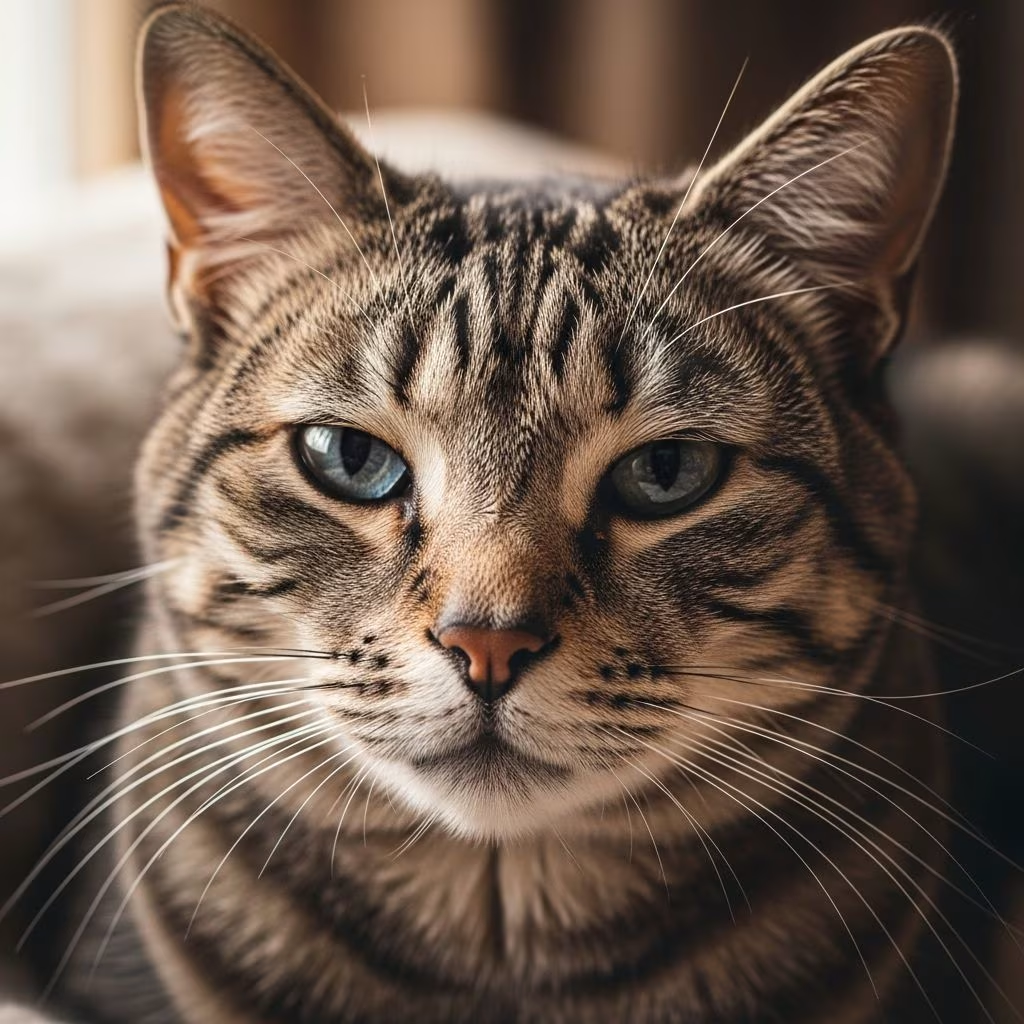
Cats are masters of disguise when it comes to aging, often masking subtle changes until they become more pronounced. Understanding the **signs of aging in cats** helps pet owners provide timely care, improving their senior feline’s quality of life. Senior cats, typically those over 7-10 years old, undergo physical, behavioral, and cognitive shifts that are normal but sometimes signal underlying health issues requiring veterinary attention.
This guide covers the most common indicators of feline aging, drawing from veterinary insights. Early detection allows for interventions like diet adjustments, pain management, or environmental modifications to keep your cat comfortable.
What Age Is a Senior Cat?
Cats are generally considered **senior** at 7-10 years old, with those over 11 classified as ‘geriatric.’ Indoor cats may age slower due to reduced stress and disease exposure, living up to 15-20 years, while outdoor cats often show signs earlier from environmental wear.
Age categories include:
- Junior (under 3 years): Peak energy and growth.
- Adult (3-6 years): Stable health phase.
- Senior (7-10 years): Early aging signs emerge.
- Geriatric (11+ years): More pronounced changes, higher vet needs.
Regular senior wellness exams starting at age 7 are crucial, as age accelerates disease risk like kidney issues or hyperthyroidism.
Changes in Activity Level
One of the first **signs of aging in cats** is a noticeable drop in activity. Young cats bound with energy, but seniors nap more—up to 20 hours daily—spend less time playing, hunting, or exploring outdoors.
Common observations include:
- Spending less time outside or avoiding high jumps.
- More frequent, longer naps and reluctance to wake.
- Reduced play responsiveness and self-grooming.
- Avoiding cuddles or pets, preferring solitude.
While natural, extreme lethargy, stiffness upon rising, or trouble with stairs/jumps may indicate **arthritis**, muscle loss, or metabolic disorders. Cats hide pain well, so consult a vet if mobility declines.
Changes in Cognitive Function
**Cognitive dysfunction syndrome (CDS)** mimics human dementia in cats over 10, affecting up to 50% of seniors. Signs include disorientation, forgetting litter box locations, staring at walls, or wandering.
Behavioral red flags:
- Forgetting routines like eating or litter use.
- Increased vocalization at night (sundowning).
- Confusion in familiar spaces or altered sleep cycles.
CDS progresses slowly; early management with diet, supplements, and enriched environments can slow it. Rule out medical causes like infections first.
Changes in Weight and Appetite
Aging cats experience metabolic slowdowns, needing 20-30% fewer calories to prevent obesity. Conversely, poor nutrient absorption leads to muscle wasting and gauntness.
Appetite shifts:
- Weight gain from inactivity or loss from dental pain, reduced smell, or kidney disease.
- Lack of interest in favorite foods or treats.
| Weight Change | Possible Cause | Action |
|---|---|---|
| Gain | Slow metabolism, overfeeding | Reduce calories by 20-30%, monitor |
| Loss | Hyperthyroidism, dental issues | Vet check, dental exam |
Unexplained loss is concerning; track weight monthly.
Changes in Fur and Skin
**Graying fur**, especially around the face, is a hallmark of aging as pigment cells decline. Coats thin, lose shine, or become oily/matted from reduced grooming.
Skin changes:
- Dry, less elastic skin from poor circulation.
- Increased lumps/bumps (benign or cancerous—vet biopsy needed).
- Prone to infections, odors, or inflammation from mats.
Regular brushing prevents mats; thicker, brittle claws need trimming.
Changes in Vision and Eyes
By age 9, many cats develop cloudy lenses or lacy irises, mildly affecting sight. High blood pressure can cause sudden blindness.
Warning signs:
- Excessive pawing/blinking at eyes.
- Cloudiness, enlarged vessels, or dilated pupils.
- Bumping into objects or reluctance to jump.
Annual eye exams detect issues early.
Changes in Dental Health
50-90% of senior cats suffer **gingivitis**, periodontal disease, or tooth resorption, causing bad breath, stained teeth, drooling, or eating difficulties.
Symptoms:
- Bleeding/swollen gums.
- Reluctance to eat hard food.
- Facial pawing or mouth sensitivity.
Professional cleanings under anesthesia preserve teeth; home care includes dental diets.
Behavioral and Mental Changes
Seniors may become **cranky**, aggressive, or withdrawn, especially if in pain. House soiling, excessive meowing, or altered sleep stem from CDS, arthritis, or sensory loss.
- Decreased interaction or interest in toys.
- Increased vocalization or pacing.
- Avoiding jumps/runs due to pain.
Pain signs include slow rising, joint licking (bald spots), or standing to urinate.
When to See the Vet
Not all changes are benign. Seek immediate care for:
- Unexplained weight loss, vomiting, or diarrhea.
- Labored breathing, seizures, or incontinence.
- Abdominal swelling, bleeding gums, or lumps.
Bi-annual vet visits for bloodwork screen for kidney disease, diabetes, or thyroid issues common in seniors.
How to Care for Your Aging Cat
Support seniors with:
- Diet: Senior formulas for kidney/joint health.
- Environment: Low-entry litter boxes, ramps, soft bedding.
- Exercise: Gentle play, laser toys.
- Grooming: Daily brushing, paw massages.
- Supplements: Omega-3s, glucosamine (vet-approved).
Enriched routines combat CDS: consistent schedules, pheromone diffusers.
Frequently Asked Questions (FAQs)
What are the first signs of aging in cats?
The earliest signs include reduced activity, more sleeping, and slight graying around the face. Monitor for these around age 7.
Is weight loss normal in senior cats?
Some loss from muscle atrophy is common, but rapid or unexplained loss warrants a vet visit to rule out disease.
Do all aging cats go blind?
No, mild cloudiness is common but not always vision-impairing. Sudden changes may indicate hypertension.
How often should senior cats see the vet?
Every 6 months for exams and bloodwork, as age speeds health decline.
Can you reverse cognitive decline in cats?
Not fully, but diets with antioxidants and environmental enrichment slow progression.
References
- 8 Signs Your Cat Is Aging — Papaya Veterinary Care. 2023. https://www.papayapet.com/resources/8-signs-your-cat-is-aging/
- Aging Cats: When Is a Cat Considered a Senior? — Harbor Animal Hospital. 2023-08-15. https://www.harboranimalhospital.com/site/blog/2023/08/15/aging-cats-when-is-a-cat-considered-a-senior
- Signs of Aging in Dogs and Cats — Banfield Pet Hospital. N/A. https://www.banfield.com/Senior-hub/What-to-expect/signs-aging-dogs-cats
- 10 Signs Your Cat Is Aging — PetMD. N/A. https://www.petmd.com/cat/general-health/signs-cat-is-aging
- Behavior Changes and Pain in Aging Cats — VCA Animal Hospitals. N/A. https://vcahospitals.com/know-your-pet/behavior-changes-and-pain-in-aging-cats



