

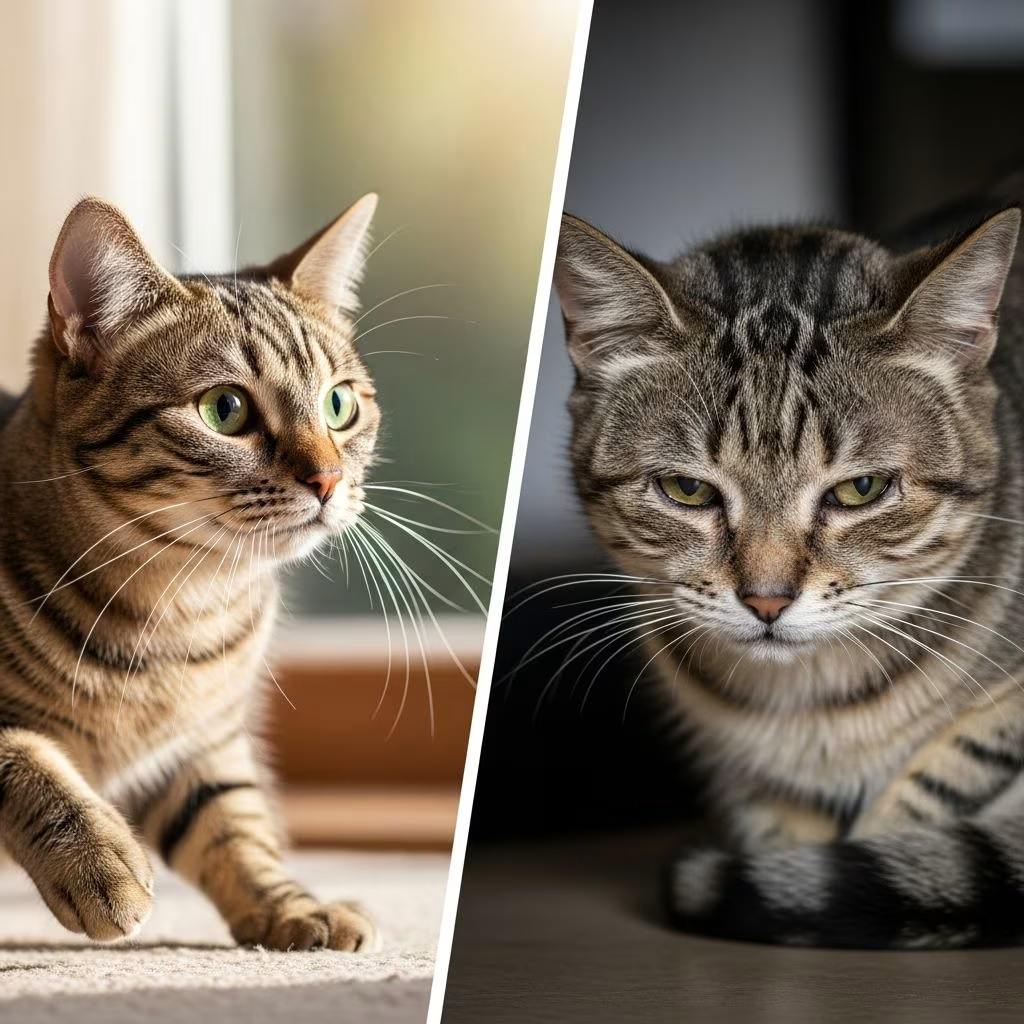
Understanding Your Cat’s Health: A Complete Guide
Cats are enigmatic companions—sometimes their behaviors are straightforward, yet often they remain shrouded in mystery. As a responsible cat guardian, understanding your feline friend’s health status is essential to ensure they enjoy a long, happy, and comfortable life. Cats are particularly skilled at masking discomfort and illness, which makes it crucial for owners to recognize both the signs of good health and the subtle indicators that something might be wrong. This comprehensive guide will help you navigate the nuances of feline health, equipping you with the knowledge to identify when your cat is thriving and when veterinary attention becomes necessary.
Signs of a Healthy Cat
Recognizing the baseline of your cat’s normal health is the first step in identifying potential problems. A healthy cat typically exhibits consistent behavioral patterns and physical characteristics that indicate overall well-being. Understanding these signs allows you to establish a health baseline for your individual cat, making it easier to detect deviations that might warrant veterinary attention.
Here are the primary indicators of a healthy feline:
- Are playful and active, maintaining curiosity and engagement even as they age
- Display a well-groomed appearance with a soft, silky coat
- Have bright, wide-open eyes with clear lids and no discharge or cloudiness
- Maintain consistent litter box habits with firm stools and regular urination
- Eat meals with enthusiasm and drink appropriate amounts of fresh water
- Maintain a normal body temperature of approximately 101 degrees Fahrenheit
- Have pink, healthy gums with teeth free from tartar buildup
Behavioral Indicators of Good Health
A healthy cat typically maintains consistent daily routines and demonstrates normal behavioral patterns. They should show interest in their environment, interact with family members appropriately, and engage in regular play and exploration. Cats naturally sleep 12-16 hours per day, but they should remain alert during waking hours. A healthy cat’s eyes should be clear and responsive, tracking movements with precision and showing a bright, engaged expression.
Physical Appearance and Grooming
The coat of a healthy cat should feel soft and silky to the touch, with no mats, excessive shedding, or bald patches. Cats are naturally meticulous groomers, and their appearance reflects their overall health status. A healthy cat’s skin should be clear without excessive flaking, scabs, or lesions. Their eyes and nose should be clear, and they should have no nasal discharge or tear staining beneath the eyes.
Eating and Drinking Habits
Healthy cats typically demonstrate enthusiasm for meals and maintain consistent eating patterns. They should drink adequate water throughout the day—fresh water should be readily available and changed regularly. Most healthy adult cats consume between 200-250 calories daily, though this varies by age, activity level, and individual metabolism. Regular eating and drinking patterns are fundamental indicators of good health.
Common Symptoms of Cat Illness
While cats are skilled at hiding discomfort, vigilant owners can detect signs of illness by monitoring for any deviations from their cat’s normal routine. Any change in behavior, appetite, litter box habits, or physical appearance should prompt a veterinary visit. Early detection of illness can significantly improve treatment outcomes and your cat’s quality of life.
Digestive and Urinary Changes
One of the most telling indicators of feline illness involves changes in digestive and urinary function. These systems are highly sensitive to stress, dietary changes, infections, and systemic diseases.
- Constipation or diarrhea
- Changes in urination patterns (increased frequency, straining, or accidents outside the litter box)
- Vomiting or regurgitation
- Changes in appetite—either increased or decreased consumption
Respiratory Symptoms
Respiratory changes can indicate various health issues, from minor upper respiratory infections to serious cardiac or pulmonary disease. Watch for:
- Coughing or wheezing
- Difficulty breathing or labored respiration
- Sneezing or nasal discharge
- Unusual breathing patterns or rapid, shallow breathing
Behavioral and Mood Changes
Changes in your cat’s personality and behavior can signal physical discomfort or illness. Cats experiencing pain or illness often exhibit behavioral shifts such as increased aggression, excessive hiding, reduced interaction with family members, or unusual vocalization. A typically quiet cat that suddenly becomes vocal may be experiencing discomfort, while a normally social cat that withdraws may be signaling distress.
Physical Changes and Abnormalities
Visible physical changes should always warrant veterinary evaluation. These include:
- Hair loss or excessive itching and scratching
- Lumps, bumps, or scabs on the body
- Lameness or difficulty walking
- Swelling in any body part
- Changes in coat quality or appearance
Weight and Appetite Fluctuations
Significant weight loss or gain can indicate underlying health issues. Rapid weight changes are particularly concerning and may suggest metabolic disorders, dental disease, or other serious conditions. Changes in water consumption (either increased or decreased) can also signal problems such as diabetes, kidney disease, or urinary tract infections.
General Malaise and Weakness
Cats showing signs of general illness may display weakness, lethargy, or depression. These symptoms indicate that your cat’s body is fighting an infection, dealing with chronic pain, or experiencing systemic illness. While cats naturally rest frequently, excessive sleeping or reluctance to engage in normal activities represents a departure from their baseline health.
Specific Health Conditions and Their Symptoms
Kidney Disease in Cats
Chronic kidney disease stands as one of the most prevalent conditions affecting older cats, though it can develop at any age. Early detection is challenging because symptoms often appear only after significant kidney damage has occurred. The most common early signs include increased thirst and urination. As the disease progresses, gastrointestinal symptoms may emerge, including bad breath, vomiting, poor appetite, and diarrhea. Affected cats may experience gradual weight loss and decline in coat quality. Some cats display no obvious symptoms and have their kidney disease discovered only during routine veterinary screening tests.
Liver Disease in Cats
Fatty liver disease, or hepatic lipidosis, represents the most commonly diagnosed liver disease in cats throughout North America. This condition typically develops when cats have not eaten for several days. Clinical signs include mental depression, weakness, dehydration, vomiting, diarrhea, and constipation. Many affected cats exhibit jaundice—a yellowing of the skin and mucous membranes. The condition may cause rapid weight loss, potentially reaching 40-60% of body weight. Drooling may occur as a result of nausea and vomiting.
Pain and Discomfort
Cats are particularly adept at concealing pain, making detection challenging for even experienced cat owners. Subtle indicators of discomfort include limping, difficulty jumping, reluctance to be touched in specific areas, or constant licking or chewing at particular body parts. Behavioral changes such as increased aggression, excessive hiding, or unusual vocalization may signal pain. Changes in grooming habits—either excessive grooming in one area or complete neglect of grooming—can indicate discomfort.
When to Contact Your Veterinarian
Understanding when professional veterinary care becomes necessary is crucial for your cat’s health. Any significant deviation from your cat’s normal routine warrants at least a phone consultation with your veterinarian. While some symptoms may resolve on their own, others indicate serious conditions requiring immediate attention.
Contact your veterinarian promptly if you observe:
- Any change in eating or drinking habits lasting more than 24 hours
- Vomiting or diarrhea that persists beyond one incident
- Respiratory difficulty or abnormal breathing patterns
- Signs of pain or physical trauma
- Behavioral changes or signs of depression
- Any lumps, bumps, or physical abnormalities
- Weight loss or gain beyond normal fluctuations
- Changes in litter box habits or urination patterns
Monitoring Your Cat’s Health at Home
Establishing a Health Baseline
The foundation of effective home health monitoring is establishing your individual cat’s normal baseline. Every cat has unique eating patterns, activity levels, and behavioral traits. By understanding your cat’s typical routine—when they eat, sleep, play, and use the litter box—you can quickly identify deviations that might indicate problems.
Regular Physical Examination
Perform gentle physical examinations of your cat monthly. Gently feel along their body to check for lumps or bumps, examine their ears for signs of infection or discharge, look at their eyes and nose for cloudiness or discharge, and check their mouth for signs of dental disease or abnormal odor. These regular checks help you detect changes early.
Litter Box Monitoring
Your cat’s litter box is a valuable health indicator. Monitor the frequency of urination and defecation, note the consistency of stools, and watch for any difficulty or straining. Changes in litter box habits often represent the first sign of illness and should be documented to share with your veterinarian.
Frequently Asked Questions
Q: How often should I take my cat to the veterinarian?
A: Healthy adult cats should visit the veterinarian at least once annually. Senior cats (over 7 years old) should have veterinary visits twice per year, as they are more prone to developing age-related conditions. Kittens and cats with chronic health conditions may need more frequent visits.
Q: What is the normal body temperature for a cat?
A: The normal feline body temperature ranges from 99.5 to 102.5 degrees Fahrenheit, with an average of approximately 101 degrees Fahrenheit. Any temperature significantly above or below this range warrants veterinary attention.
Q: Should I be concerned if my cat vomits occasionally?
A: Occasional vomiting may result from eating too quickly, dietary indiscretion, or hairballs. However, frequent vomiting, vomiting containing blood, or vomiting accompanied by other symptoms should be evaluated by a veterinarian.
Q: How much water should a healthy cat drink daily?
A: Healthy cats typically drink 70 milliliters of water per kilogram of body weight daily. This means a 10-pound cat should drink approximately 300-400 milliliters of water daily. Significant increases in water consumption may indicate diabetes, kidney disease, or hyperthyroidism.
Q: What are the early signs of dental disease in cats?
A: Early signs include bad breath, difficulty eating, drooling, or behavioral changes. You may also notice red or swollen gums, tartar buildup on teeth, or reluctance to eat hard food. Regular dental check-ups are essential for preventing serious complications.
Q: Is it normal for cats to hide when sick?
A: Yes, cats often hide when experiencing illness or pain. This instinctive behavior stems from their wild ancestors’ tendency to hide when vulnerable. If your cat is hiding more than usual, this may indicate illness and warrants veterinary evaluation.
Conclusion
Your cat’s health and happiness depend significantly on your ability to recognize both the signs of good health and the warning signs of illness. By becoming familiar with your individual cat’s normal behaviors, eating habits, and physical appearance, you establish the foundation for effective health monitoring. Remember that any significant change in your cat’s routine—no matter how minor it may seem—deserves attention and communication with your veterinarian. Early detection of health problems can make the difference between a quick recovery and serious complications. Your cat is more than a pet; they are a beloved companion deserving of your commitment to their health and well-being. Through vigilant observation and prompt veterinary care, you can help ensure that your feline friend enjoys a long, healthy, and happy life by your side.
References
- Signs of a Healthy Cat (and Possible Symptoms of Cat Illness) — Best Friends Animal Society. 2025. https://bestfriends.org/pet-care-resources/signs-healthy-cat-and-possible-symptoms-cat-illness
- Detecting Subtle Indicators of Pain or Discomfort in Cats — Best Friends Veterinary Hospital. 2025. https://bestfriendsvet.org/blog/how-to-tell-if-a-cat-is-in-pain/
- Kidney Disease in Cats: Causes, Signs, and Treatment — Best Friends Animal Society. 2025. https://bestfriends.org/pet-care-resources/kidney-disease-cats-causes-signs-and-treatment
- Liver Disease in Cats: Signs, Treatment, Prognosis — Best Friends Animal Society. 2025. https://bestfriends.org/pet-care-resources/liver-disease-cats-signs-treatment-prognosis
- Cat Health Care: General Guidelines — Best Friends Animal Society. 2025. https://bestfriends.org/pet-care-resources/cat-health-care-general-guidelines



