

5 Signs There Are Fleas in Your Bed and What To Do
Discovering fleas in your bed can be disturbing and uncomfortable. Fleas are tiny parasites that feed on the blood of mammals, including humans and our beloved pets. If you’ve noticed itchy bites, small dark specks, or other suspicious signs in your bedding, you may have a flea infestation. Understanding the warning signs and knowing how to respond quickly can help you eliminate the problem before it becomes severe.
Understanding How Fleas End Up in Your Bed
Fleas typically find their way into your bed through your pets. Even if your cat or dog spends most of their time indoors, they can pick up fleas when they go outside to relieve themselves or during brief outdoor excursions. Once a flea-infested pet climbs into bed with you, the parasites transfer to your bedding where they begin searching for a new host. Your warm, cozy bed provides the ideal environment for fleas to thrive and reproduce.
Beyond pets, fleas can also enter your home through wildlife, secondhand furniture, or even on your clothing. However, pets remain the most common source of flea infestations in households. Understanding this connection is crucial for effective prevention and treatment.
5 Key Signs of Fleas in Your Bed
1. Itchy Red Bites on Your Skin
One of the most noticeable signs of fleas in your bed is waking up with small, itchy red bumps on your skin. Flea bites typically appear as clusters of tiny red welts, often in a line or group pattern. These bites are usually more concentrated on areas where clothing fits snugly, such as around the ankles, waistband, or underarms. The itching can be intense and may persist for several days after the bite.
2. Visible Flea Dirt (Fecal Matter)
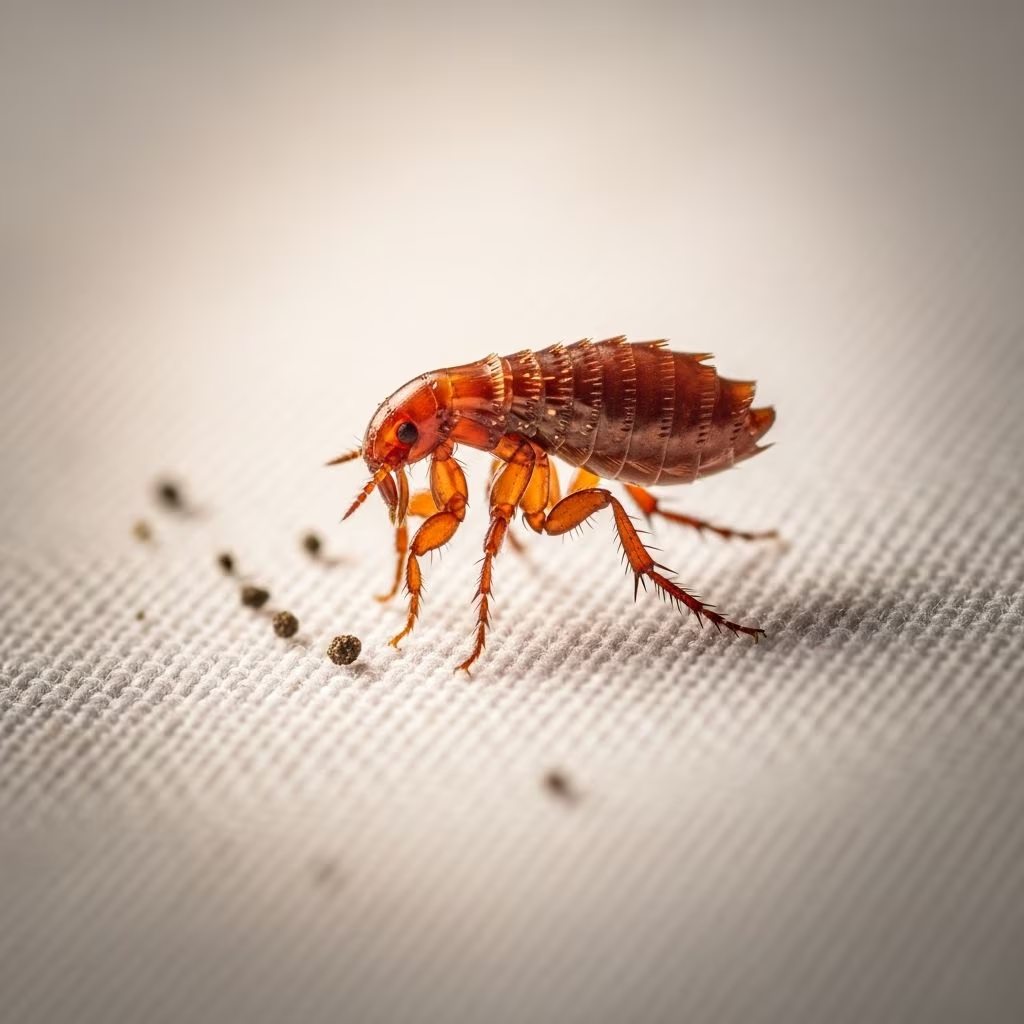
Flea dirt appears as small black specks that resemble pepper or dirt particles on your sheets, mattress, or pet’s fur. This is actually flea fecal matter and is one of the most reliable indicators of a flea infestation. You can confirm flea dirt by placing a damp white cloth under the specks; if they turn reddish-brown, it’s confirmed flea dirt containing your pet’s blood.
3. Small Moving Insects
If you observe tiny, fast-moving insects about the size of a grain of rice in your bed or on your pet, you likely have adult fleas. These parasites are reddish-brown and extremely agile, making them challenging to catch. They move quickly across surfaces and are most active during dawn and dusk.
4. Excessive Scratching by Your Pet
If your pet is scratching more than usual, particularly around their neck, back, and tail base, this suggests a flea problem. Some pets may develop hair loss, red skin, or scabs from constant scratching. This behavioral change often precedes visible signs of fleas on your bedding.
5. White Flea Eggs in Bedding
Flea eggs are tiny, white, and oval-shaped, often found in bedding, pet fur, or carpet fibers. These microscopic eggs are difficult to spot but are a clear indication of an active flea infestation. Eggs can persist in bedding for extended periods and eventually hatch into larvae.
How to Get Rid of Fleas in Your Bed
Step 1: Wash Your Bedding in Hot Water
The first critical step in eliminating fleas from your bed is washing all bedding materials in hot water. This includes sheets, pillowcases, blankets, mattress protectors, and any other fabric items that contact your bed. Hot water is essential because fleas cannot survive temperatures above 100 degrees Fahrenheit. Use a high heat setting on your dryer as well, which will kill any remaining fleas or eggs that survived the washing process.
Step 2: Vacuum Your Mattress and Surrounding Areas
Thoroughly vacuum your mattress, paying special attention to seams, crevices, and areas where your pet typically sleeps. Extend your vacuuming efforts to the entire bedroom, including under the bed, carpet edges, and any nearby furniture. While vacuuming won’t kill adult fleas, it will remove them from your environment. Crucially, dispose of the vacuum bag in outdoor trash immediately after finishing. If you use a bagless vacuum, empty the canister outside to prevent fleas from escaping back into your home.
Step 3: Use Flea Powder or Spray
After vacuuming, consider applying flea-killing powder to your carpet and upholstered surfaces. Sprinkle the powder generously and allow it to sit for the time recommended by the manufacturer before vacuuming thoroughly. Alternatively, use flea sprays designed for bedroom use. Always follow product instructions carefully regarding exposure to pets and humans, as some products contain chemicals that may be harmful if used incorrectly.
Step 4: Steam Clean Your Mattress
Steam cleaning is highly effective against fleas at all life stages. The high heat kills adult fleas, larvae, and eggs. Rent a steam cleaner or hire a professional to thoroughly steam your mattress, carpet, and upholstered furniture. This step is particularly valuable when combined with other treatment methods.
Step 5: Treat Your Pet
Eliminating fleas from your bed is impossible if your pet continues to harbor them. Consult your veterinarian about the best flea prevention and treatment options for your specific pet. Treatment options include topical medications, oral tablets, flea collars, and medicated shampoos. Your vet will recommend products based on your pet’s age, weight, health status, and the severity of the infestation.
Step 6: Wash Other Soft Items
Don’t forget to wash pillows, curtains, pet bedding, and any other fabric items in your bedroom. Fleas and their eggs can hide in these locations as readily as in your bed. Wash everything in hot water and dry on high heat.
Step 7: Treat Your Yard and Surrounding Areas
Fleas can live and reproduce in your yard, potentially re-infresting your home. Use pet-safe yard treatments to eliminate outdoor flea populations. Products like PetArmor home and yard treatment can provide coverage for up to 2,000 square feet of outdoor space.
Step 8: Consider Professional Pest Control
In severe cases where home treatments aren’t effective, professional pest control services may be necessary. Trained technicians use targeted treatments and insecticides to eliminate fleas comprehensively and prevent future infestations. They can also identify the source of the infestation and implement preventive measures.
Flea Prevention Strategies
Regular Flea Prevention for Your Pets
The most effective flea prevention strategy is keeping your pets consistently protected. Work with your veterinarian to establish a year-round flea prevention program using topical treatments, oral medications, or flea collars. Consistency is key—fleas reproduce rapidly, and missing even one dose can allow infestations to develop.
Maintain Frequent Washing Routines
Wash your bedding at least weekly in hot water and high heat drying. Frequent washing interrupts the flea life cycle and removes any fleas or eggs before they can establish a population. This is one of the simplest yet most effective prevention methods.
Vacuum Regularly and Thoroughly
Daily vacuuming of all soft surfaces, including carpets, rugs, and upholstered furniture, significantly reduces flea populations. Pay particular attention to areas where your pet spends time. Remember to dispose of vacuum contents in outdoor trash promptly.
Seal Your Home
Fleas can enter your home through small cracks and crevices. Seal gaps around windows, doors, and foundation using caulk or weatherstripping. This prevents fleas from entering while also keeping out other pests. Additionally, inspect secondhand furniture carefully before bringing it into your home, as it may harbor fleas or eggs.
Disinfect Regularly
Beyond washing, disinfect pillows and other hard-to-wash items regularly. Use appropriate disinfectants that are safe for fabrics and follow product directions carefully.
Invest in Quality Mattress Protection
A high-quality mattress protector creates a barrier against fleas and other pests. These protectors not only prevent flea infestations but also protect your mattress from dust mites, allergens, and other contaminants, extending your mattress’s lifespan.
Understanding the Flea Life Cycle
Fleas have four life stages: egg, larva, pupa, and adult. Adults are only about 5% of the flea population, while eggs, larvae, and pupae comprise 95%. This means that even after treating your pet and cleaning your home thoroughly, new fleas may emerge from pupae that were protected in carpets and bedding. Consistent treatment and cleaning for at least two to three weeks is essential to break the entire life cycle and eliminate the infestation completely.
Comparison of Flea Treatment Methods
| Treatment Method | Effectiveness | Speed of Action | Safety Considerations | Cost |
|---|---|---|---|---|
| Hot Water Washing | High for bedding | Immediate | Very safe | Low |
| Vacuuming | Moderate for removal | Immediate | Very safe | Low |
| Flea Powder/Spray | High | 24-48 hours | Follow instructions carefully | Moderate |
| Steam Cleaning | Very high | Immediate | Very safe | Moderate to High |
| Topical Pet Treatment | Very high | 24-48 hours | Generally safe; consult vet | Moderate |
| Oral Pet Medication | Very high | 30 minutes to hours | Generally safe; consult vet | Moderate to High |
| Professional Pest Control | Extremely high | Varies | Professional application | High |
Frequently Asked Questions
Q: How long does it take to get rid of fleas in your bed?
A: With consistent treatment, you can typically eliminate fleas from your bed within 2-3 weeks. However, complete eradication of the entire life cycle may take longer. The key is maintaining regular washing, vacuuming, and pet treatment throughout this period.
Q: Can fleas survive in washing machines?
A: No, fleas cannot survive hot water washing. That’s why using hot water is so effective. Fleas die when exposed to temperatures above 100 degrees Fahrenheit, making your washing machine an excellent tool for flea elimination.
Q: Will fleas die if I freeze my bedding?
A: While extreme cold can kill fleas, freezing is not a practical solution for most households. Hot water washing is much more effective and convenient for treating bedding.
Q: Can humans get fleas in their hair?
A: Fleas typically prefer animal hosts but can bite humans. They rarely establish infestations on human hair because humans are not ideal hosts. However, flea bites on humans are common, especially if you share a bed with an infested pet.
Q: What’s the best flea prevention product for indoor cats?
A: The best flea prevention depends on your individual cat and should be determined by your veterinarian. Common options include topical treatments, oral medications, and flea collars. Your vet can recommend the most appropriate option based on your cat’s age, health, and lifestyle.
Q: How often should I wash my bedding to prevent fleas?
A: Wash your bedding at least weekly in hot water to prevent flea infestations. If you already have fleas, wash bedding twice weekly until the infestation is completely resolved.
Q: Can I use essential oils to kill fleas in my bed?
A: While some essential oils have flea-repellent properties, they are generally not effective at completely eliminating infestations. Proven methods like hot water washing, vacuuming, and veterinarian-recommended treatments are more reliable. Always consult your vet before using any home remedies.
References
- Signs of Fleas in Bed: How to Remedy + Prevent — Purple Mattress. Retrieved from https://purple.com/blog/fleas-in-bed
- How To Get Rid of Fleas in Beds — Combat Pest Control. Retrieved from https://www.combatpestcontrol.com/fleas-in-bed/
- 5 Signs There Are Fleas in Your Bed and What To Do — Chewy. Retrieved from https://www.chewy.com/education/cat/flea-and-tick/fleas-in-bed
- How To Get Rid of a Flea Infestation — PetMD. Retrieved from https://www.petmd.com/general-health/flea-infestation
- Preventing Fleas — Centers for Disease Control and Prevention. Retrieved from https://www.cdc.gov/fleas/prevention/index.html



