

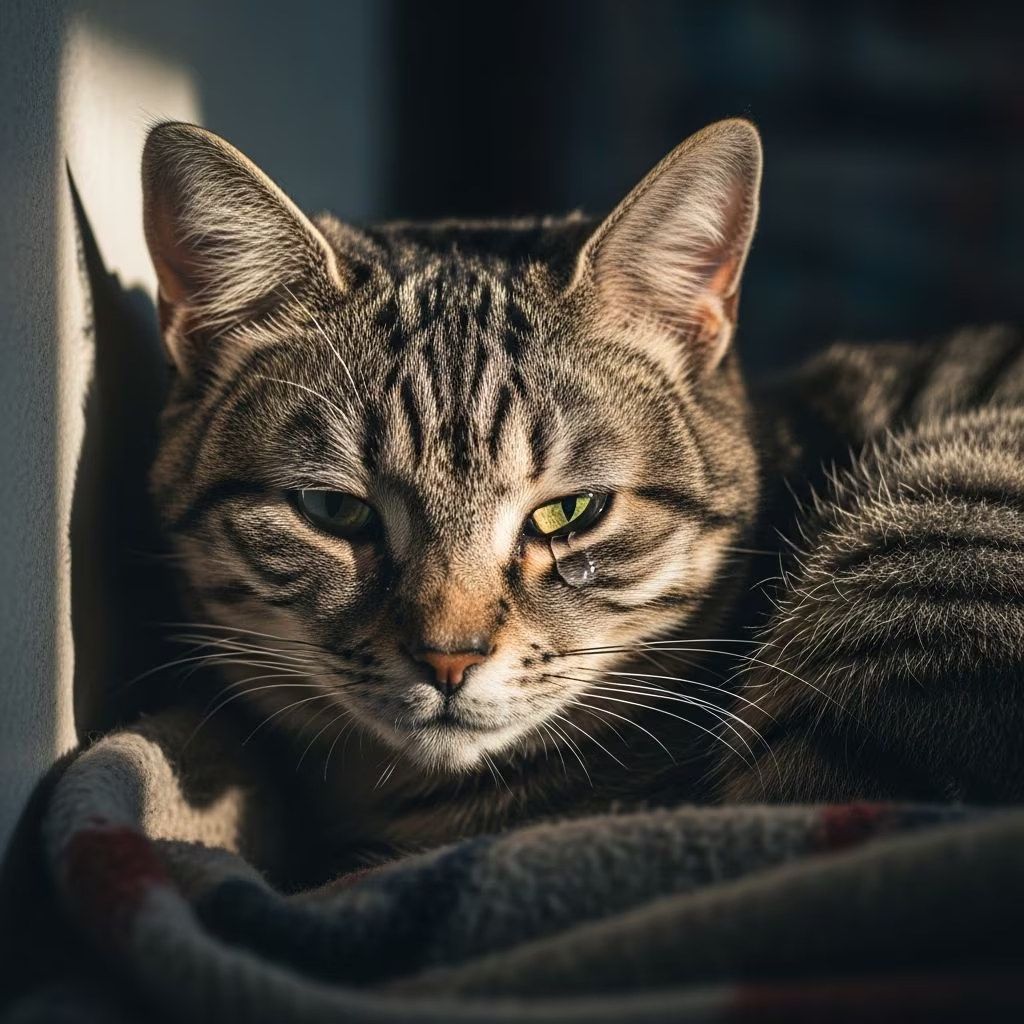
Understanding Cat Depression: What Pet Owners Need to Know
Cats are often perceived as independent and self-sufficient creatures, yet they experience complex emotions just like humans. Depression in cats is a genuine concern that can significantly impact their physical and emotional well-being. Recognizing the signs of feline depression is crucial for cat owners who want to ensure their pets maintain a healthy and happy lifestyle. While cats may not express sadness in the same way humans do, they communicate their emotional distress through behavioral and physical changes that attentive owners can identify.
The challenge with identifying depression in cats lies in their naturally aloof demeanor. Many cat behaviors might seem normal to the untrained eye, but subtle shifts in routine, appetite, and activity levels can indicate underlying emotional or physical distress. By understanding what to look for, you can intervene early and help your feline companion overcome depression.
Withdrawn Behavior: A Primary Indicator of Depression
One of the most recognizable signs of a depressed cat is withdrawn behavior. When cats experience depression, they often retreat into isolation, spending excessive time in secluded areas of your home. You may notice your cat hiding under beds, in closets, or perched on high shelves in the kitchen, away from family activity and interaction. This withdrawal represents a significant departure from normal feline behavior, where even independent cats engage with their environment and household members regularly.
Withdrawn cats may avoid areas where they previously spent time and seem uninterested in their surroundings. This reclusive tendency stems from emotional distress and represents your cat’s way of coping with sadness or anxiety. If your normally social cat suddenly becomes a hermit, this behavioral shift warrants attention and investigation into potential underlying causes.
The 13 Signs of a Depressed Cat
Depression in cats manifests through various physical and behavioral symptoms. Understanding these indicators helps you distinguish between normal feline behavior and potential signs of depression:
1. Loss of Appetite
A depressed cat often shows decreased interest in food, one of the most noticeable signs of feline depression. Cats typically maintain consistent eating patterns, so sudden changes in appetite should raise concern. A depressed cat may leave food uneaten, refuse favorite treats, or require encouragement to eat. Weight loss often accompanies appetite loss over time.
2. Reduced Activity Levels
Healthy cats engage in regular play, exploration, and climbing activities. Depressed cats show dramatically reduced activity, preferring to remain stationary for extended periods. Your cat may decline invitations to play with toys, ignore interactive games, and seem generally disinterested in physical activity.
3. Excessive Sleeping
While cats naturally sleep 12 to 16 hours daily, depressed cats may sleep even more, exhibiting unusual lethargy. Beyond simply sleeping more, depressed cats often change their sleeping locations, choosing different spots than their typical favorite napping areas. This shift in sleeping patterns indicates emotional disturbance.
4. Inappropriate Elimination
Depression can lead to urination or defecation outside the litter box, a behavior called inappropriate elimination. This sign indicates emotional distress and requires veterinary evaluation to rule out underlying medical conditions like urinary tract infections or digestive issues.
5. Poor Coat and Skin Condition
Depressed cats often neglect grooming, resulting in a dull, matted, or unkempt coat. Some depressed cats may over-groom, creating patches of irritated skin or hair loss. Both grooming extremes indicate emotional disturbance and warrant professional assessment.
6. Weight Loss
The combination of reduced appetite and decreased activity often results in noticeable weight loss. If you observe your cat appearing thinner or notice their ribs becoming more prominent, this physical change may indicate depression coupled with insufficient nutritional intake.
7. Gastrointestinal Problems
Depression can trigger digestive issues including constipation or diarrhea. Emotional stress affects the digestive system, sometimes manifesting as changes in bowel movements or elimination patterns. These GI problems require veterinary attention to ensure no underlying medical conditions exist.
8. Urinary Tract and Bladder Issues
Stress-related depression can contribute to urinary tract and bladder problems in cats. Cats experiencing emotional distress may develop inappropriate urination habits or show signs of discomfort during elimination. These symptoms require professional evaluation and treatment.
9. Excessive Vocalization
Depressed cats may exhibit changes in vocalization patterns. Some cats become unusually quiet, while others increase meowing or produce low-pitched, mournful yowls. Excessive vocalization represents an attempt to communicate emotional distress. Changes in voice pitch, loudness, or frequency warrant investigation.
10. Behavioral Problems: Aggression or Avoidance
Depression can trigger behavioral changes including uncharacteristic aggression, fearfulness, or avoidance. A normally gentle cat may become snappy or defensive, while a social cat may become fearful of familiar people. These behavioral shifts indicate emotional turmoil requiring professional support.
11. Excessive Scratching and Grooming Changes
Beyond general grooming neglect, depressed cats may engage in excessive scratching on objects. This behavior serves multiple purposes: marking territory, relieving stress, and expressing anxiety. Excessive scratching can lead to skin damage and requires intervention.
12. Loss of Interest in Play and Social Interaction
Depressed cats show diminished interest in playing with toys, interacting with family members, or socializing with other pets. A cat that previously enjoyed interactive games and attention may become indifferent to these activities, representing a significant behavioral change.
13. Body Language Changes
Subtle body language shifts communicate emotional distress in cats. Depressed cats often hold their ears back, tuck their tails, and may raise the hair on their body. These physical positions indicate unease, anxiety, and emotional discomfort that require attention and support.
Understanding the Causes of Cat Depression
Several factors can trigger depression in cats. Identifying the underlying cause helps address the root problem rather than merely treating symptoms. Common causes include illness or pain, lack of environmental stimulation, separation anxiety, changes in routine or environment, loss of a companion, and stress from household changes.
Medical Conditions as Depression Triggers
Illness and pain represent leading clinical causes of depression in cats. Conditions such as arthritis, dental problems, thyroid disease, and other medical issues cause discomfort and fatigue that manifest as depression. Senior cats particularly suffer from undiagnosed pain, which remains one of the most underrecognized conditions affecting feline well-being. Prompt veterinary evaluation can identify and treat underlying health problems contributing to depression.
Environmental and Emotional Factors
Cats require both physical and mental stimulation to thrive. Insufficient environmental enrichment, limited play opportunities, and boredom can lead to depression. Additionally, cats form strong bonds with their human families and other pets. Losing a companion—whether human or animal—can devastate cats, causing genuine grief and depression. Separation anxiety develops when cats become overly attached to their owners and experience stress during extended alone periods.
When to Seek Veterinary Care
If you notice any of these thirteen signs in your cat, veterinary consultation is essential. A veterinarian can rule out underlying medical conditions, conduct necessary diagnostic tests, and develop an appropriate treatment plan. Some depressed cats refusing to eat can develop severe metabolic disease, such as hepatic lipidosis or fatty liver syndrome, which becomes life-threatening without intervention.
While cats rarely die directly from depression, the secondary effects—particularly refusal to eat and resulting metabolic complications—can prove fatal. This reality emphasizes the importance of recognizing depression early and seeking professional help promptly. Your veterinarian can differentiate between behavioral depression and medical conditions causing similar symptoms, ensuring your cat receives appropriate treatment.
Supporting Your Depressed Cat
Helping a depressed cat overcome sadness requires patience, gentle redirection, and professional support. The first essential step involves visiting a trusted veterinarian to rule out injuries or health problems. Prompt treatment of any identified medical conditions often provides significant improvement.
Beyond medical treatment, environmental modifications can support your cat’s emotional well-being. Increase opportunities for play and interaction, provide enriching toys and climbing structures, establish predictable routines, and ensure your cat has safe spaces for retreat. Some cats benefit from additional attention and companionship, while others require more alone time. Understanding your individual cat’s personality and preferences facilitates better support.
Consider implementing behavior modification techniques, environmental enrichment, and possibly therapeutic interventions recommended by your veterinarian. In some cases, veterinary behaviorists may recommend medications or other treatments to support your cat’s mental health.
Frequently Asked Questions About Cat Depression
Q: What are four signs your cat is depressed?
A: Four of the most common signs include withdrawn behavior, failure to engage in play, loss of appetite, and reduced activity levels. However, depression in cats presents differently in each individual, and multiple signs often appear together.
Q: Can cats die of depression?
A: While unlikely, it is possible for cats to die from complications related to depression. Depressed cats who refuse to eat can develop severe metabolic diseases like hepatic lipidosis (fatty liver syndrome), which becomes life-threatening without treatment. Additionally, untreated depression may cause cats to ignore health needs or fail to seek help for emerging medical problems.
Q: How long does it take for a depressed cat to recover?
A: Recovery timeline varies depending on the underlying cause and individual cat. Cats with identified medical conditions may improve quickly with appropriate treatment. Those experiencing emotional depression may require weeks or months of consistent support, environmental enrichment, and behavioral modification.
Q: Should I take my cat to the veterinarian if I suspect depression?
A: Yes, absolutely. Veterinary evaluation is essential to rule out medical conditions causing depression symptoms. Many serious health problems present as behavioral changes, and early intervention can prevent complications. Your veterinarian can also recommend appropriate behavioral support and treatment options.
Q: What environmental changes help depressed cats?
A: Increase interactive play opportunities, provide climbing structures and perches, offer window access for stimulation, maintain predictable routines, ensure access to hiding spots, and consider introducing puzzle feeders or enrichment toys. Creating a stimulating yet safe environment supports emotional recovery.
References
- Behavioral Signs of Pain in Cats: Recognition and Management — International Society of Feline Medicine. 2024. https://www.isfm.net
- Mental Health and Stress in Companion Animals — American Animal Hospital Association (AAHA). 2023. https://www.aaha.org
- Feline Behavior and Environmental Enrichment — American Veterinary Medical Association (AVMA). 2024. https://www.avma.org
- Recognizing Depression and Stress in Cats — Cornell University College of Veterinary Medicine. 2023. https://vet.cornell.edu
- Hepatic Lipidosis in Cats: Causes, Diagnosis, and Treatment — Veterinary Information Network (VIN). 2024. https://www.vin.com
- Pain Management in Senior Cats: Clinical Guidelines — American College of Veterinary Internal Medicine. 2023. https://www.acvim.org



