

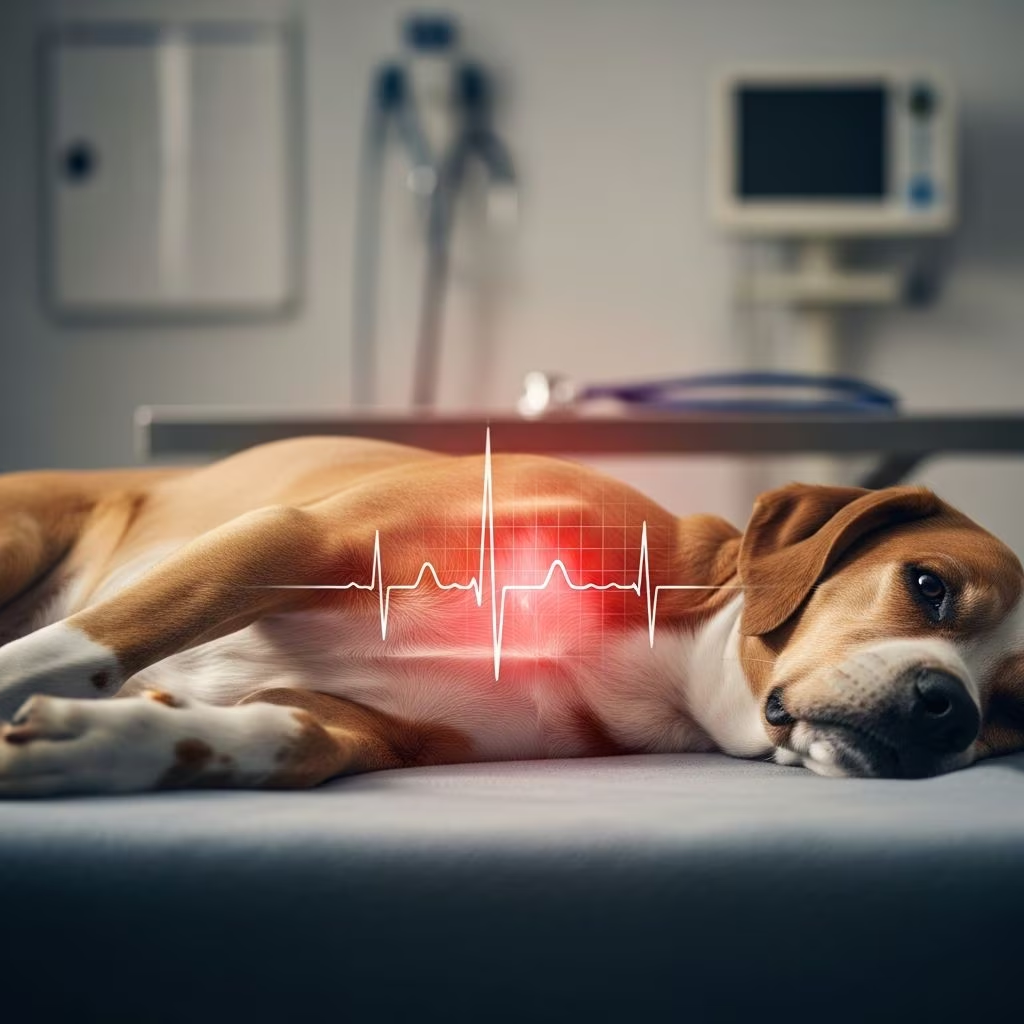
Sick sinus syndrome (SSS) is a cardiac conduction disorder in dogs where the sinoatrial (SA) node, the heart’s natural pacemaker, fails to generate or conduct electrical impulses properly. This leads to irregular heart rhythms, including slow heart rates (bradycardia), pauses between beats, or alternating fast and slow rhythms (tachy-brady syndrome). Primarily affecting middle-aged to older dogs, SSS can significantly impact quality of life if untreated, but early intervention offers promising outcomes.
Understanding the Heart’s Electrical System in Canines
The heart’s rhythm in dogs is regulated by the SA node, located in the right atrium. This specialized tissue produces electrical impulses at 60-160 beats per minute in resting adults, varying by breed and size. These signals travel through the atria to the atrioventricular (AV) node, then to the ventricles via Purkinje fibers, ensuring coordinated contractions. In SSS, SA node dysfunction disrupts this process, causing unreliable pacing.
Unlike humans, where age-related fibrosis dominates, canine SSS often stems from congenital issues, breed predispositions, or secondary factors. Small breeds like Miniature Schnauzers, West Highland White Terriers, and Cocker Spaniels show higher incidence due to genetic vulnerabilities in cardiac conduction pathways.
Primary Causes and Risk Factors
SSS in dogs arises from intrinsic SA node damage or extrinsic influences. Key causes include:
- Genetic predispositions: Hereditary defects in ion channels or connective tissue lead to progressive fibrosis, especially in predisposed breeds.
- Age-related degeneration: Similar to human cases, wear-and-tear fibrosis affects older dogs, impairing impulse generation.
- Acquired heart diseases: Myocarditis, cardiomyopathy, or endocarditis scars the SA node.
- Post-surgical complications: Procedures near the heart, like valve repairs, can inadvertently damage conduction tissues.
- Electrolyte imbalances: Abnormal potassium, calcium, or magnesium levels disrupt electrical activity.
- Medications and toxins: Certain anti-arrhythmics, beta-blockers, or digoxin overdoses suppress SA node function.
Risk escalates with comorbidities like hypothyroidism, obesity, or chronic respiratory issues, which strain the cardiovascular system. Unlike infectious causes in humans (e.g., post-influenza), canine SSS rarely links to viruses but correlates with idiopathic fibrosis.
Recognizing Symptoms: From Subtle to Severe
Symptoms vary based on arrhythmia severity and duration. Many dogs remain asymptomatic early on, with issues emerging during exertion or stress. Common signs include:
- Exercise intolerance: Reluctance to play, rapid fatigue, or collapse during walks.
- Weakness and lethargy: Reduced energy, preferring to rest excessively.
- Syncope (fainting): Sudden loss of consciousness from cerebral hypoperfusion during pauses.
- Coughing or labored breathing: Due to poor cardiac output leading to pulmonary congestion.
- Palpitations or irregular pulse: Detectable as uneven heartbeat under the chest.
In tachy-brady forms, dogs may show intermittent rapid breathing or restlessness alternating with bradycardia-induced sluggishness. Owners often mistake early signs for aging, delaying diagnosis.
Diagnostic Approaches for Accurate Identification
Veterinarians employ a multi-step process to confirm SSS, ruling out mimics like vagal bradycardia or hypothyroidism.
- History and physical exam: Assess breed, age, symptoms, and palpate for weak pulses or murmurs.
- Electrocardiogram (ECG): Gold standard; reveals sinus bradycardia (<60 bpm), sinus arrest (>3-second pauses), or AV block.
- Holter monitoring: 24-48 hour ambulatory ECG captures intermittent events.
- Echocardiography: Evaluates structural heart disease, chamber sizes, and valve function.
- Blood tests: Check electrolytes, thyroid levels, and markers like troponin for myocardial damage.
- Exercise testing: Provokes chronotropic incompetence (failure to increase heart rate).
Differential diagnoses include complete heart block, drug toxicity, or neurologic issues. Advanced imaging like CT may identify infiltrative diseases.
Treatment Options: From Conservative to Interventional
Treatment targets symptom relief and rhythm stabilization, tailored to severity. Asymptomatic cases warrant monitoring.
Medical Management
Initial steps address reversible causes:
- Discontinue offending drugs.
- Correct electrolytes or hypothyroidism.
- Anti-arrhythmics like theophylline or terbutaline for bradycardia; beta-blockers cautiously for tachy episodes.
Anticoagulants (e.g., clopidogrel) prevent thromboembolism in atrial fibrillation cases.
Pacemaker Implantation: The Definitive Solution
For symptomatic bradycardia, permanent transvenous pacemakers are highly effective, restoring normal rates. Single-chamber (ventricular) or dual-chamber (atrial-ventricular) devices sync contractions, reducing syncope by 90%. Procedure involves fluoroscopy-guided lead placement via jugular vein, with battery life of 8-12 years. Complications (infection, lead dislodgement) occur in <5%.
| Treatment Type | Indications | Success Rate | Potential Risks |
|---|---|---|---|
| Medications | Mild, reversible cases | 60-70% | Pro-arrhythmia, side effects |
| Pacemaker | Symptomatic bradycardia | 95% | Infection (2%), battery failure |
| Lifestyle | Adjunct to all | Supportive | None |
Lifestyle Modifications and Supportive Care
Complement treatments with heart-healthy habits:
- Diet: Low-sodium, omega-3 rich foods (e.g., fish oil) reduce inflammation.
- Exercise: Moderate, paced activity prevents deconditioning.
- Weight control: Obesity exacerbates arrhythmias.
- Avoid triggers: Heat, stress, or stimulants like caffeine.
- Regular monitoring: Home pulse checks and vet follow-ups.
Pet insurance covers diagnostics and pacemakers, easing financial burdens.
Prognosis and Long-Term Outlook
With pacemakers, most dogs achieve normal activity levels, surviving 2-5+ years post-implant. Untreated SSS progresses to heart failure or sudden death. Regular device checks (every 6 months) ensure longevity. Breed and comorbidities influence outcomes; smaller dogs fare better.
FAQs on Sick Sinus Syndrome in Dogs
What breeds are most prone to SSS?
Miniature Schnauzers, Cocker Spaniels, and Westies due to genetic factors.
Can SSS be cured?
Not cured, but managed effectively with pacemakers for near-normal life.
How much does a dog pacemaker cost?
$3,000-$6,000 USD, including surgery and follow-up.
Is SSS painful for dogs?
No direct pain, but syncope and weakness cause distress.
Can diet prevent SSS?
Not prevent, but supports heart health and slows progression.
Early detection via routine senior wellness exams is crucial. Consult a veterinary cardiologist for tailored plans.
References
- Sick sinus syndrome – Diagnosis & treatment – Mayo Clinic — Mayo Clinic. 2023-10-26. https://www.mayoclinic.org/diseases-conditions/sick-sinus-syndrome/diagnosis-treatment/drc-20377560
- Sick sinus syndrome – Symptoms & causes – Mayo Clinic — Mayo Clinic. 2023-10-26. https://www.mayoclinic.org/diseases-conditions/sick-sinus-syndrome/symptoms-causes/syc-20377554
- Diagnosis and Treatment of Sick Sinus Syndrome – AAFP — American Academy of Family Physicians. 2003-04-15. https://www.aafp.org/pubs/afp/issues/2003/0415/p1725.html
- Sick Sinus Syndrome: Symptoms & Treatment – Mass General Brigham — Mass General Brigham. 2024. https://www.massgeneralbrigham.org/en/patient-care/services-and-specialties/heart/conditions/sick-sinus-syndrome
- Sick Sinus Syndrome – StatPearls – NCBI Bookshelf – NIH — National Center for Biotechnology Information. 2023-07-17. https://www.ncbi.nlm.nih.gov/books/NBK470599/
- Sick Sinus Syndrome: Symptoms, Causes & Treatment — Cleveland Clinic. 2023-08-24. https://my.clevelandclinic.org/health/diseases/21789-sick-sinus-syndrome



