

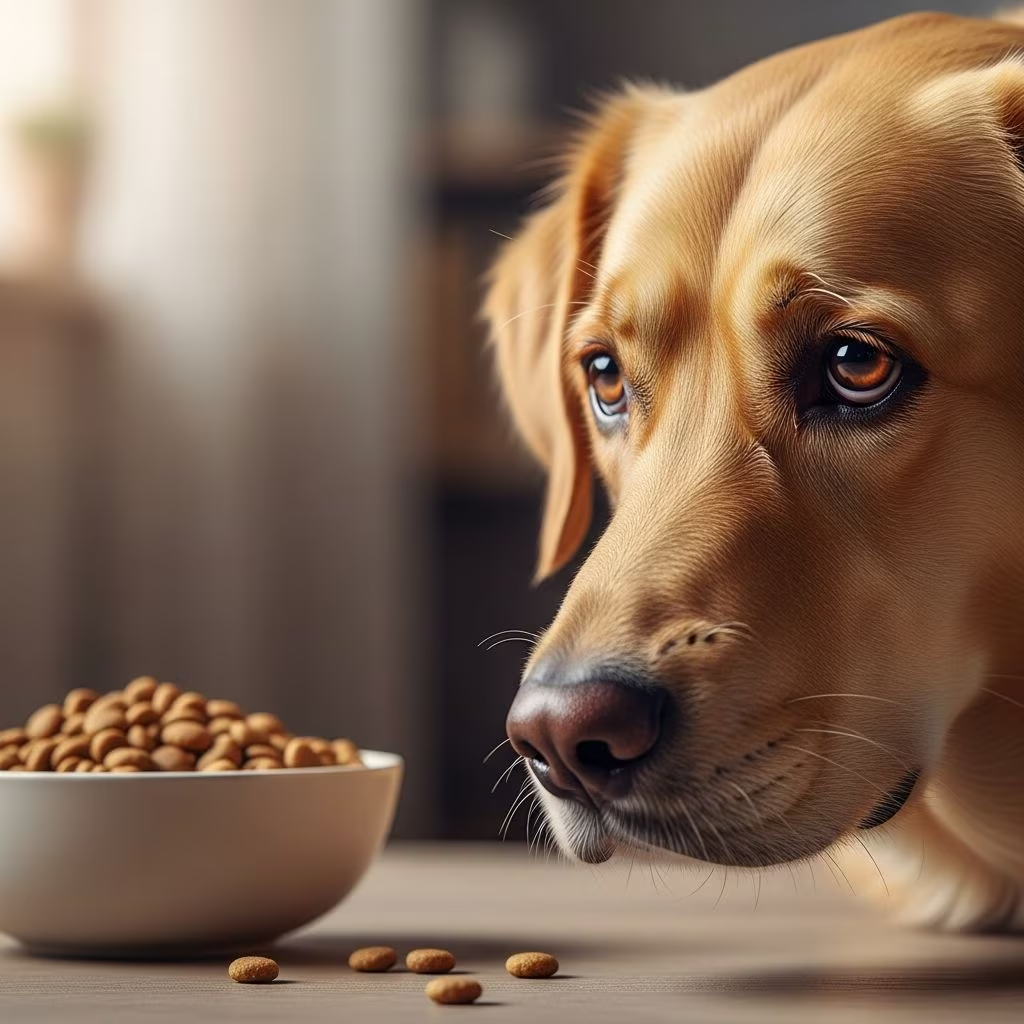
Your dog’s refusal to eat during illness can be alarming, as it may point to underlying health issues ranging from minor discomfort to serious conditions. Promptly addressing this helps prevent dehydration and nutrient deficiencies that worsen recovery. This comprehensive guide outlines key reasons for appetite loss in sick dogs and provides actionable strategies grounded in veterinary insights.
Recognizing Appetite Loss in Ill Dogs
Appetite suppression, known medically as anorexia in pets, differs from pickiness. A healthy dog might skip a meal due to treats or preference, but a sick one often ignores food entirely for 24 hours or more, accompanied by lethargy, vomiting, or diarrhea. Monitor duration: puppies and small breeds risk hypoglycemia faster than large adults, so act within 12-24 hours if symptoms persist.
- Observe total intake over 48 hours, not single meals.
- Note accompanying signs like weight loss or dehydration (dry gums, sunken eyes).
- Differentiate from hyporexia, partial eating, which still signals concern.
Primary Medical Causes Behind Refusal to Eat
Illness often triggers systemic responses that dampen hunger. Gastrointestinal disruptions top the list, but organ failures and infections follow closely.
Gastrointestinal and Digestive Disorders
Conditions like parvovirus, inflammatory bowel disease, or simple dietary indiscretion cause nausea and pain, making food unappealing. Obstructions from swallowed objects block nutrient absorption, leading to rapid refusal. Pancreatitis inflames the organ, causing severe abdominal discomfort that halts eating.
Organ Dysfunction and Systemic Diseases
Kidney failure, liver disease, or diabetic ketoacidosis alter metabolism, producing toxins that suppress appetite. Heartworm disease and cancer, especially gastrointestinal tumors, further contribute by causing pain or cachexia (wasting).
| Condition | Symptoms with Appetite Loss | Urgency |
|---|---|---|
| Parvovirus | Vomiting, bloody diarrhea, lethargy | Emergency |
| Kidney Disease | Increased thirst, bad breath, weakness | High |
| Pancreatitis | Vomiting, hunched posture, fever | High |
| Cancer | Weight loss, lumps, ongoing fatigue | Consult vet ASAP |
Dental and Oral Health Problems
Pain from fractured teeth, gum infections, or abscesses makes chewing agony, especially on kibble. Dogs may eat soft treats but shun regular meals. Bad breath or drooling often clues owners in; annual dental exams prevent escalation.
Non-Medical Factors Mimicking Illness
Not all refusals stem from sickness. Stress or environmental shifts can overlay illness effects.
Stress, Anxiety, and Behavioral Issues
New homes, separations, or loud noises spike cortisol, curbing hunger temporarily. Senior cognitive decline mimics illness by reducing interest in routines like mealtime. Medications or recent vaccines also cause short-term nausea.
Pain from Mobility Issues
Arthritis or hip dysplasia pains dogs when bending to bowls, leading to avoidance. Joint stiffness worsens in older pets, compounding illness.
Dietary and Overfeeding Pitfalls
Sudden food switches upset stomachs, while excess treats fill dogs before meals. Table scraps create expectations for tastier options, turning kibble into ‘trash’.
Immediate Steps to Encourage Eating
While diagnosing the root cause, tempt appetite without forcing, as starvation harms healing.
- Warm the food: Microwave briefly to enhance aromas, stirring to avoid hot spots.
- Add moisture: Mix warm water or low-sodium broth into kibble for softer texture.
- Hand-feed gently: Builds trust; start with small portions.
- Elevate bowls: For pained necks in arthritic dogs.
- Try bland diets: Boiled chicken and rice (no skin/bones) for 24-48 hours, unless allergies exist.
Avoid human foods high in fat/salt; they risk pancreatitis flare-ups.
Veterinary Interventions for Persistent Cases
If home tricks fail after 24 hours, seek professional care. Vets diagnose via exams, bloodwork, or imaging.
- Appetite stimulants: Mirtazapine or capromorelin (Entyce) boost hunger safely.
- Prescription diets: Tailored for kidney/liver issues, nutrient-dense for recovery.
- Supportive feeding: Syringe liquids or feeding tubes for severe dehydration.
- Treat underlying issues: Antibiotics for infections, dental cleanings under anesthesia.
Preventing Future Appetite Problems
Proactive care minimizes recurrences. Maintain dental hygiene with brushing and chews; schedule yearly check-ups. Gradual diet transitions over 7-10 days prevent GI upset. Track stressors and minimize via routines, pheromone diffusers, or anxiety meds if needed. Portion control avoids overfeeding—consult vets for breed-specific calorie needs.
Special Considerations for Puppies, Seniors, and Breeds
Puppies drop energy fast without food; hypoglycemia risks demand quicker action. Seniors face compounded issues like organ decline and pickiness. Brachycephalic breeds (e.g., Bulldogs) suffer more dental woes; giants like Great Danes risk bloat-related refusals.
FAQ: Common Questions on Sick Dogs Not Eating
How long can a sick dog go without eating?
Up to 24-48 hours for adults, but consult a vet sooner for puppies, seniors, or those with vomiting/dehydration.
Is it okay to force-feed a dog?
No—risks aspiration pneumonia. Use vet-guided syringe methods only.
What if my dog eats treats but not kibble?
Likely dental pain or pickiness; check mouth and reduce treats.
Can stress alone cause prolonged refusal?
Temporary yes, but persisting beyond days warrants medical checks.
Should I change foods during illness?
Only bland transitions; discuss with vet for chronic conditions.
Long-Term Monitoring and Recovery Tracking
Post-recovery, weigh weekly and log intake. Reintroduce normal food gradually. Persistent issues may indicate chronic disease needing lifelong management. Early intervention ensures fuller, happier lives for canine companions.
References
- Dog Not Eating? Possible Causes and Appetite Solutions — WebMD. 2023-10-15. https://www.webmd.com/pets/dogs/dog-not-eating-possible-causes-and-appetite-solutions
- My Dog Is Not Eating: Causes and What To Do — Cherry Creek Veterinary Clinic. 2024-05-20. https://www.cherrycreekvet.com/blog/my-dog-is-not-eating-causes-and-what-to-do/
- Why is my dog not eating and what can I do? — Small Door Veterinary. 2024-08-10. https://www.smalldoorvet.com/learning-center/what-to-do/dog-wont-eat
- Why Is My Dog Not Eating? Causes and What To Do — PetMD. 2024-11-05. https://www.petmd.com/dog/symptoms/why-my-dog-not-eating
- 7 Reasons Why Your Dog Is Not Eating (and How to Help) — GoodRx. 2024-07-12. https://www.goodrx.com/pet-health/dog/not-eating
- What to Do When Your Dog Isn’t Eating — PetNest Animal Hospital. 2024-08-03. https://petnestanimalhospital.com/2024/08/03/dog-not-eating-tips/
- 8 Reasons Why Your Dog Is Eating Treats But Not Their Food — Arvada Vet Hospital. 2023-12-18. https://arvadavethospital.com/blog/8-reasons-why-your-dog-is-eating-treats-but-not-their-food/



