

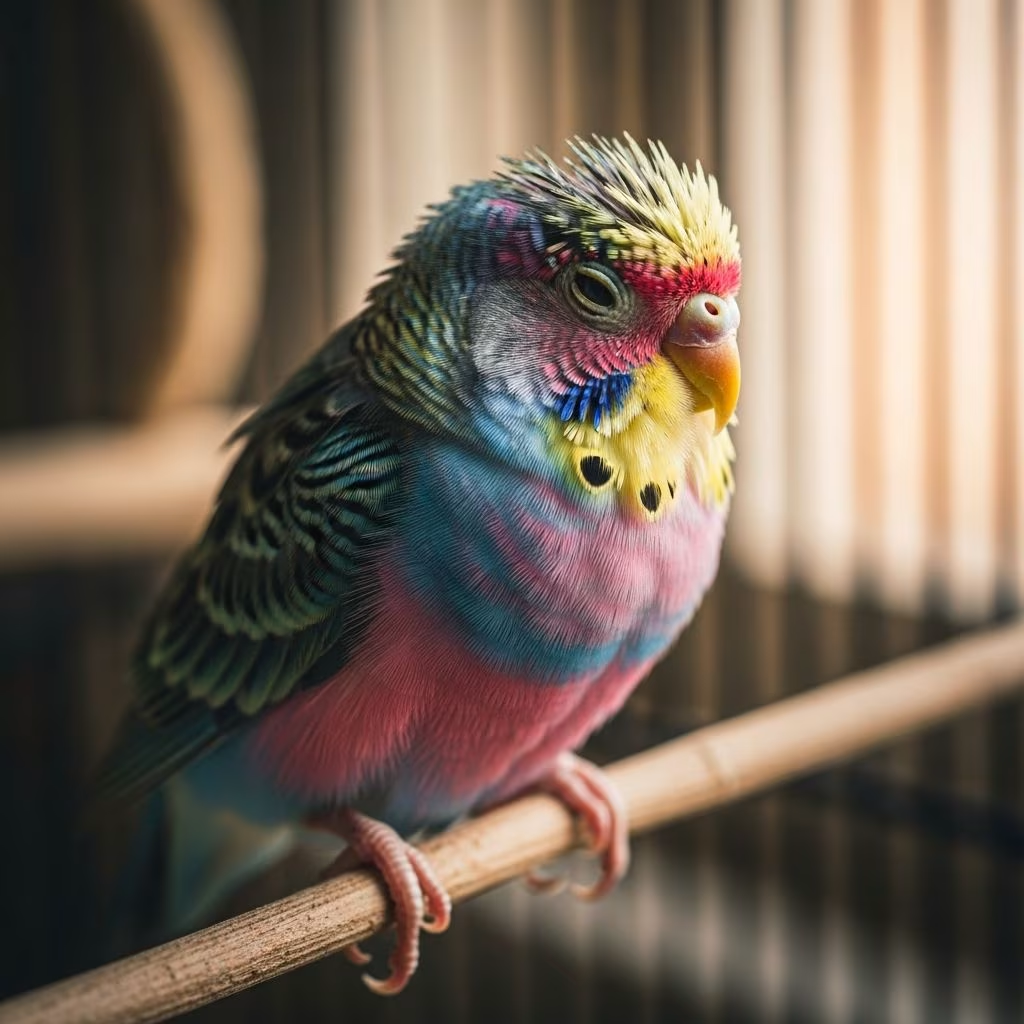
Sick Bird Signs: How to Recognize When Your Bird Is Ill
Pet birds are masters at hiding their illnesses, which is why understanding the signs of a sick bird is crucial for every bird owner. In the wild, birds that show signs of weakness become vulnerable to predators, so they have evolved to conceal their health problems until they are severely ill. This natural instinct means that by the time you notice your bird is sick, the condition may already be quite serious. Recognizing the early warning signs of illness can make the difference between a quick recovery and a life-threatening emergency.
Behavioral Changes: The First Sign of Illness
One of the most important indicators that your bird may be sick is a change in behavior. Behavioral changes often appear before any physical symptoms become visible, making them one of the most reliable early warning signs of illness. If your bird suddenly acts differently than usual, it is time to pay close attention and monitor their health carefully.
Decreased Vocalization and Silence
Generally, the first sign of a sick bird is a behavior change, and commonly this behavior change involves the bird stopping talking and vocalizing. When birds don’t feel well, they become quieter because they are weaker and don’t want to vocalize. Any sounds they make are typically low-toned rather than high-pitched, and they don’t put much effort into their vocalizations. This is very similar to how humans react when feeling ill—our voice tone goes down and we become less animated.
Any kind of physical ailment—including an infection, inflammation, metabolic disorder, or trauma—could cause your bird to decrease its vocalizations or stop chattering altogether. If your bird feels sick, they may simply not feel confident enough to vocalize. However, it’s important to note that changes in vocalization can also indicate pain or discomfort, so any bird that suddenly stops making their normal sounds should be examined by a veterinarian as soon as possible to ensure there is no medical cause for this change in behavior.
Excessive Vocalization and Screaming
While decreased vocalization is a warning sign, the opposite can also indicate a problem. A sudden increase in screaming, repetitive chirping, or alarm calls can be linked to distress. Screeching may indicate that a bird is bored or unhappy, but it can also signal underlying stress or pain. Since any bird that suddenly starts screaming or has any change in their vocalizations should be checked out by a veterinarian, it’s essential not to dismiss these changes as simple behavioral quirks.
Withdrawal and Lack of Interest
Does your bird seem unhappy or uninterested in spending time with you? This change in behavior may be due to illness. Birds who are sick or in pain might no longer want to come out of their enclosure to interact and may even start showing signs of aggression if handled. Most pet birds are prey species and will try to hide their pain or illness until they no longer have the energy to do so.
Changes in Appetite
Birds that are severely stressed or depressed may eat less and lose weight. Because a decreased appetite can also be a sign of medical disease, birds whose appetites change should be thoroughly examined by a veterinarian to make sure they aren’t hiding an underlying illness.
Physical Signs of Illness in Birds
Beyond behavioral changes, several physical signs can indicate that your bird is sick. Learning to recognize these symptoms will help you get your bird the medical attention they need quickly.
Fluffed Feathers and Poor Plumage Condition
When a bird is sick, we often see a fluffed appearance. Some believe that a bird feeling sick is trying to trap air between the feathers and the body to get warmer, and potentially this behavior raises the body temperature, which helps fight disease. If a bird no longer has shiny feathers in place, is not sticking their head under their wings to put feathers back in place, or has dirty feathers, assume the bird is sick.
Eye and Nasal Discharge
Eye and nasal discharge can indicate several health problems in birds. Signs of eye irritation, also known as conjunctivitis, include swollen, red eyes, eye or nostril discharge, facial swelling, light sensitivity, cloudy or glassy eyes, and swollen eyelids. If your bird is constantly blinking, squinting, or rubbing their eyes, this could signal an infection or irritation that requires veterinary attention.
Respiratory Issues
Respiratory problems in birds can manifest in several ways. Aspergillosis may cause the bird’s voice to suddenly turn raspy or hoarse, or the bird may make an involuntary squeak or high-pitched whistle which it never made before. Other diseases that can affect the airway include tracheitis, bronchitis, air sac disease, pneumonia, and tracheal tumors. A bird might also have a foreign body, such as a piece of food or a part of a toy, stuck in the trachea or near the syrinx.
Abnormal Droppings
Changes in your bird’s droppings can be a significant indicator of illness. Symptoms of psittacosis in birds include eye or nose discharge, poor appetite, ruffled appearance, and green or yellow-green droppings. Loose droppings may also indicate infection, inflammation, or other internal problems. Regular monitoring of your bird’s droppings is an easy way to catch potential health issues early.
Common Illnesses and Their Symptoms
Psittacosis (Parrot Fever)
A particularly troublesome bacterial infection is parrot fever—psittacosis—because it can spread to humans from infected birds via inhalation of infected dried feces. It’s commonly carried by stressed-out smaller birds like parakeets and cockatiels. Symptoms of psittacosis in birds include eye or nose discharge, poor appetite, ruffled appearance, green or yellow-green droppings, and loose droppings, though they can shed the disease without any symptoms. In humans exposed to infected birds, watch out for fever, muscle pains, and a cough.
Sinus Infections
Swollen eyes or eye and nostril discharge can often indicate bacterial, viral, or fungal sinusitis, especially if your feathered friend sneezes a lot. A bird experiencing a sinus infection may show signs of general malaise and decreased interest in normal activities.
Salmonellosis
Salmonella can infect all bird species, particularly wild birds. Typical symptoms—such as yellowish-green droppings, dermatitis, and a generally unkempt appearance—will be present well before the eyes develop conjunctivitis.
Mites and Parasites
Your bird may have bird mites, such as scaly mites, which are parasites that cause skin lesions. Your infected bird may rub their beak, itchy and irritated by the microscopic parasites, and their eyes may get caught in the melee. Conjunctivitis and inflamed eyelids can follow from mite infections.
Ear Infections
An ear infection is not always an emergency, but because it is uncomfortable, veterinarians recommend that owners seek help right away for their bird. Continuous head shaking or head shaking as a new behavior should prompt a visit to the veterinarian.
Crop Problems
The crop is a pouch on the front of a bird’s neck above their chest. Birds use the crop to store food, and if there’s something wrong with it, like a crop infection, there could be a buildup of food. Problems with the crop require prompt veterinary attention to prevent serious complications.
Other Illnesses
Some other possible illnesses include a common bacterial infection called psittacosis (also known as chlamydiosis or parrot fever) and air sac mites. Any unusual behavior or physical change should be evaluated by an avian veterinarian.
Behavioral Issues That May Signal Pain or Illness
Biting and Aggression
While many people misinterpret birds’ biting as an act of aggression, this behavior is often a sign of stress and fear. Birds will frequently bite and lunge to try to protect themselves when they are afraid; they may bite humans, other birds, or the bars of their cage. Because biting also may be a sign of pain or discomfort, a bird that suddenly starts biting a lot should have a complete veterinary examination to ensure there’s no underlying medical problem for this new behavior.
Feather Plucking and Self-Mutilation
Feather-picking birds should have a thorough medical examination, including blood work, to help rule out other causes of illness. Some stressed birds will go beyond feather-picking to chew on their skin or even dig deeper into muscle and bone, causing severe trauma. These birds must not only be examined by a veterinarian immediately, but they must also be started on anti-psychotic medication and/or fitted with a recovery cone to prevent them from doing further damage while the veterinarian figures out what’s going on.
When to Contact Your Veterinarian
Though tumors are rare in birds, it’s important to check with your veterinarian any time you see signs of illness or unusual behavior, which could indicate a health issue. Veterinarians also recommend annual exams for birds—they’re your best chance to catch health issues like tumors early so they are easier to manage. Oftentimes, birds will not show clinical signs of illness until they are very sick, making preventive care essential.
Be sure to establish a relationship with a local exotic animal veterinarian in case of emergency. When you notice any of the following changes in your bird, contact your veterinarian promptly:
– Sudden changes in vocalization patterns- Fluffed, ruffled, or dirty feathers- Eye or nasal discharge- Abnormal droppings- Continuous or new head shaking- Loss of appetite or weight loss- Decreased activity and interest in interaction- Excessive screaming or vocalizations- Signs of injury or injury to eyes- Difficulty breathing or wheezing
Cardiac Health and Hidden Illnesses
Some birds may have a heart murmur, which means that there is abnormal blood flow in the heart and through one or more of the valves. This in itself doesn’t necessarily mean that the bird has a problem, but those identified with a heart murmur should be followed more closely and undergo a cardiac work-up either before a problem occurs or if signs of a heart problem begin to show up. A cardiac work-up includes baseline blood tests, radiographs to evaluate the heart, lungs, air sacs, liver and other internal organs, and perhaps an echocardiogram or electrocardiogram or special dye studies of the heart and blood vessels. Veterinarians also suggest testing for Chlamydophila, although testing is never 100 percent in a live bird.
What Healthy Birds Look and Act Like
To recognize signs of illness, it’s helpful to know what a healthy, happy bird looks and acts like. Signs of a happy bird include head bobbing or putting their head down for tickles, singing, relaxed body language, talking, whistling, purring, and beak clicking. A healthy bird will be active, engaged with their environment, and interested in interacting with their owner.
Frequently Asked Questions
Q: Can my bird catch a cold or the flu from me?
A: No. Most human diseases, including those that cause the common cold and the flu, are not transmittable to companion birds. However, birds can contract their own specific illnesses, so it’s still important to maintain good hygiene and prevent exposure to other sick birds.
Q: How often should I take my bird to the veterinarian?
A: Annual exams for birds are recommended to catch health issues early. If your bird shows any signs of illness or behavioral changes, contact your veterinarian immediately rather than waiting for the next scheduled visit.
Q: What should I do if my bird suddenly becomes quiet?
A: Sudden silence in a previously vocal bird is a warning sign that should not be ignored. Contact your veterinarian promptly to have your bird evaluated, as this behavioral change often indicates illness or pain.
Q: Are all cases of head shaking serious?
A: While occasional head shaking may be normal grooming behavior, continuous head shaking or head shaking as a new behavior should prompt a veterinary visit. This could indicate ear infections, mites, or other health problems requiring treatment.
Q: What does a fluffed bird indicate?
A: Fluffed feathers in birds often indicate illness, as the bird is attempting to trap warm air to raise their body temperature and fight disease. Combined with other symptoms like dirty feathers or lack of grooming, fluffed plumage is a strong sign that veterinary care is needed.
Q: Can stress cause illness in birds?
A: Yes, stress can contribute to illness in birds and cause behavioral changes like decreased vocalization, aggression, or feather plucking. It’s important to provide a stable, calm environment for your bird and monitor for any signs of distress or illness.
Q: How do I establish a relationship with an avian veterinarian?
A: Research exotic animal veterinarians in your area who specialize in avian medicine. Schedule a wellness visit before an emergency occurs so your veterinarian can establish a baseline for your bird’s health and you’ll have an established relationship to turn to if problems arise.
References
- Bird Body Language 101 — Chewy. 2025. https://www.chewy.com/education/bird/training-and-behavior/bird-body-language-101
- When A Bird Goes Silent — Chewy. 2025. https://www.chewy.com/education/bird/health-and-wellness/when-a-bird-goes-silent
- Bird Eye Problems: Signs, Common Causes and Treatments — Chewy. 2025. https://www.chewy.com/education/bird/health-and-wellness/eye-injuries-in-birds
- How To Tell If a Bird Is Stressed, Depressed, or Anxious — PetMD. 2025. https://www.petmd.com/bird/behavior/how-tell-if-your-bird-unhappy-or-stressed-and-what-do
- 6 Signs Your Bird ‘Hates’ You (And What They Actually Mean) — Chewy. 2025. https://www.chewy.com/education/bird/general/signs-your-bird-hates-you
- Bird Heart Health — Chewy. 2025. https://www.chewy.com/education/bird/health-and-wellness/bird-heart-health
- Tumors in Birds: Types, Symptoms and Pictures — Chewy. 2025. https://www.chewy.com/education/bird/general/lumps-and-tumors-in-birds
- Is My Bird Susceptible To The Cold Or The Flu? — Chewy. 2025. https://www.chewy.com/education/bird/health-and-wellness/is-my-bird-susceptible-to-the-cold-or-the-flu



