

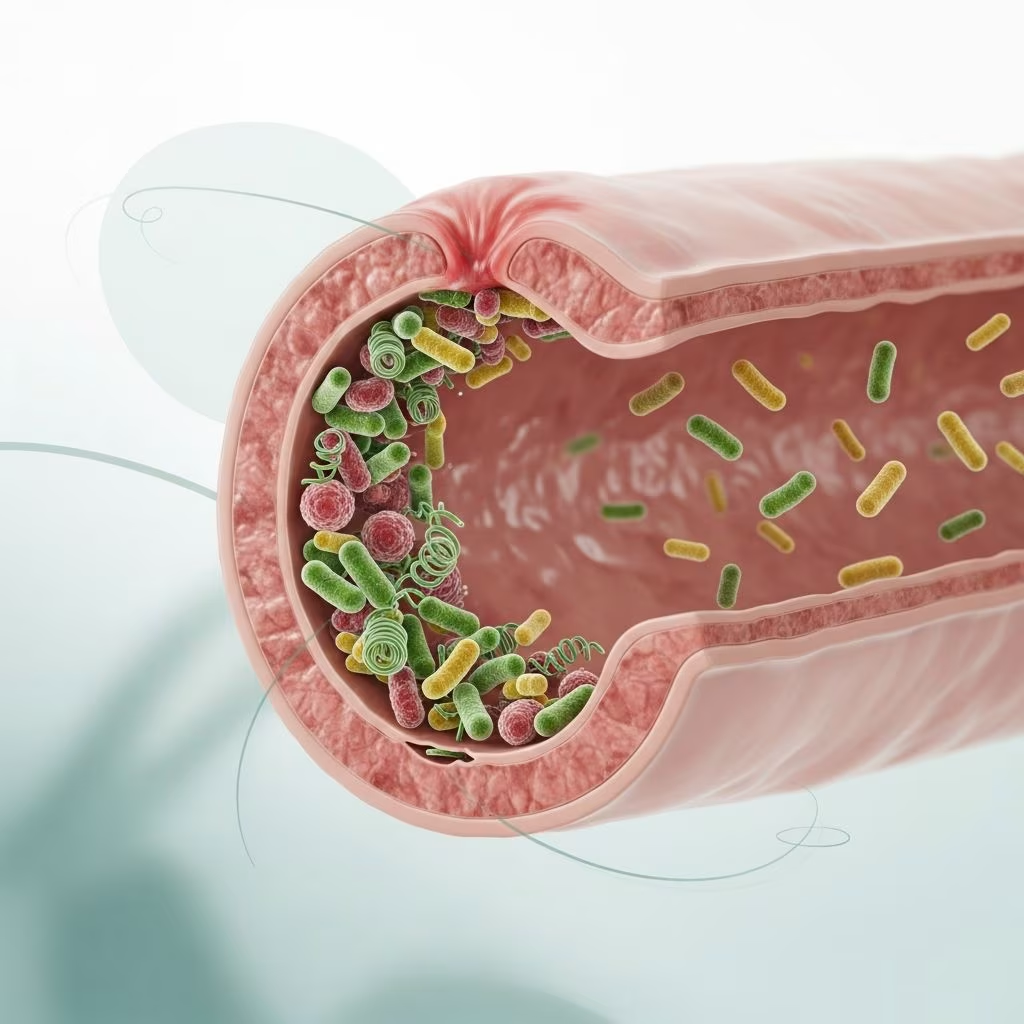
Small Intestinal Bacterial Overgrowth (SIBO) occurs when excessive bacteria populate the small intestine of pets, disrupting normal digestion and leading to discomfort. This condition, though more commonly discussed in humans, affects dogs and cats, causing issues like bloating and nutrient malabsorption.
Understanding the Basics of SIBO in Animals
The small intestine in healthy pets maintains low bacterial levels due to stomach acid, bile, and motility that sweeps bacteria away. In SIBO, factors like slowed gut movement allow bacteria from the large intestine to thrive upstream, fermenting food and producing gases. Pets with SIBO often show chronic symptoms mimicking other gut disorders, making early detection key.
This overgrowth leads to inflammation and impaired nutrient uptake, potentially causing deficiencies in vitamins like B12 and fat-soluble ones. While not life-threatening alone, untreated SIBO can weaken pets over time, emphasizing the need for veterinary oversight.
Common Signs Your Pet Might Have SIBO
Recognizing SIBO symptoms helps pet owners seek timely care. Key indicators include:
- Persistent bloating: The abdomen swells due to gas from bacterial fermentation of carbs.
- Excessive gas and flatulence: Pets may pass more gas than usual, signaling hydrogen or methane production.
- Diarrhea: Watery or fatty stools result from bile salt breakdown and fat malabsorption.
- Abdominal discomfort: Pain, cramping, or sensitivity when touched.
- Unintended weight loss: Despite normal eating, poor absorption leads to lean mass reduction.
- Fatigue and weakness: Stemming from malnutrition and deficiencies.
These signs overlap with conditions like IBD or food allergies, so professional diagnosis is essential. Puppies or senior pets may show nausea or poor coat quality too.
Risk Factors and Underlying Triggers
SIBO rarely arises without predisposing issues. Common triggers in pets mirror human ones but adapt to veterinary contexts:
| Risk Factor | Description | Examples in Pets |
|---|---|---|
| Motility Disorders | Slowed gut movement traps bacteria | Diabetes, post-surgical recovery |
| Structural Abnormalities | Blockages or loops foster growth | Adhesions, diverticula, bowel resections |
| Immune Compromises | Weak defenses allow overgrowth | Immunodeficiencies, chronic infections |
| Pancreatic Issues | Low enzymes reduce bacterial control | Pancreatitis, exocrine insufficiency |
| Other Conditions | Systemic diseases contribute | IBD, celiac-like disorders, aging |
Breeds prone to motility problems, like German Shepherds with IBD risks, or cats with chronic enteropathies, face higher odds. Surgeries or medications lowering stomach acid (e.g., PPIs) exacerbate risks.
How Vets Diagnose SIBO
Diagnosis starts with history and exam, ruling out parasites or allergies. Key tests include:
- Breath tests: Pets ingest lactulose; exhaled hydrogen/methane spikes indicate overgrowth.
- Blood work: Checks for deficiencies (B12, vitamins), anemia, or inflammation.
- Stool analysis: Assesses fat content (steatorrhea) and pathogens.
- Endoscopy/biopsy: Visualizes lining, cultures bacteria.
- Imaging: X-rays or ultrasound detect structural issues.
Breath testing is non-invasive and preferred for pets, though sedation may be needed. No single test is foolproof; vets combine results.
Treatment Strategies for Pet SIBO
Managing SIBO focuses on reducing bacteria, restoring motility, and addressing causes. Approaches include:
- Antibiotics: Rifaximin-like drugs target small intestine bacteria without disrupting colon flora.
- Prokinetics: Medications like erythromycin boost motility to clear bacteria.
- Dietary Changes: Low-carb, highly digestible foods limit fermentation; pre/probiotics support balance.
- Supplements: B12 injections, digestive enzymes for malabsorption.
Treatment duration is 2-4 weeks, with follow-up testing. Recurrence is common (up to 40%), requiring ongoing management.
Potential Complications if Ignored
Chronic SIBO harms beyond discomfort:
- Malnutrition: Leads to muscle wasting, poor immunity.
- Vitamin Deficiencies: B12 shortage causes neurological issues; low Vit D risks bone weakness.
- Osteoporosis-like Conditions: Calcium malabsorption weakens bones.
- Kidney Issues: Oxalate buildup from fat malabsorption forms stones.
Pets may develop secondary infections or worsened underlying diseases.
Prevention and Long-Term Management
Prevent SIBO by:
- Feeding motility-promoting diets (high fiber for dogs, novel proteins for cats).
- Regular vet check-ups for at-risk pets.
- Avoiding unnecessary acid-suppressing drugs.
- Post-surgery motility support.
Monitor symptoms and retreat promptly. Holistic aids like herbal antimicrobials (e.g., oregano oil) show promise but need vet approval.
FAQs on SIBO in Pets
Can diet alone cure my pet’s SIBO?
Diet helps manage but rarely cures without antibiotics or prokinetics, as it addresses symptoms not root overgrowth.
Is SIBO contagious to other pets?
No, it’s not infectious; it’s due to individual gut factors.
How long does recovery take?
Symptoms improve in days to weeks, but full control may need months.
Are puppies prone to SIBO?
Less common, but congenital motility issues increase risk.
Does insurance cover SIBO treatment?
Many pet plans do, especially for diagnostics and meds; check policy[original inspiration].
Pet owners play a vital role in SIBO management through observation and adherence to vet plans, improving quality of life significantly.
References
- SIBO (Small Intestinal Bacterial Overgrowth): Symptoms & Causes — New York-Presbyterian. Accessed 2026. https://www.nyp.org/digestive/small-intestinal-bacterial-overgrowth-sibo
- Small Intestinal Bacterial Overgrowth | Digestive Health — Loyola Medicine. Accessed 2026. https://www.loyolamedicine.org/services/digestive-health-program/digestive-health-conditions/intestinal-bacterial-overgrowth
- Small bowel bacterial overgrowth – MedlinePlus Medical Encyclopedia — MedlinePlus (NIH). 2023-10-01. https://medlineplus.gov/ency/article/000222.htm
- Small Bowel Bacterial Overgrowth (SIBO) — Children’s Hospital of Philadelphia. Accessed 2026. https://www.chop.edu/conditions-diseases/small-bowel-bacterial-overgrowth-sibo
- Small Intestinal Bacterial Overgrowth — NCBI Bookshelf (StatPearls). 2023-07-17. https://www.ncbi.nlm.nih.gov/books/NBK546634/
- SMALL INTESTINAL BACTERIAL OVERGROWTH (SIBO) — Gramercy Gastroenterology. Accessed 2026. https://www.gramercygastro.com/contents/procedures/sibo



