

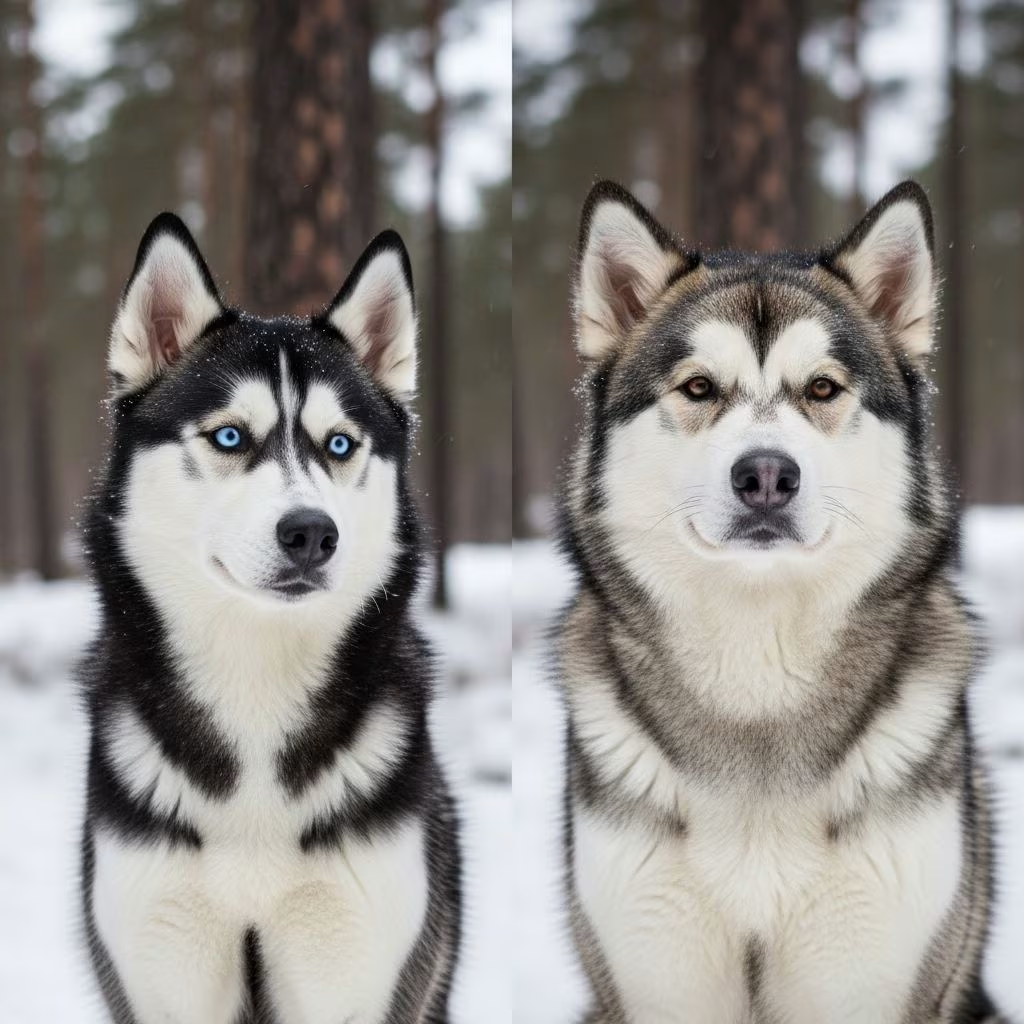
Siberian Husky vs Alaskan Malamute: Understanding the Differences
At first glance, Siberian Huskies and Alaskan Malamutes appear remarkably similar, leading many people to confuse the two breeds. Both are striking Arctic working dogs with thick double coats, wolf-like features, and a love for cold climates. However, despite their visual similarities, these two breeds have distinct characteristics that make them quite different in terms of size, temperament, exercise requirements, and health considerations. Understanding these differences is crucial for anyone considering adopting one of these magnificent dogs.
Breed History and Origins
While both breeds originated in Arctic regions, they have different historical backgrounds and purposes. The Siberian Husky was bred for speed in Northern Asia, originally developed by the Chukchi people for sledding over long distances in harsh environments. The Alaskan Malamute, on the other hand, is believed to be descended from the original wolf-dogs who accompanied the first travelers over the Bering Strait to North America. Malamutes were specifically designed to haul heavy loads, working as teams to move substantial sleds over long distances at a steady, powerful pace rather than speed.
Physical Appearance and Size
One of the most noticeable differences between these two breeds lies in their physical characteristics and size.
Height and Weight Differences
Siberian Huskies are notably smaller than Alaskan Malamutes. Huskies typically stand between 20 and 24 inches in height, with females weighing between 35 and 50 pounds and males weighing between 45 and 60 pounds. Alaskan Malamutes, while not much taller at 23 to 25 inches, are considerably bulkier and more muscular. Female Malamutes typically weigh around 75 pounds, while males average about 85 pounds or more, making them significantly heavier than their Husky counterparts.
Coat and Fur Characteristics
Both breeds possess thick, double coats designed to insulate them in cold climates, but there are notable differences. Malamutes tend to have longer, curlier hair that covers their legs more visibly, creating a fluffier appearance. Huskies have straighter hair with a smoother appearance, particularly on their legs where the fur layer is thinner. Both breeds shed their entire undercoat twice yearly in a process called “blowing the coat,” requiring frequent and dedicated brushing during these periods.
Facial Features and Eyes
The facial features of these breeds reveal distinct differences. Huskies are known for their striking and varied eye colors, including brilliant blue eyes, amber, or brown, and some may have one blue eye and one brown eye. Malamutes typically have brown eyes and fuller, more unmarked faces topped by distinctive heart-shaped “caps” on their heads. Many Huskies display facial markings resembling white masks with coloring around or over their eyes and down their noses, whereas Malamutes typically have less defined facial markings.
Body Structure
Malamutes have broad, furry chests and a more compact, powerful build designed for hauling heavy loads. Huskies have narrower torsos and noticeably longer legs relative to their body size, reflecting their breeding for speed and agility in sled racing.
Temperament and Personality
Both Siberian Huskies and Alaskan Malamutes are extremely friendly dogs, even toward strangers, which makes them poor choices as guard dogs. Both breeds are pack animals that are loving and loyal to their families. However, there are some temperament differences worth considering.
Friendliness with Humans
Alaskan Malamutes tend to be slightly more independent than Huskies but are generally very affectionate with their families. They appreciate human companionship but are comfortable spending some time alone. Siberian Huskies are pack-oriented and are happiest spending most of their time with their families, whether human or canine. They don’t particularly enjoy being alone for extended periods and thrive in social environments.
Interaction with Other Dogs
This is where a significant behavioral difference emerges. Siberian Huskies are generally more cordial and social with other canines, making them better suited for multi-dog households. Alaskan Malamutes can be reactive toward other dogs, particularly those of the same sex, and may display dominant behaviors. Malamutes often fare better as the only pet in a household, whereas Huskies typically enjoy canine companionship.
Exercise and Activity Requirements
Both breeds are working dogs with high energy levels and significant exercise needs. However, their preferred activities differ somewhat.
Siberian Huskies have a strong preference for running and can usually fulfill their exercise requirements by running around a large, securely fenced backyard. Their breeding for sled racing means they have exceptional stamina for distance running and enjoy vigorous cardiovascular activity.
Alaskan Malamutes prefer more varied activities such as swimming, hiking, and activities that allow them to carry a “pack” or perform pulling tasks. They need substantial physical and mental stimulation but may not require as much distance running as Huskies.
Both breeds require consistent, daily exercise and mental stimulation. Without adequate outlets for their energy, both can become bored and develop destructive behaviors such as excessive chewing, digging, and escape attempts. These are not apartment dogs and require active families committed to meeting their exercise needs.
Health and Lifespan
While both breeds can live long, healthy lives, they have different health profiles and lifespans.
Lifespan
Siberian Huskies typically live between 10 and 14 years, while Alaskan Malamutes generally have a slightly shorter lifespan of 10 to 12 years. This difference reflects their different genetic backgrounds and health predispositions.
Health Conditions
Siberian Huskies are generally robust and hardy dogs with fewer health issues compared to Malamutes. However, they are prone to cataracts, which require regular eye examinations to catch early, and hip dysplasia as they age.
Alaskan Malamutes are predisposed to a broader range of health conditions, including chondrodysplasia (a form of dwarfism), day blindness, elbow dysplasia, hip dysplasia, hypothyroidism, inherited polyneuropathy (nerve pain), thrombopathia (a platelet disorder), and von Willebrand’s disease (a bleeding disorder). The higher incidence of health issues in Malamutes means more frequent veterinary checkups and potentially higher healthcare costs are advisable.
Grooming and Shedding
Both breeds are heavy shedders and require significant grooming commitment. During their semi-annual “coat blowouts,” both Huskies and Malamutes shed their entire undercoat, a process that can last several weeks. Daily brushing during these periods is essential to manage loose hair and prevent matting. Even outside of these seasonal periods, weekly brushing is recommended to maintain coat health and manage regular shedding.
For potential owners concerned about hair in their homes, it’s important to understand that neither breed is a good fit for those unwilling to invest time in regular grooming and vacuuming.
Comparison Table
| Feature | Siberian Husky | Alaskan Malamute |
|---|---|---|
| Height | 20-24 inches | 23-25 inches |
| Weight (Female) | 35-50 pounds | 75 pounds |
| Weight (Male) | 45-60 pounds | 85+ pounds |
| Lifespan | 10-14 years | 10-12 years |
| Primary Purpose | Speed sledding | Heavy load hauling |
| Coat Type | Straighter, shorter | Curlier, longer |
| Eye Color | Varied (blue, amber, brown) | Typically brown |
| Good with Other Dogs | Yes | Can be reactive |
| Preferred Exercise | Long-distance running | Swimming, hiking, pulling tasks |
| Health Issues | Fewer overall | More predisposed conditions |
Choosing Between the Two Breeds
Selecting between a Siberian Husky and an Alaskan Malamute depends on your lifestyle, living situation, and what you’re looking for in a dog.
Choose a Siberian Husky if you:
- Live in a cold climate and have a large, securely fenced yard
- Have an active lifestyle with a love for running and outdoor activities
- Want a dog that enjoys canine companionship and gets along well with other dogs
- Prefer a dog with fewer health complications
- Are comfortable with a dog that requires constant human interaction and doesn’t do well when left alone
Choose an Alaskan Malamute if you:
- Want a larger, more powerful dog
- Have experience with independent dogs
- Prefer a dog that is more comfortable spending time alone
- Are willing to accept higher veterinary costs due to health predispositions
- Want a single-pet household or have already screened for dog-to-dog compatibility
- Enjoy activities like hiking and swimming rather than just running
Frequently Asked Questions
Q: Which breed is better for families with children?
A: Both breeds can be good with families and children when properly socialized. However, the Alaskan Malamute’s larger size and strength may require more supervision around small children. Siberian Huskies, while energetic and playful, have a higher prey drive that may be concerning with very small pets.
Q: Can Siberian Huskies and Alaskan Malamutes live in warm climates?
A: While both breeds prefer cold weather due to their thick double coats, they can adapt to warmer climates with proper care, including air conditioning, limited outdoor exposure during hot hours, and more frequent baths to manage their heavy shedding.
Q: How much does it cost to groom these breeds?
A: Professional grooming costs vary by location, but expect to pay $75-$150 per session. Many owners choose to groom these breeds at home, which saves money but requires proper tools and expertise. During coat blowout seasons, grooming frequency increases significantly.
Q: Are these breeds good for first-time dog owners?
A: Neither breed is ideal for first-time dog owners. Both require experienced owners who can handle their high energy levels, exercise demands, and specific behavioral traits. Training and socialization should begin early.
Q: How much exercise do these dogs really need?
A: Both breeds need at least two hours of vigorous exercise daily. This includes running, playing, and mental stimulation. Without adequate exercise, both breeds are prone to developing destructive behaviors.
Q: Which breed is easier to train?
A: Siberian Huskies are generally more responsive to training due to their pack-oriented nature and desire to please. Alaskan Malamutes can be more independent and stubborn, requiring a more assertive and experienced trainer.
References
- Siberian Huskies vs Alaskan Malamutes — Husky Haven of Florida. 2021-12-29. https://www.huskyhavenfl.org/hhofl-blog/2021/12/29/siberian-huskies-vs-alaskan-malamutes
- Malamute vs Husky: What’s the Difference? — Rover.com. https://www.rover.com/blog/husky-vs-malamute-whats-the-difference/
- 7 Differences Between the Siberian Husky And Alaskan Malamute — Pucci Cafe. https://puccicafe.com/7-differences-between-the-siberian-husky-and-alaskan-malamute/
- American Kennel Club Breed Standards — American Kennel Club. https://www.akc.org/



