

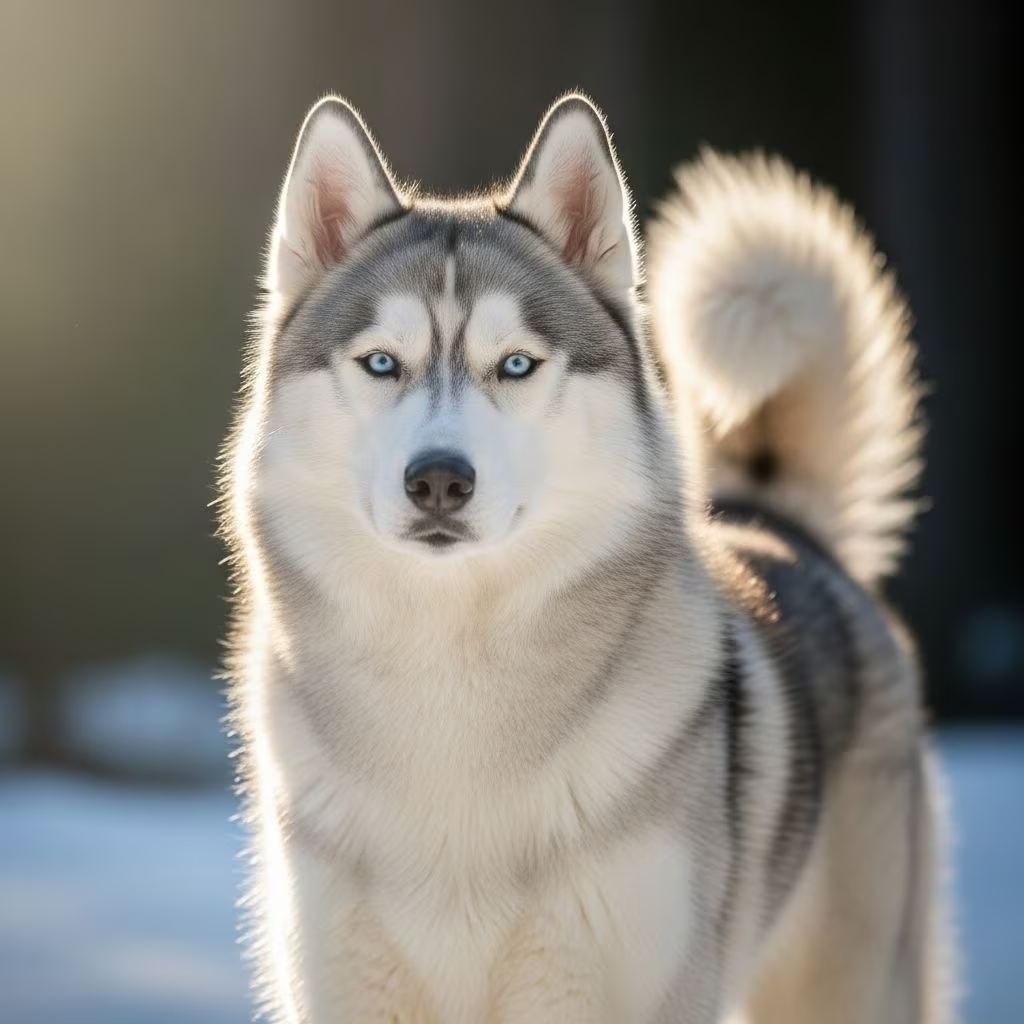
Siberian Huskies are known for their striking appearance, boundless energy, and loyal companionship. When welcoming one into your home, potential owners often wonder about the long-term commitment involved—specifically, how many years they can expect to share with their beloved pet. Understanding your Husky’s life expectancy involves examining genetics, lifestyle factors, and proactive health management. This comprehensive guide explores what determines how long Huskies live and how you can help your dog thrive throughout their life.
How Long Do Siberian Huskies Typically Live?
Siberian Huskies have a relatively favorable lifespan when compared to other large dog breeds. Most Siberian Huskies live between 12 to 14 years, though some may extend beyond this range with exceptional care and early detection of health issues. This lifespan compares favorably to other dogs of similar size, including Labrador Retrievers, Golden Retrievers, and German Shepherds.
The variance in individual lifespans reflects the influence of multiple factors. While genetics provides the foundation for longevity, the care an owner provides can significantly extend or shorten a Husky’s years. Dogs receiving consistent exercise, proper nutrition, and preventive veterinary care typically live toward the upper end of the spectrum.
Genetic Foundations and Inherited Conditions
Every Siberian Husky enters life with a genetic blueprint that influences their predisposition to certain health conditions. Understanding these inherited risks helps responsible breeders make informed breeding decisions and allows prospective owners to recognize early warning signs.
Purebred Huskies are susceptible to several genetic health conditions:
- Hip Dysplasia: An abnormal development of the hip joint that can lead to arthritis and reduced mobility
- Progressive Retinal Atrophy (PRA): A degenerative eye condition that can result in vision loss
- Cataracts: Clouding of the eye lens that may impair vision
- Hypothyroidism: Underactive thyroid function affecting metabolism and energy levels
- Zinc Deficiency: A metabolic disorder affecting skin and coat health
- Epilepsy: A neurological condition characterized by seizures
- Von Willebrand Disease: A blood clotting disorder
- Follicular Dysplasia: Hair growth abnormalities affecting coat quality
Selecting a Husky from a reputable breeder who conducts health screenings significantly reduces the risk of inheriting serious conditions. Responsible breeders test parent dogs for hip dysplasia, eye diseases, and other genetic markers before breeding.
Understanding the Senior Husky Years
Recognizing when your Husky transitions into senior status helps you adjust care accordingly. Most Huskies are considered senior dogs around 8 to 10 years of age. At this life stage, you may observe several changes in your dog’s behavior and physical capabilities.
Common signs of aging in Huskies include reduced activity levels, visible joint stiffness, slower recovery following exercise, and changes in sleep patterns. These observations signal that your dog’s body is experiencing normal age-related changes. Rather than viewing this as decline, it presents an opportunity to adapt your dog’s environment and routines for continued comfort and quality of life.
Senior Huskies benefit from modified exercise routines featuring shorter, gentler activities rather than intense physical exertion. Softer bedding reduces stress on aging joints, while more frequent veterinary visits enable early detection of emerging health problems. Your veterinarian may recommend joint supplements, prescription diets, or mobility aids such as dog wheelchairs for breeds as large as Huskies experiencing significant mobility challenges.
Age-Related Health Challenges in Huskies
As Siberian Huskies age, certain health conditions become increasingly prevalent. Understanding these conditions prepares owners to recognize symptoms early and seek appropriate veterinary interventions.
Joint and Mobility Issues
Hip dysplasia represents one of the most significant concerns for aging Huskies. This condition affects the hip joint structure and can develop during puppyhood but often manifests clinically in older dogs. While not directly life-threatening, untreated hip dysplasia can severely compromise quality of life by causing pain and reduced mobility. Arthritis frequently develops alongside hip dysplasia, compounding mobility challenges.
Multiple factors influence hip dysplasia development. Genetics account for the primary predisposition, but environmental and lifestyle factors play significant roles. Excessive exercise on hard surfaces during puppyhood, rapid growth rates, and obesity all increase hip dysplasia risk. This is particularly important given that Huskies were originally bred as working sled dogs with high activity drives.
Vision Changes
Progressive Retinal Atrophy and cataracts frequently affect senior Huskies. These conditions develop gradually, and early detection through regular ophthalmologic examination can help slow progression and maintain vision quality longer.
Metabolic and Endocrine Changes
Hypothyroidism becomes more common as Huskies age, affecting metabolism, energy levels, and coat quality. This condition is manageable with appropriate medication and monitoring. Zinc-responsive dermatosis can cause skin problems and fur loss if not properly managed with dietary supplementation or prescription diets.
Gender Differences in Lifespan
Many dog owners wonder whether male or female Huskies live longer. Research indicates no significant lifespan difference between genders when raised under similar conditions. Both male and female Huskies typically live 12 to 14 years on average. Individual health status, genetics, and owner care practices exert far greater influence on longevity than sex.
Spaying or neutering at appropriate ages can provide health benefits, including reduced risk of certain cancers, which may contribute to a slightly longer and healthier lifespan when performed under proper veterinary guidance.
Nutrition’s Role in Husky Longevity
Dietary choices profoundly impact a Husky’s health trajectory and lifespan. Obesity represents one of the most significant modifiable risk factors—excess weight can reduce a dog’s lifespan by up to two and a half years. Maintaining a healthy weight throughout your Husky’s life remains one of the most impactful care decisions an owner can make.
Feed your Husky a high-quality, balanced diet rich in animal-based proteins, healthy fats, and essential vitamins and minerals. Look for formulas specifically designed for active breeds during their adult years and transition to senior-formulated foods as your dog ages. Avoid products containing excessive fillers and artificial additives.
Portion control requires careful attention. Calculate appropriate calorie intake based on your Husky’s age, size, activity level, and current weight. Work closely with your veterinarian to establish appropriate portion sizes and adjust them as your dog ages and activity levels change. Senior Huskies typically require fewer calories than their younger counterparts but need nutrient-dense foods supporting joint health and cognitive function.
If your Husky has specific health conditions—such as zinc deficiency, joint problems, or hypothyroidism—your veterinarian may recommend prescription diets or targeted supplements. Always provide access to fresh water and monitor your dog’s weight regularly by scheduling periodic weigh-ins with your veterinary team.
Exercise and Mental Stimulation for Husky Wellness
Huskies were originally bred as working sled dogs, and this heritage shapes their physical and mental needs even in modern pet homes. The American Kennel Club rates Huskies as having “nonstop” playfulness and “high” energy levels. Meeting these needs through regular exercise contributes significantly to both quality of life and longevity.
Daily running opportunities aren’t merely preferences—they represent fundamental requirements for Husky welfare. Dogs that remain physically active maintain better cardiovascular health, healthier weight, and improved mental well-being. Importantly, gentle exercise can decrease arthritis symptoms and other mobility issues in aging Huskies. The longer your dog maintains mobility and physical function, the longer they can live a fulfilling life.
Adapt exercise intensity to your Husky’s age and health status. Young adult Huskies may benefit from high-intensity activities, while senior Huskies require gentler, shorter-duration exercise. Mental enrichment through puzzle toys, training sessions, and interactive play supports cognitive health and helps prevent behavioral problems.
Preventive Veterinary Care and Early Detection
Huskies receiving lots of exercise and mental stimulation, combined with routine veterinary visits and proper home care, enjoy longer and happier lives than those without such care. Preventive healthcare represents an investment in longevity.
Schedule annual wellness examinations for young and middle-aged Huskies. As your dog approaches senior status (around 8 years), increase examination frequency to twice annually. These visits allow your veterinarian to conduct physical examinations, run relevant blood work, and identify emerging health issues before they become serious.
Regular screenings for common Husky health conditions enable early intervention. Addressing hypothyroidism with medication, managing hip dysplasia with weight management and supplements, and monitoring vision changes can all slow disease progression and maintain quality of life.
Creating the Optimal Environment for Your Aging Husky
Beyond diet and exercise, environmental modifications support senior Husky wellness. Provide orthopedic bedding that cushions aging joints. Maintain comfortable indoor temperatures—Huskies have thick coats designed for cold climates, so excessive heat can cause stress. Ensure easy access to water and food bowls without requiring excessive jumping or climbing stairs.
Consider your home layout for an aging dog. Place food, water, and sleeping areas on one level if possible. Use ramps or steps to help dogs reach favorite spots. Keep walking paths clear of obstacles that might cause trips or falls.
Frequently Asked Questions About Husky Lifespan
What is the oldest age a Husky can live?
While the average lifespan is 12 to 14 years, some Huskies live into their mid-to-late teens with exceptional genetics, outstanding care, and luck. Individual cases vary considerably based on health status and lifestyle factors.
Can diet type affect how long Huskies live?
While the specific type of diet (dry, wet, raw, or homemade) may not directly determine lifespan, the overall nutritional quality and appropriate portions directly impact longevity. Obesity, regardless of diet type, significantly shortens lifespan. Consulting your veterinarian about optimal nutrition for your individual Husky ensures appropriate dietary choices.
How can I tell if my Husky is experiencing pain from joint problems?
Signs of joint discomfort include limping, reluctance to climb stairs, difficulty rising after rest, reduced activity levels, and behavioral changes like increased irritability. Contact your veterinarian if you observe these signs.
Are there supplements that can extend a Husky’s lifespan?
While supplements cannot extend lifespan directly, products supporting joint health (glucosamine, chondroitin), cognitive function (omega-3 fatty acids), and overall wellness may improve quality of life in aging Huskies. Always consult your veterinarian before introducing supplements.
Do Huskies require different exercise as they age?
Yes. Senior Huskies benefit from shorter, gentler activities replacing intense exercise. Swimming and walking on soft surfaces reduce joint stress while maintaining mobility and cardiovascular health.
Conclusion: Maximizing Your Husky’s Years Together
Siberian Huskies typically enjoy lifespans of 12 to 14 years, though individual dogs vary considerably. While genetics provide the foundation, owner choices regarding nutrition, exercise, preventive healthcare, and environmental support significantly influence how long your Husky lives and the quality of life they experience. By understanding common health challenges, maintaining healthy weight, providing appropriate exercise, and partnering with your veterinarian for proactive care, you maximize the precious years with your beloved companion. Your Husky’s lifespan isn’t predetermined—your dedication to their well-being directly shapes their future.
References
- Husky Lifespan: How Long Do Huskies Live? (Life Expectancy) — Walk In Pets. 2024. https://walkinpets.com/blogs/blog/husky-lifespan
- Husky Lifespan: 8 Tips to Help Huskies Live Longer — PetLab Co. 2024. https://thepetlabco.com/learn/dog/health-wellness/husky-lifespan
- Siberian Husky Dog Breed Information — NutriCanine. 2024. https://nutricanine.ca/pages/siberian-husky-dog-breed
- Husky Life Expectancy and Health Problems — Pet Releaf. 2024. https://petreleaf.com/blogs/blog/husky-life-expectancy-and-health-problems
- The Husky Life Expectancy, Common Health Concerns, and Care — Native Pet. 2024. https://nativepet.com/blogs/health/husky-life-expectancy
- Siberian Husky Dog Breed Health and Care — PetMD. 2024. https://www.petmd.com/dog/breeds/siberian-husky



